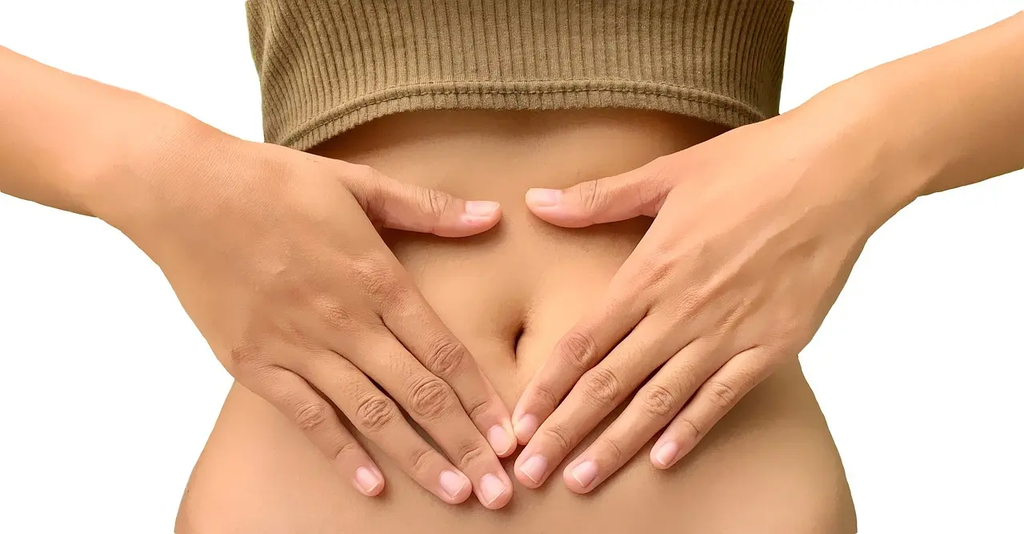
Gut health plays a crucial role in the body’s healing processes. A balanced gut microbiome supports digestion, nutrient absorption, and immune function, all of which are essential for recovery and overall well-being. When the gut is healthy, it helps reduce inflammation, enhances the body’s ability to repair tissues, and protects against infections. Therefore, maintaining gut health can significantly influence the speed and effectiveness of healing.
The Role of Gut Health in Healing
Gut health plays a crucial role in the body’s healing processes. A balanced gut microbiome supports digestion, nutrient absorption, and immune function, all of which are essential for recovery and overall well-being. When the gut is healthy, it helps reduce inflammation, enhances the body’s ability to repair tissues, and protects against infections. Therefore, maintaining gut health can significantly influence the speed and effectiveness of healing.
💡 Key Takeaways
- Understand how gut health influences healing, recovery, and immune function.
- Identify key gut health factors: microbiome balance, gut barrier integrity, and inflammation.
- Learn practical strategies to support gut health during healing, such as fiber-rich foods, fermented foods, hydration, and stress management.
- Recognize how gut health can affect medication absorption and symptom management.
❓ Frequently Asked Questions
What is gut health?
Gut health refers to the balance and function of your digestive system, including the gut microbiome, the gut lining, and digestion. A healthy gut efficiently digests food, absorbs nutrients, and protects against unwanted microbes.
How does gut health affect healing and recovery?
A healthy gut supports nutrient absorption and a balanced immune response, which helps the body repair tissues and recover from illness or injury. An imbalanced gut can contribute to inflammation and slower healing.
What dietary choices support a healthy gut?
Fiber-rich foods (fruits, vegetables, whole grains), fermented foods with probiotics (yogurt, kefir, sauerkraut), and a diverse plant-based diet promote microbiome diversity. Limit highly processed foods and added sugars.
When should I seek medical advice about gut health?
See a healthcare professional if you have persistent digestive symptoms (pain, significant changes in bowel habits, blood in stool, or unexplained weight loss) or if concerns about your healing persist.