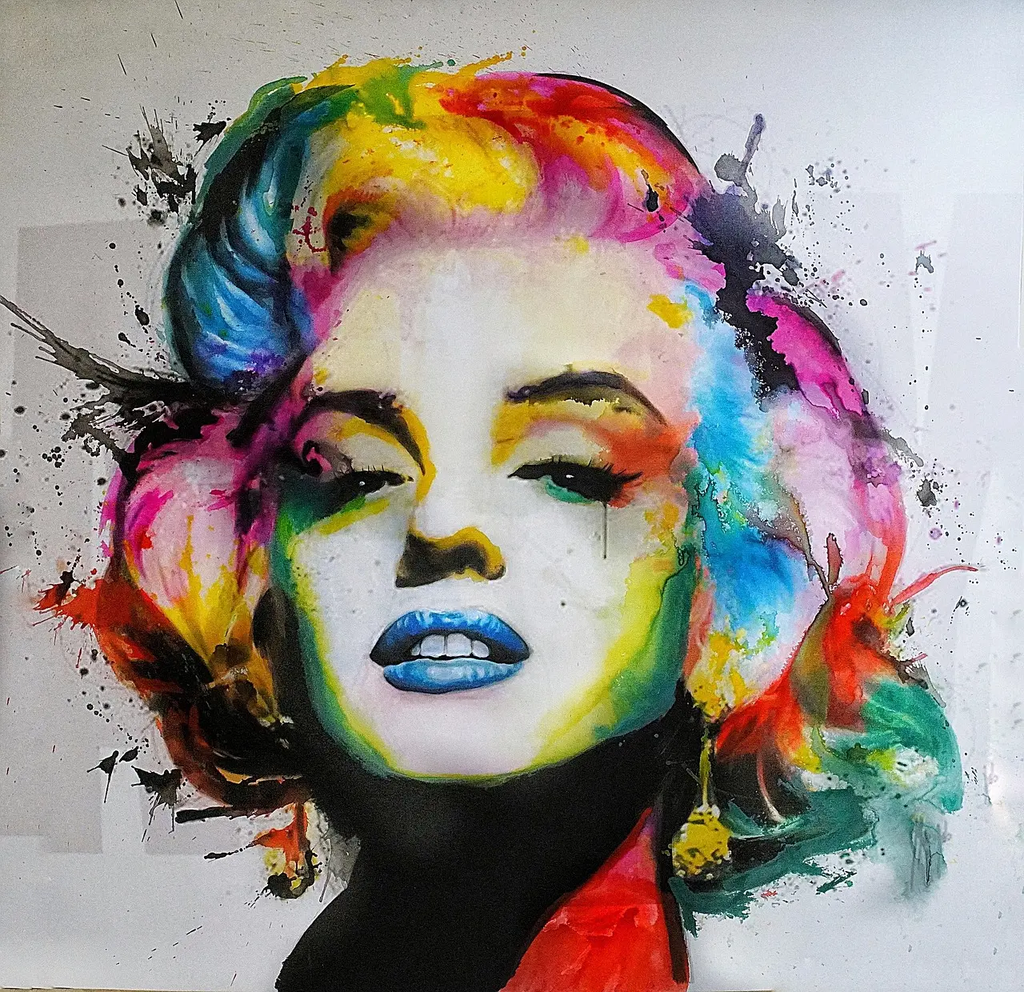
The role of music in artificial intelligence encompasses the use of AI technologies to compose, analyze, and interpret music, enhancing creativity and efficiency in the music industry. AI can generate new melodies, imitate iconic artists, and personalize listening experiences. Additionally, music icons serve as inspiration for AI-driven music systems, bridging human artistry with machine learning to expand possibilities in musical creation, curation, and cultural impact.
The Role of Music in Artificial Intelligence
The role of music in artificial intelligence encompasses the use of AI technologies to compose, analyze, and interpret music, enhancing creativity and efficiency in the music industry. AI can generate new melodies, imitate iconic artists, and personalize listening experiences. Additionally, music icons serve as inspiration for AI-driven music systems, bridging human artistry with machine learning to expand possibilities in musical creation, curation, and cultural impact.

💡 Key Takeaways
- Understand how AI analyzes musical features like rhythm, harmony, and timbre to interpret and generate music.
- Explore how AI models are used to create original music and assist with sound design and composition.
- Discover how AI powers music recommendation, tagging, and personalized playlists.
- Discuss ethical and creative considerations around AI-generated music, including originality and copyright.
❓ Frequently Asked Questions
What is Music Information Retrieval (MIR) in AI?
A field that analyzes musical audio to extract features like tempo, key, chords, rhythm, and genre, enabling tasks such as classification and search.
How can AI compose or generate music?
AI models learn patterns from large music datasets and output new melodies, harmonies, and rhythms, often mimicking styles of specific genres or composers.
What musical features do AI systems commonly analyze?
Beat, tempo, pitch, melody, timbre, harmony, and structure are typical targets for recognition and generation.
What ethical considerations surround AI-generated music?
Copyright and ownership, attribution, potential impact on musicians, and the need for clear licensing and transparency.