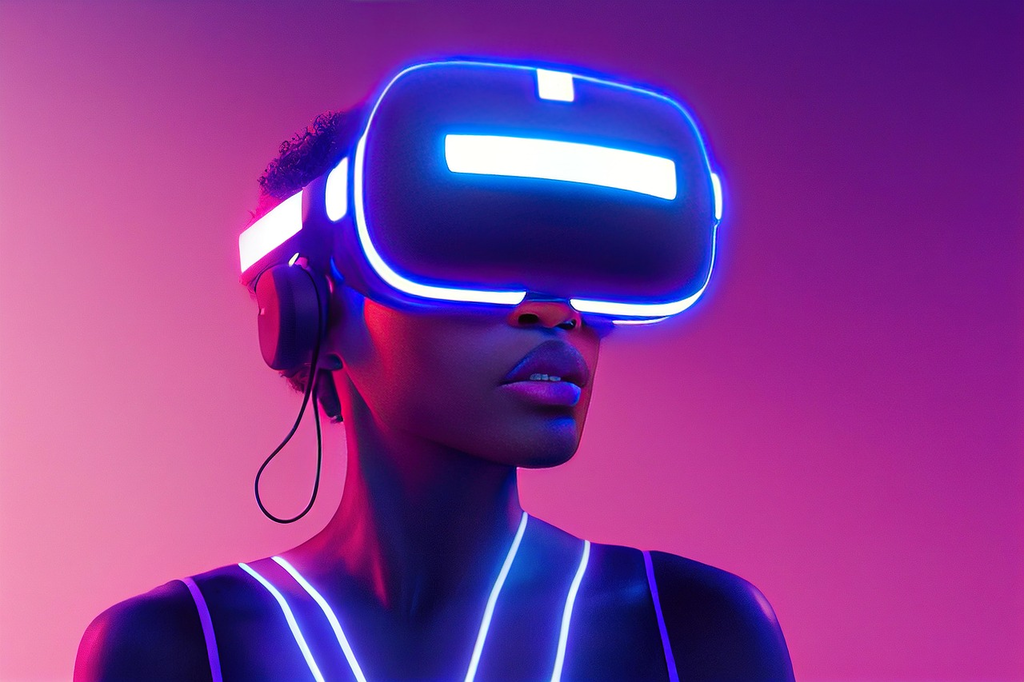
The role of music in transhumanism explores how sound and musical expression intersect with evolving human identity and technology. Music serves as both a medium for emotional connection and a tool for cognitive enhancement, reflecting the aspirations of transhumanism to transcend human limitations. Icons in music, through their innovation and influence, often embody transhumanist ideals, pushing boundaries of creativity, merging technology with artistry, and inspiring visions of a post-human future.
The Role of Music in Transhumanism
The role of music in transhumanism explores how sound and musical expression intersect with evolving human identity and technology. Music serves as both a medium for emotional connection and a tool for cognitive enhancement, reflecting the aspirations of transhumanism to transcend human limitations. Icons in music, through their innovation and influence, often embody transhumanist ideals, pushing boundaries of creativity, merging technology with artistry, and inspiring visions of a post-human future.

💡 Key Takeaways
- Understand how music interfaces with brain–computer tech to support cognitive and emotional enhancement.
- Explore AI-generated and augmented music and their potential in transhuman experiences.
- Consider ethical, social, and cultural implications of music-driven enhancements.
- Identify real-world applications of music tech for therapy, learning, and augmentation.
❓ Frequently Asked Questions
What is transhumanism in simple terms?
Transhumanism is a movement that seeks to use technology to enhance human capabilities beyond natural limits, including cognition, health, and longevity.
How can music play a role in transhumanist ideas?
Tech-enabled music—through AI, brain-computer interfaces, neurostimulation, and augmented hearing—expands how we create, experience, and treat music.
What is a brain-computer interface (BCI) and how could it affect music?
A BCI translates neural signals into actions or sounds, potentially allowing music creation or performance to be controlled by thoughts or tailored to brain states.
What ethical considerations arise at the intersection of music and transhumanism?
Issues include access and equity, privacy of neural data, authenticity of artistic expression, and dependency on technology.