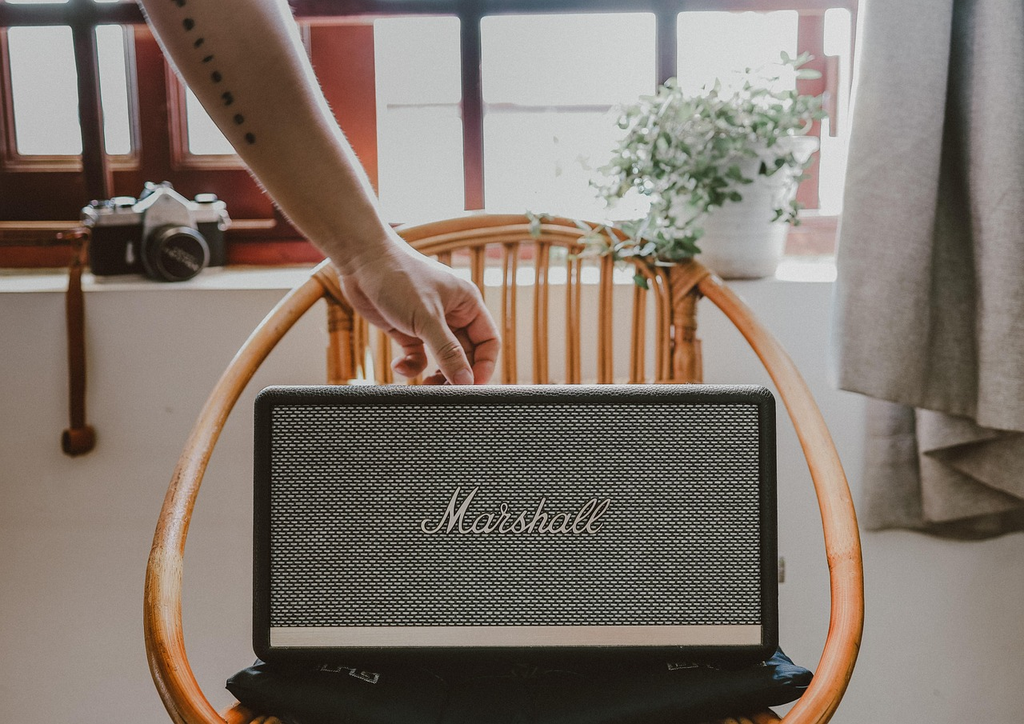
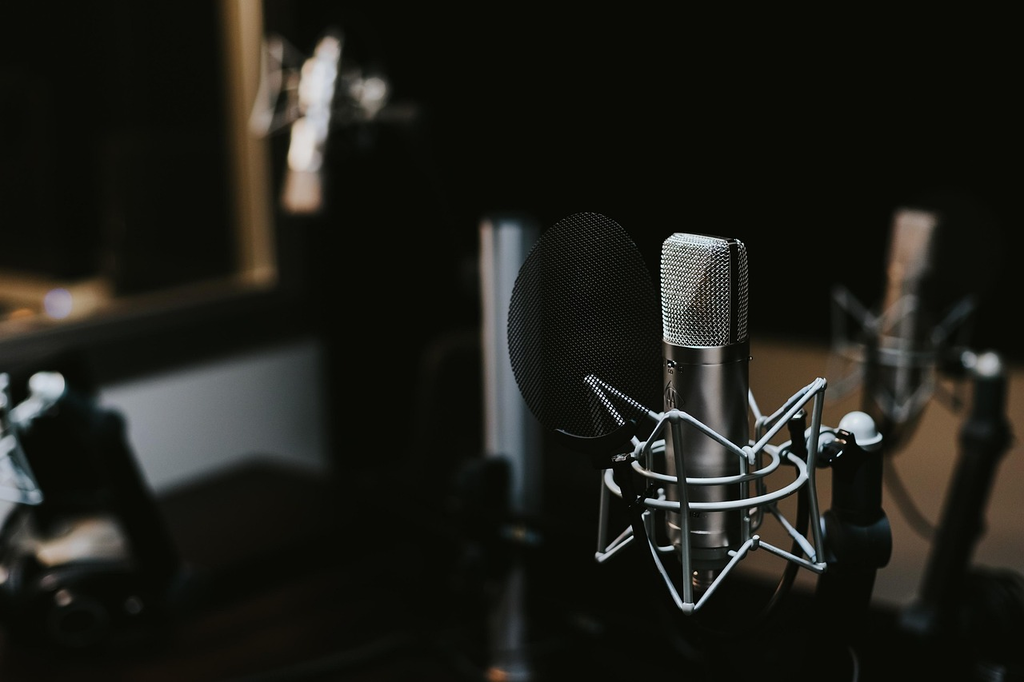
Music plays a pivotal role in urban development by shaping city identities, fostering cultural diversity, and attracting tourism. Iconic musicians and music venues often become symbols of cities, influencing their global reputation. Music-driven events stimulate local economies, create job opportunities, and encourage community engagement. Additionally, music contributes to social cohesion, revitalizes public spaces, and inspires creative industries, making it an essential element in the growth and vibrancy of urban environments.
The Role of Music in Urban Development
Music plays a pivotal role in urban development by shaping city identities, fostering cultural diversity, and attracting tourism. Iconic musicians and music venues often become symbols of cities, influencing their global reputation. Music-driven events stimulate local economies, create job opportunities, and encourage community engagement. Additionally, music contributes to social cohesion, revitalizes public spaces, and inspires creative industries, making it an essential element in the growth and vibrancy of urban environments.
💡 Key Takeaways
- Understand how music shapes urban identity and place-making in cities.
- Learn how local music scenes contribute to economic growth, jobs, and tourism.
- Explore urban planning and policy approaches to integrating music in public spaces and cultural districts.
- Consider social inclusion, access to music education, and diverse programming in urban development.
❓ Frequently Asked Questions
What does the role of music in urban development mean?
It refers to how music activities, venues, and industries influence a city’s economy, culture, social life, and spatial planning.
How can music contribute to economic development in cities?
Music draws visitors, supports venues and jobs, and helps create cultural districts that attract investment.
In what ways does music affect urban spaces and communities?
Live performances and public music use activate streets and parks, encourage social interaction, and strengthen neighborhood identity.
What policies support using music for urban development?
Zoning that protects venues, funding for arts and music education, support for festivals, and investment in rehearsal and performance spaces.