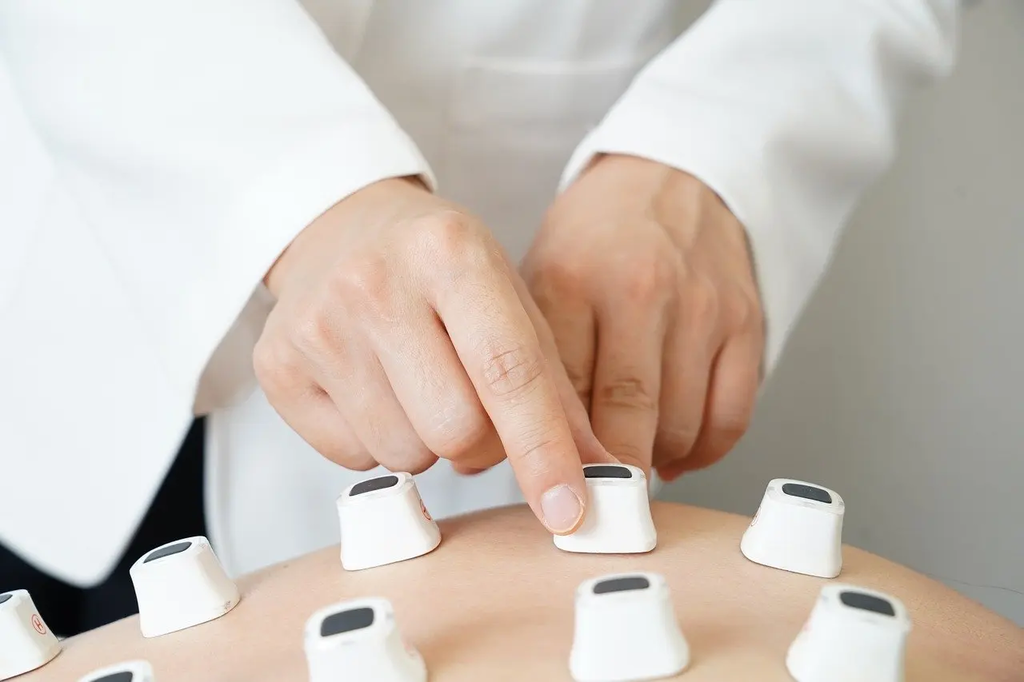
The science of detoxification (healing) explores how the body naturally removes toxins and waste products to maintain optimal health. It involves understanding the roles of organs like the liver, kidneys, and skin in filtering and eliminating harmful substances. Scientific detoxification emphasizes balanced nutrition, hydration, and lifestyle choices that support these processes, rather than relying on extreme or unproven methods. Effective detoxification promotes healing by enhancing the body’s innate ability to restore and maintain internal balance.
The Science of Detoxification
The science of detoxification (healing) explores how the body naturally removes toxins and waste products to maintain optimal health. It involves understanding the roles of organs like the liver, kidneys, and skin in filtering and eliminating harmful substances. Scientific detoxification emphasizes balanced nutrition, hydration, and lifestyle choices that support these processes, rather than relying on extreme or unproven methods. Effective detoxification promotes healing by enhancing the body’s innate ability to restore and maintain internal balance.
💡 Key Takeaways
- Define detoxification as the body's process of removing or neutralizing harmful substances.
- Identify key detox organs (liver, kidneys, lungs, skin, and gut) and describe their roles in detoxification.
- Explain the main steps of detoxification (metabolism, conjugation, and elimination) in simple terms.
- Differentiate evidence-based information from common detox myths (diet plans, cleanses, and supplements) and understand what has scientific support.
❓ Frequently Asked Questions
What does detoxification mean in biology?
In biology, detoxification refers to the body's processes for converting toxins into less harmful, more easily excreted forms, mainly by the liver and kidneys.
Which organs are primarily involved in detoxification?
The liver and kidneys are the main organs, with support from the intestines, lungs, skin, and immune system.
What are Phase I and Phase II detoxification?
Phase I uses enzymes to modify toxins (sometimes creating reactive intermediates). Phase II attaches water-soluble groups (like glucuronide, sulfate, or glutathione) to enable excretion.
Do detox diets or cleanses remove toxins from the body?
Most toxins are eliminated by natural body processes. A balanced diet and adequate hydration support health; drastic detox diets are not proven and may be unsafe.