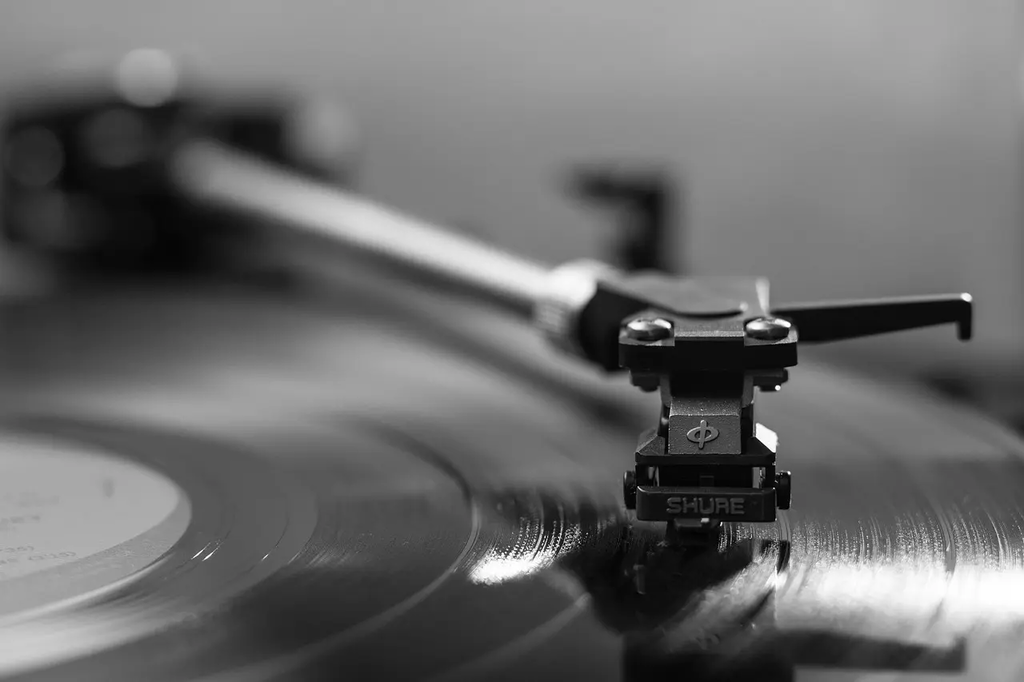
The science of synesthesia explores a fascinating neurological phenomenon where stimulation of one sense involuntarily triggers another, such as seeing colors when hearing music or associating numbers with specific hues. Researchers have discovered that synesthetes experience these cross-sensory connections consistently and automatically. While once considered rare and mysterious, synesthesia is now recognized as a genuine perceptual variation, offering unique insights into how the brain processes and integrates sensory information.
The Science of Synesthesia
The science of synesthesia explores a fascinating neurological phenomenon where stimulation of one sense involuntarily triggers another, such as seeing colors when hearing music or associating numbers with specific hues. Researchers have discovered that synesthetes experience these cross-sensory connections consistently and automatically. While once considered rare and mysterious, synesthesia is now recognized as a genuine perceptual variation, offering unique insights into how the brain processes and integrates sensory information.
💡 Key Takeaways
- Understand what synesthesia is and how sensory experiences can involuntarily blend.
- Learn common synesthesia types (e.g., grapheme-color, sound-color) and how they differ between people.
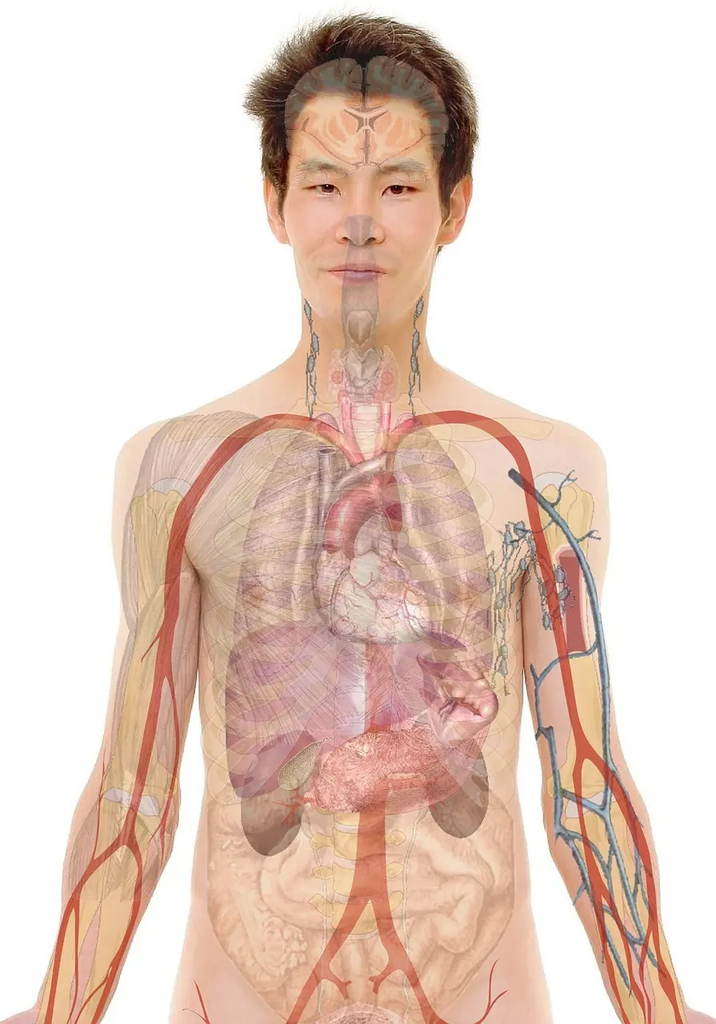
- Explore the brain mechanisms and research methodologies used to study synesthesia.
- Discover how synesthesia can influence perception, memory, and creativity.
❓ Frequently Asked Questions
What is synesthesia?
A perceptual phenomenon where stimulation of one sense involuntarily triggers experiences in a second sense, such as seeing colors when hearing sounds.
What are some common forms of synesthesia?
Grapheme-color (letters/numbers evoke colors), sound-color (sounds evoke colors), and number-form (numbers map to spatial patterns) are among the most common forms.
Is synesthesia a disorder?
No—it's a benign perceptual variation that is automatic and consistent, not typically impairing daily life.
How do scientists study synesthesia?
Researchers test the stability of associations over time and use brain imaging to explore cross-activation between sensory regions and potential genetic factors.