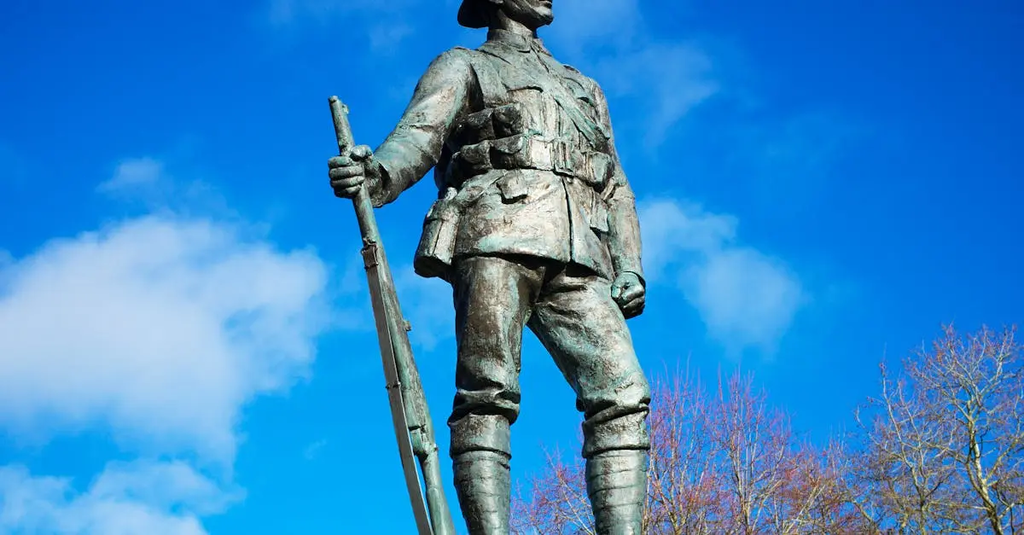
The Scramble for Africa refers to the rapid colonization and division of African territory by European powers during the late 19th and early 20th centuries. British involvement was significant, as Britain sought to expand its empire for economic gain, strategic advantage, and national prestige. The British established control over vast regions, including Egypt, Sudan, South Africa, and Nigeria, often disregarding indigenous societies and leading to long-lasting political, social, and economic consequences for the continent.
The Scramble for Africa and British involvement
The Scramble for Africa refers to the rapid colonization and division of African territory by European powers during the late 19th and early 20th centuries. British involvement was significant, as Britain sought to expand its empire for economic gain, strategic advantage, and national prestige. The British established control over vast regions, including Egypt, Sudan, South Africa, and Nigeria, often disregarding indigenous societies and leading to long-lasting political, social, and economic consequences for the continent.

💡 Key Takeaways
- Understand what the Scramble for Africa was, when it happened (late 19th to early 20th centuries), and the role of events like the Berlin Conference in dividing the continent.
- Explain British motivations for expansion—economic gains, strategic control of trade routes and resources, and national prestige—and the main methods used (colonies, protectorates, and treaties).
- Identify major British territories and routes established during the scramble (Egypt, Sudan, Nigeria, East and Southern Africa) and key strategic links like the Suez Canal and the Cape-to-Cairo idea.
- Assess the consequences, including the drawing of borders, local resistance, and the lasting political, social, and economic legacies of colonial rule.
❓ Frequently Asked Questions
What is the Scramble for Africa?
A late 19th–early 20th-century rush by European powers to claim and divide African territories, creating colonies.
Why did Britain participate in the Scramble for Africa?
To gain economic resources, strategic advantages, and national prestige for the British Empire.
What was the role of the Berlin Conference in Africa's colonization?
It established rules for how powers could claim land and helped formalize the division of Africa among European states.
Which British territories in Africa were influenced or established during this period?
Egypt, Sudan, the Gold Coast (now Ghana), Nigeria, Kenya, Uganda, and South Africa (among others).