"The seafood story: chowders, boils, and bakes" celebrates the rich culinary tradition of seafood dishes. Chowders are hearty, creamy soups filled with fish or shellfish. Boils refer to communal feasts where seafood is cooked with spices, corn, and potatoes in large pots. Bakes involve roasting seafood with herbs and vegetables, often in the oven. Together, these methods highlight diverse flavors and regional customs in seafood cuisine.
The seafood story: chowders, boils, and bakes
"The seafood story: chowders, boils, and bakes" celebrates the rich culinary tradition of seafood dishes. Chowders are hearty, creamy soups filled with fish or shellfish. Boils refer to communal feasts where seafood is cooked with spices, corn, and potatoes in large pots. Bakes involve roasting seafood with herbs and vegetables, often in the oven. Together, these methods highlight diverse flavors and regional customs in seafood cuisine.
💡 Key Takeaways
- Identify and compare the three seafood cooking traditions—chowders, boils, and bakes—and their defining characteristics.
- Describe how chowders achieve a hearty, creamy texture with seafood, stock or dairy, and common ingredients like potatoes and onions.
- Explain the communal boil format, where seafood is cooked with spices, corn, and potatoes in large pots, and the social value of these gatherings.
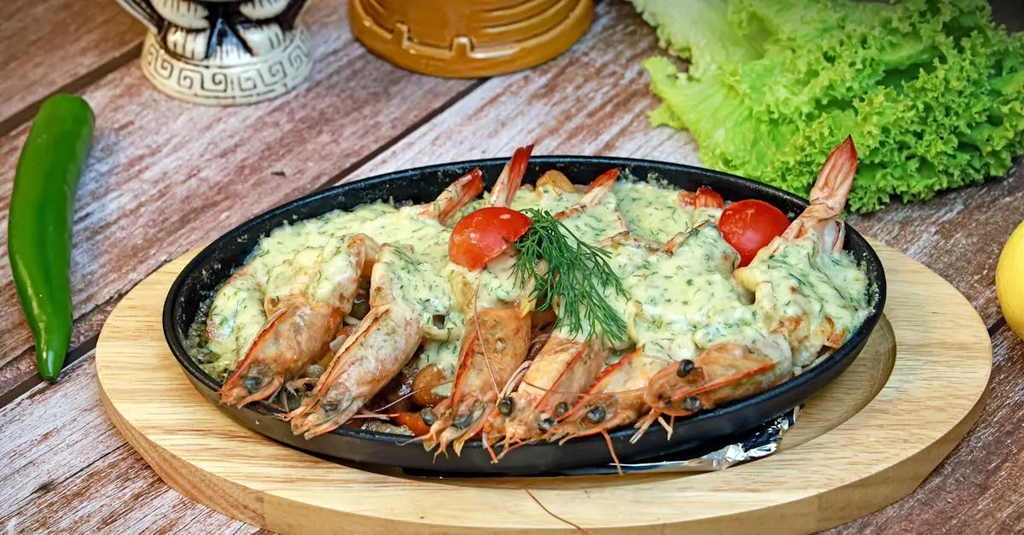
- Understand how baking (roasting) seafood develops flavor through dry-heat roasting and seasonings, and how this method fits into the broader seafood story.
❓ Frequently Asked Questions
What is chowder and how is it typically prepared?
A hearty seafood soup that’s usually thickened with potatoes and dairy. New England chowder is creamy, while Manhattan chowder is tomato-based, with chunks of fish or shellfish.
What is a seafood boil and why is it a communal event?
A large-pot cooking method where seafood is boiled with corn, potatoes, and spices; served family‑style at gatherings, common in coastal and Cajun/Creole traditions.
What does baking seafood involve?
Roasting seafood in the oven with seasonings, often including butter, herbs, and breadcrumbs for a browned, flavorful dish.
How do chowders, boils, and bakes reflect American culinary history?
They mirror regional flavors and immigrant influences: chowders in the Northeast with dairy-rich traditions, boils in Cajun/Southern communities, and bakes drawing on European roasting techniques adapted to seafood.
What common ingredients appear across these seafood dishes?
Seafood (fish, clams, shrimp), potatoes and corn (especially in boils), onions, and dairy or butter, plus herbs and spices for flavor.