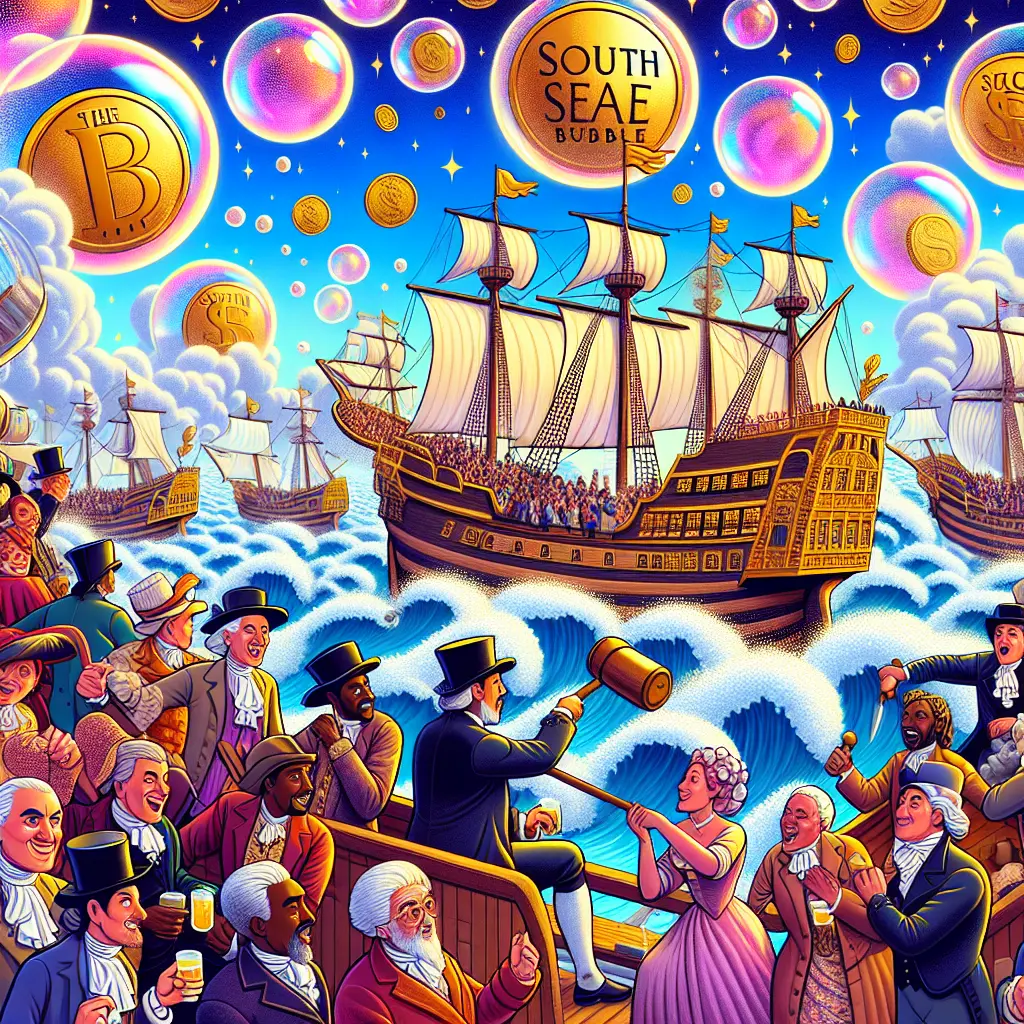
The South Sea Bubble refers to a financial crisis in early 18th-century Britain, centered around the South Sea Company. Founded in 1711, the company was granted a monopoly on trade with South America. Speculation drove its stock prices to unsustainable heights, fueled by exaggerated claims of profit. In 1720, the bubble burst, causing widespread financial ruin among investors and damaging public trust in the government and financial markets.
The South Sea Bubble
The South Sea Bubble refers to a financial crisis in early 18th-century Britain, centered around the South Sea Company. Founded in 1711, the company was granted a monopoly on trade with South America. Speculation drove its stock prices to unsustainable heights, fueled by exaggerated claims of profit. In 1720, the bubble burst, causing widespread financial ruin among investors and damaging public trust in the government and financial markets.
💡 Key Takeaways
- Explain how the 1711 debt swap gave the South Sea Company a monopoly on South American trade.
- Explore how speculation and hype pushed share prices to unsustainable levels.
- Identify the consequences of the 1720 crash, including investor losses and shaken confidence in markets.
- Understand the South Sea Bubble's place in British economic history and the early regulatory responses that followed.
❓ Frequently Asked Questions
What was the South Sea Bubble?
A British financial crisis in 1720 centered on the South Sea Company, whose stock soared due to speculation of huge profits from a South American trade monopoly and from converting government debt into company shares.
What did the South Sea Company promise or claim to do?
Founded in 1711, it held a monopoly on trade with the South Seas and arranged to take government debt in exchange for shares, while promoting expectations of vast profits—claims that largely outpaced real earnings.
Why did the bubble burst?
Speculation inflated stock prices beyond the company's actual profits. When reality fell short, investors sold off, causing a drastic crash and widespread losses.
What were the consequences or lessons from the South Sea Bubble?
It damaged public trust, caused financial ruin for many investors, and led regulatory changes like the Bubble Act to curb speculative schemes, highlighting the dangers of asset bubbles and poor oversight.