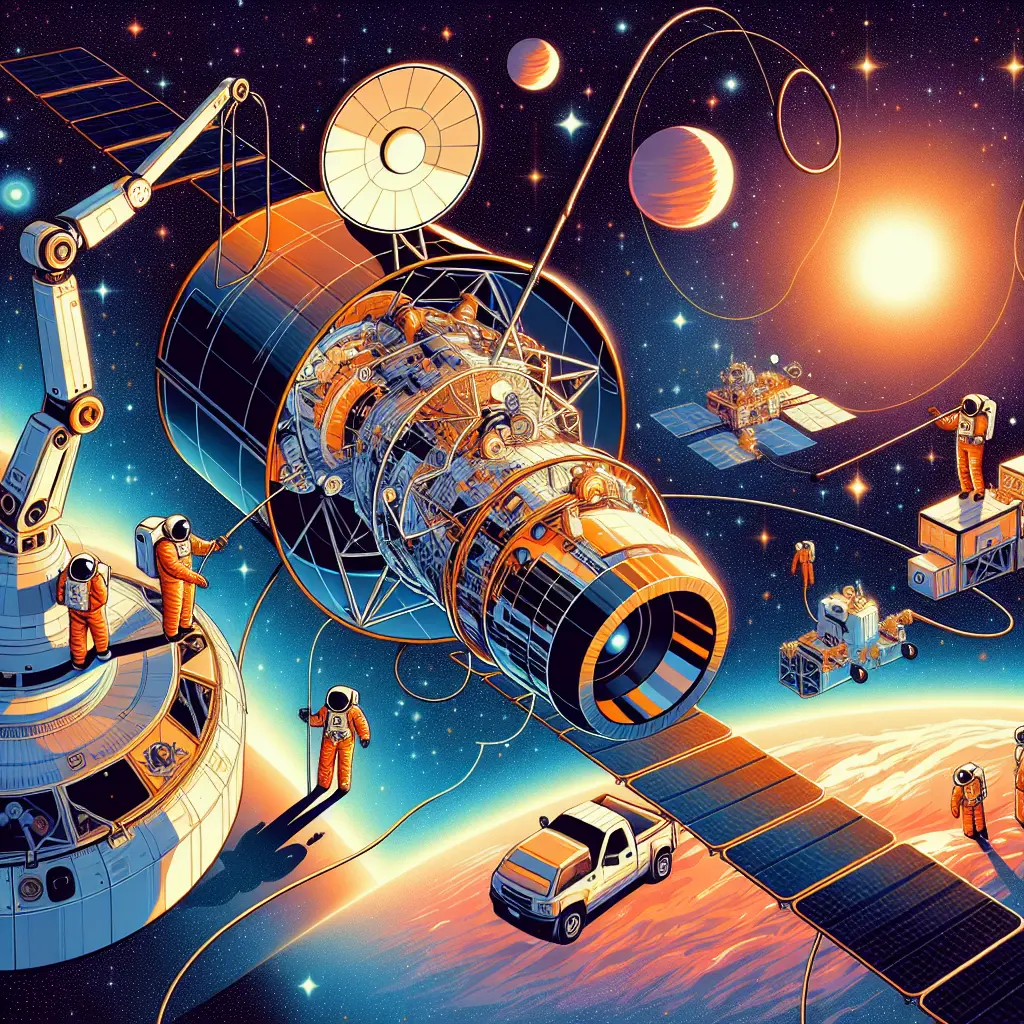
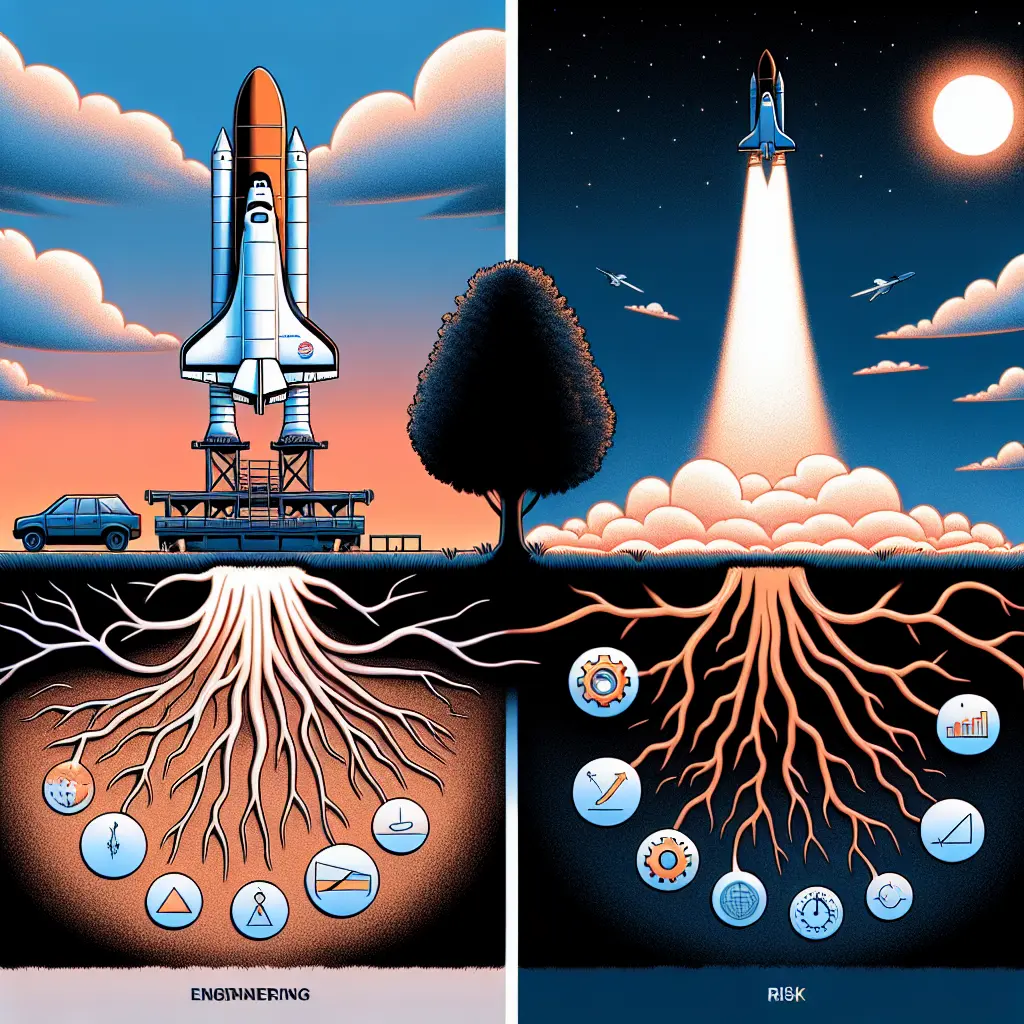
The Space Shuttle Program, initiated by NASA in 1981, marked a major leap in reusable spacecraft technology, enabling regular missions to space, satellite deployment, and International Space Station construction. It showcased remarkable achievements in scientific research and international cooperation. However, the program also faced devastating setbacks with the Challenger and Columbia disasters, highlighting the inherent risks of human spaceflight. Ultimately, the program’s legacy is a blend of groundbreaking successes and sobering tragedies.
The Space Shuttle Program: Triumphs and Tragedies
The Space Shuttle Program, initiated by NASA in 1981, marked a major leap in reusable spacecraft technology, enabling regular missions to space, satellite deployment, and International Space Station construction. It showcased remarkable achievements in scientific research and international cooperation. However, the program also faced devastating setbacks with the Challenger and Columbia disasters, highlighting the inherent risks of human spaceflight. Ultimately, the program’s legacy is a blend of groundbreaking successes and sobering tragedies.
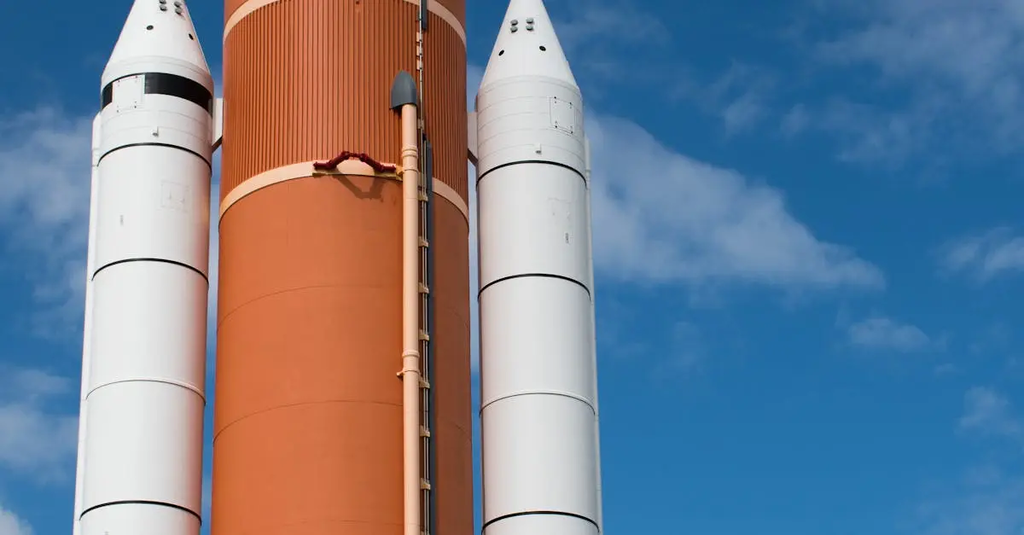
💡 Key Takeaways
- Understand how the Space Shuttle's reusable design enabled more frequent missions, satellite deployment, and ISS construction.
- Identify major milestones and contributions—satellite deployments, Hubble servicing, and ISS assembly.
- Explore how the program fostered international collaboration and global partnerships in space exploration.
- Learn about the Challenger and Columbia tragedies and the safety reforms that followed.
❓ Frequently Asked Questions
What was the Space Shuttle Program and when did it begin?
NASA's Space Shuttle Program used reusable spacecraft to carry astronauts, deploy satellites, and help build the International Space Station, beginning in 1981.
What are some major achievements of the Space Shuttle era?
It enabled regular satellite deployments and servicing (including the Hubble Space Telescope), construction and maintenance of the ISS, advances in microgravity science, and extensive international collaboration.
What were the two major tragedies of the Space Shuttle program?
The Challenger disaster in 1986 due to an O-ring failure and the Columbia disaster in 2003 caused by debris damage to the thermal protection system during launch and re-entry, both resulting in loss of crew and fleet grounding.
Why was the Space Shuttle Program retired, and what came after?
It ended in 2011 due to safety concerns, rising costs, and aging hardware. NASA shifted to commercial crew partners (e.g., SpaceX and Boeing) for crew transport and relied on other vehicles for cargo while continuing ISS operations.