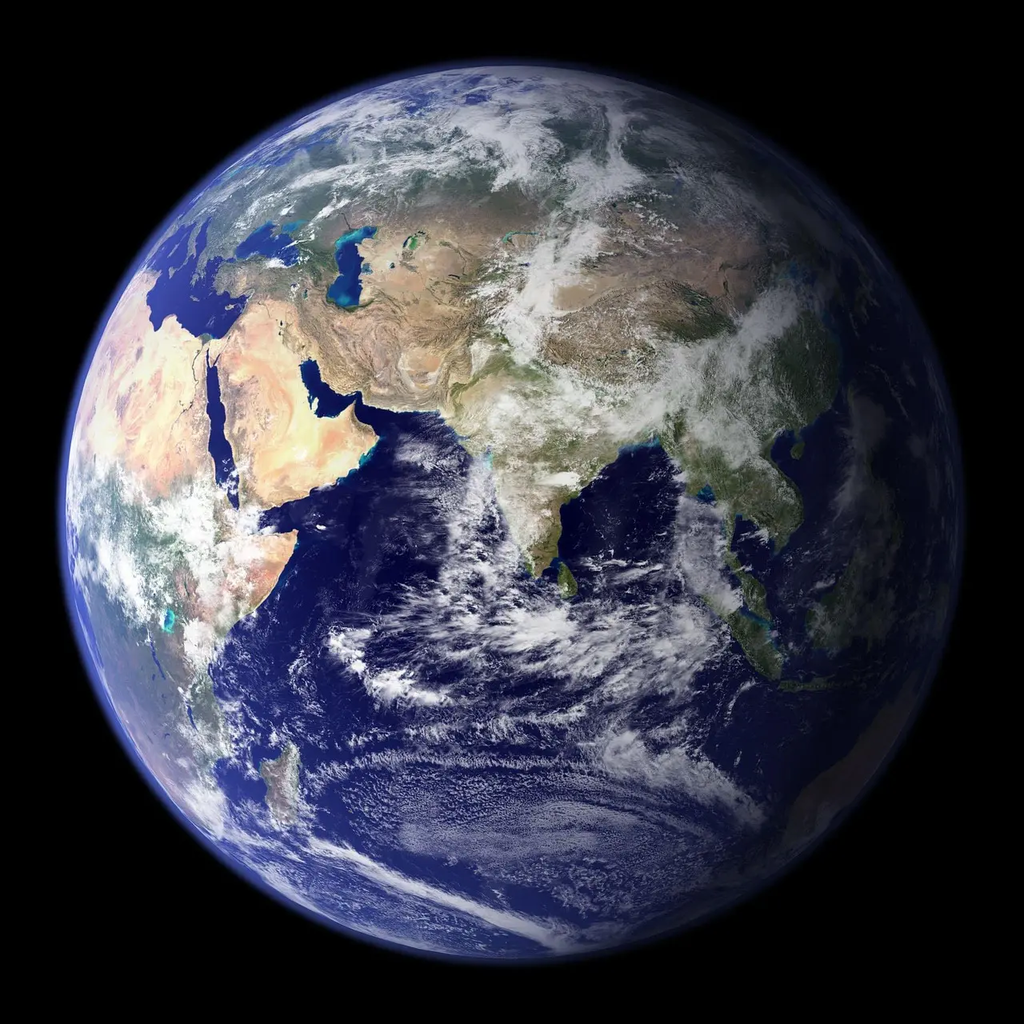
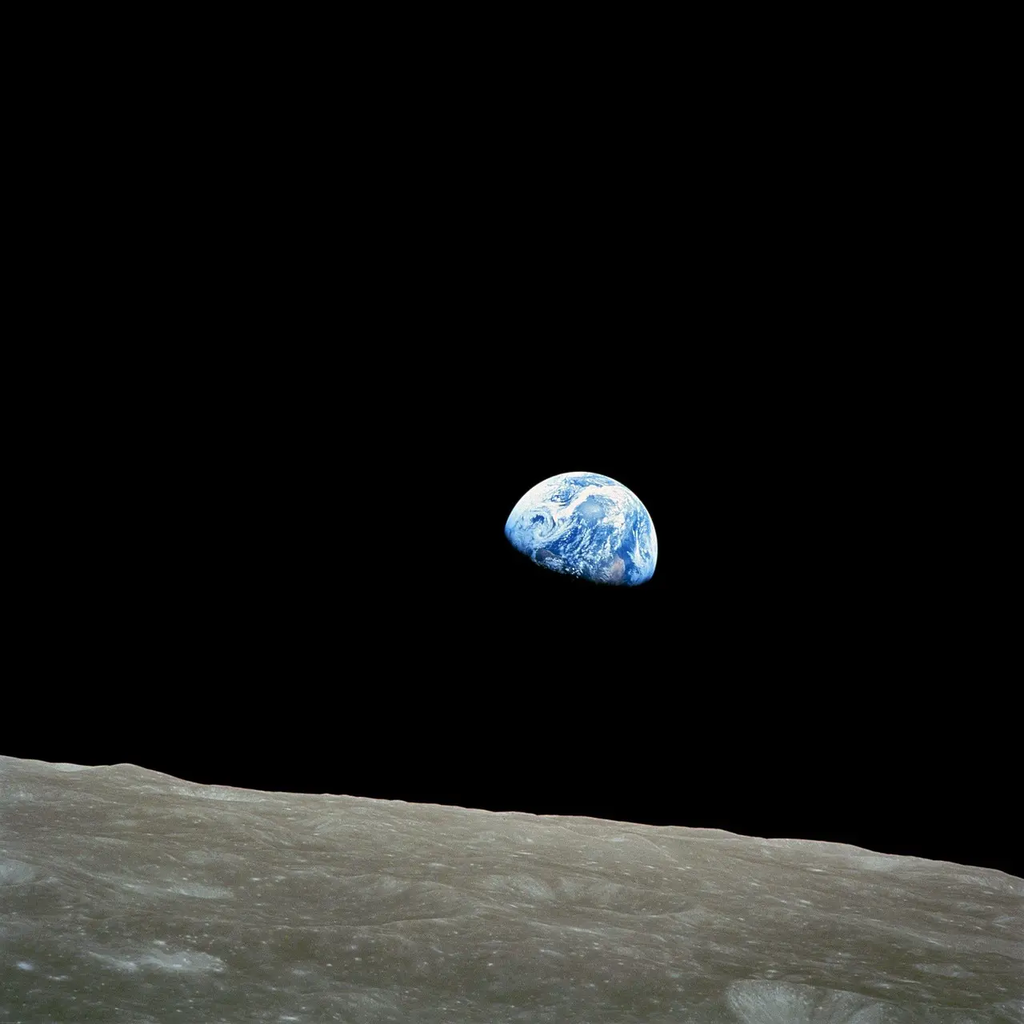
The phrase "The Sun: Our Star (The Solar System)" refers to the Sun as the central star of our solar system. It is the primary source of light and energy for Earth and the other planets, making life possible. The Sun's immense gravity holds the solar system together, guiding the orbits of planets, asteroids, and comets. Understanding the Sun helps us learn about the origins, structure, and dynamics of our entire solar system.
The Sun: Our Star+50
The phrase "The Sun: Our Star (The Solar System)" refers to the Sun as the central star of our solar system. It is the primary source of light and energy for Earth and the other planets, making life possible. The Sun's immense gravity holds the solar system together, guiding the orbits of planets, asteroids, and comets. Understanding the Sun helps us learn about the origins, structure, and dynamics of our entire solar system.
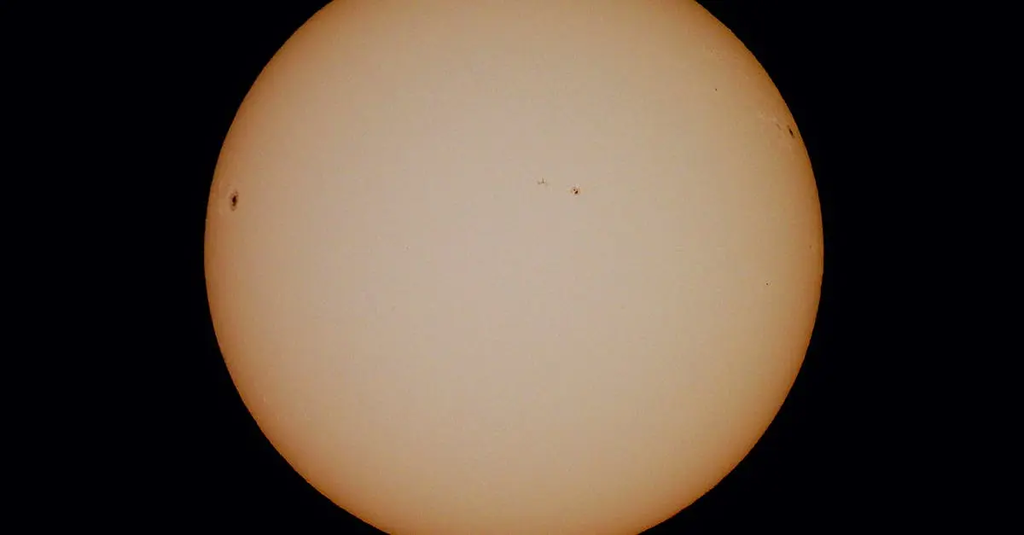
💡 Key Takeaways
- Identify the Sun's basic properties (size, temperature, distance) and why it's essential for life on Earth.
- Explain how nuclear fusion in the Sun's core produces energy and how it moves outward through the radiative and convective zones.
- Describe the Sun's atmospheric layers (photosphere, chromosphere, corona) and what characterizes each.
- Understand how solar radiation and space weather (solar wind) affect Earth and our technology.
❓ Frequently Asked Questions
What is the Sun?
The Sun is a star at the center of our solar system—a massive ball of hot plasma held together by gravity, powered by nuclear fusion in its core.
What powers the Sun's energy?
Nuclear fusion converts hydrogen into helium in the core, releasing energy that becomes light and heat.
How hot is the Sun?
Core temperatures reach about 15 million°C; the surface (photosphere) is about 5,500°C; the outer atmosphere (corona) is hotter but much less dense.
How long does sunlight take to reach Earth?
About 8 minutes and 20 seconds (roughly 8.3 minutes) from the Sun to Earth.