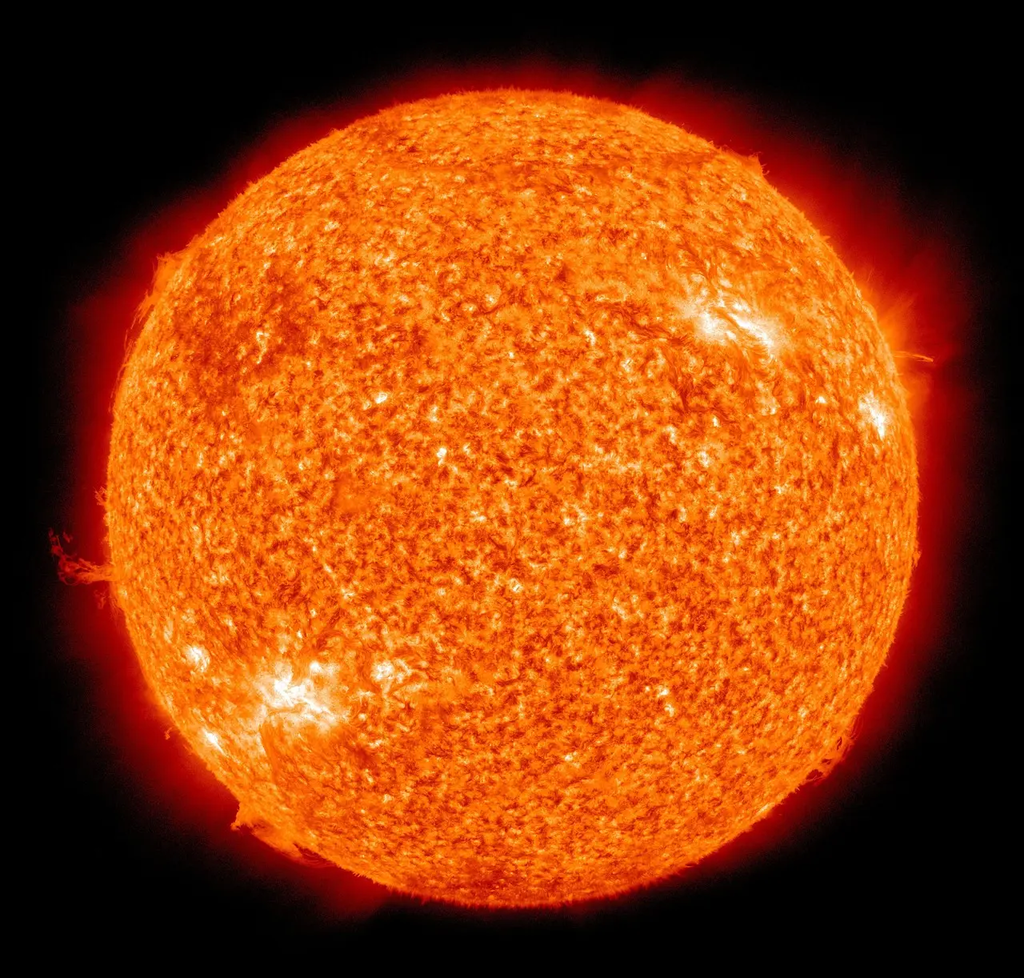
"The Sun: Our Star" explores the central role of the Sun in our solar system. As the closest star to Earth, the Sun provides light, warmth, and energy essential for life. The phrase highlights the Sun’s importance in space exploration, emphasizing how it influences planetary orbits, climates, and supports the existence of life. Understanding the Sun helps scientists learn more about other stars and the broader universe.
The Sun: Our Star+50
"The Sun: Our Star" explores the central role of the Sun in our solar system. As the closest star to Earth, the Sun provides light, warmth, and energy essential for life. The phrase highlights the Sun’s importance in space exploration, emphasizing how it influences planetary orbits, climates, and supports the existence of life. Understanding the Sun helps scientists learn more about other stars and the broader universe.
💡 Key Takeaways
- Understand what the Sun is and why it's called our star.
- Learn how nuclear fusion in the Sun's core produces energy and light.
- Discover how the Sun's energy powers life on Earth and drives weather and climate.
- Recognize common solar phenomena (sunspots, solar flares, solar wind) and how scientists study them.
❓ Frequently Asked Questions
What is the Sun and why is it important?
The Sun is the star at the center of our solar system. It provides most of the light and heat that sustain Earth's climate, weather, and life.
What type of star is the Sun and how does it generate energy?
The Sun is a G-type main-sequence star (a yellow dwarf). It fuses hydrogen into helium in its core, releasing energy as light and heat.
How far is the Sun from Earth and how long does light take to reach us?
About 93 million miles (150 million kilometers) away; light takes roughly 8 minutes 20 seconds to travel from the Sun to Earth.
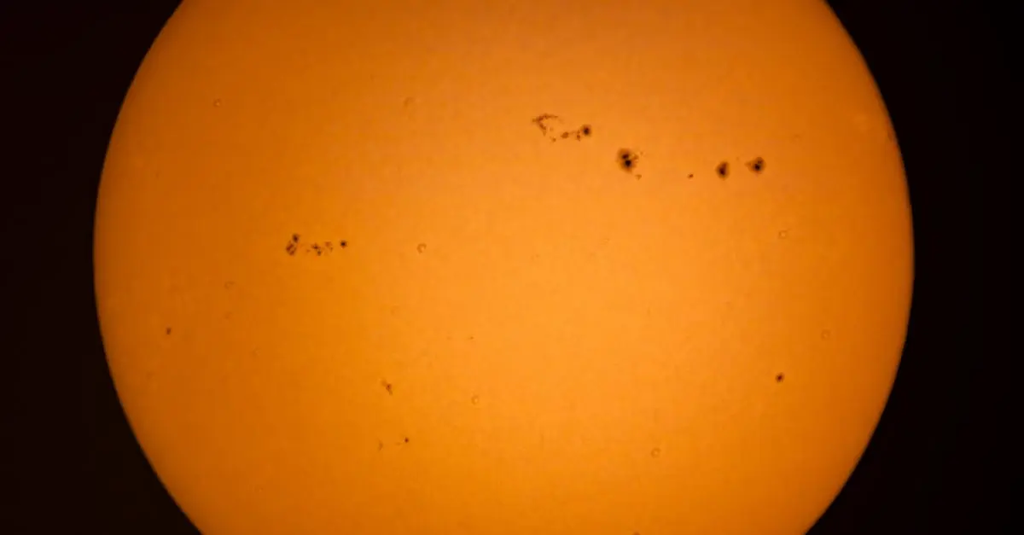
What are sunspots and solar flares, and how do they affect Earth?
Sunspots are cooler, magnetically active regions on the Sun's surface; solar flares are bursts of energy that can affect space weather, radio signals, and power systems on Earth when strong.