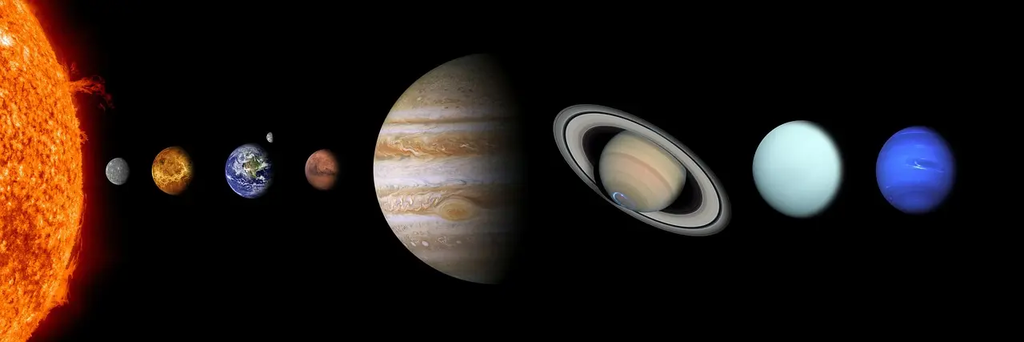
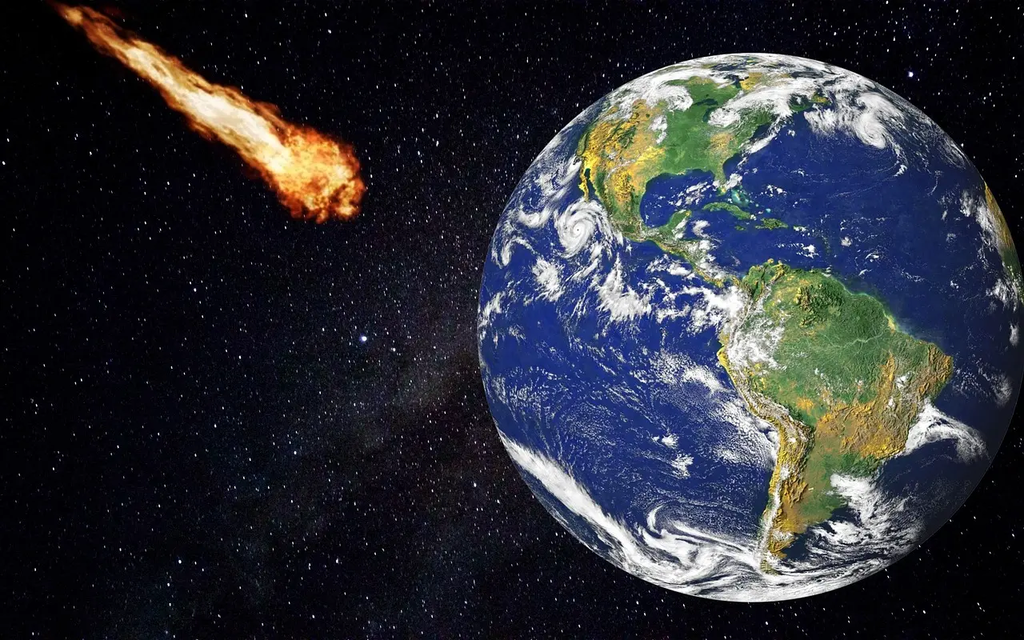
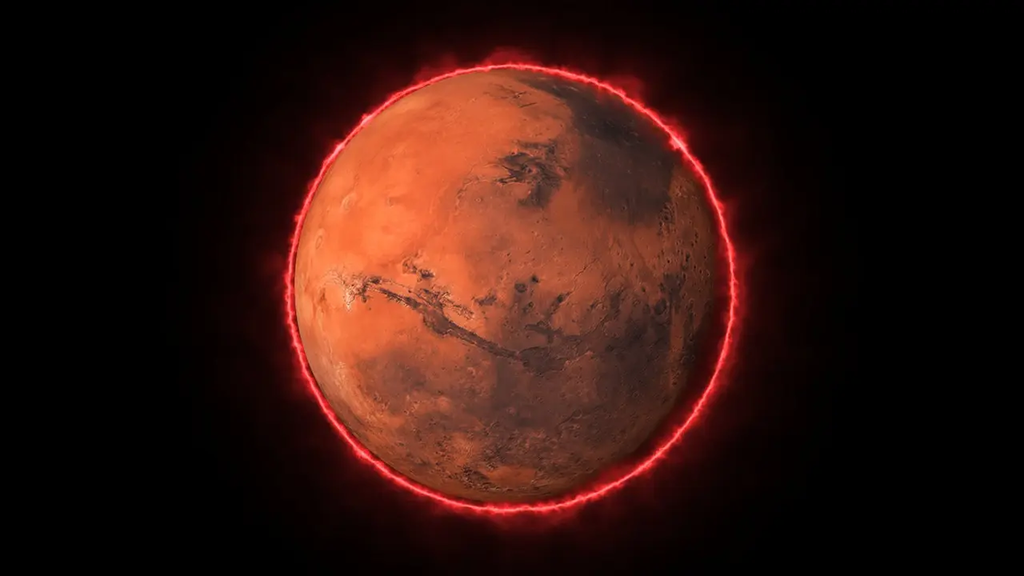
The Sun’s life cycle begins as a cloud of gas and dust, forming a protostar through gravitational collapse. It then becomes a main sequence star, fusing hydrogen into helium for billions of years. Eventually, the Sun will expand into a red giant, shedding its outer layers. The core will contract into a white dwarf, gradually cooling over time. This process shapes the evolution of the solar system and influences surrounding celestial bodies.
The Sun's Life Cycle
The Sun’s life cycle begins as a cloud of gas and dust, forming a protostar through gravitational collapse. It then becomes a main sequence star, fusing hydrogen into helium for billions of years. Eventually, the Sun will expand into a red giant, shedding its outer layers. The core will contract into a white dwarf, gradually cooling over time. This process shapes the evolution of the solar system and influences surrounding celestial bodies.

💡 Key Takeaways
- Understand the Sun’s life-cycle stages: protostar → main sequence → red giant → planetary nebula → white dwarf.
- Learn how hydrogen fusion in the core powers the Sun’s energy and warmth (proton-proton chain).
- Explore how the Sun’s size, temperature, and brightness change over time and how that affects the planets.
- Know the rough timeline: the Sun is about 4.6 billion years old and has roughly 5 billion years left before evolving into a red giant and ending as a white dwarf.
❓ Frequently Asked Questions
What is the Sun's current stage in its life cycle?
The Sun is in the main sequence, fusing hydrogen in its core. It’s about 4.6 billion years old and has roughly 5 billion years left in this stage.
How does the Sun generate energy during the main-sequence phase?
Energy comes from nuclear fusion of hydrogen into helium in the core, primarily via the proton-proton chain reaction.
What happens when the Sun runs out of hydrogen in its core?
The core contracts and heats up, causing the outer layers to expand into a red giant while hydrogen burning continues in a shell around the core.
What will the Sun become at the end of its life?
It will shed its outer layers as a planetary nebula and leave behind a white dwarf; it will not explode as a supernova.