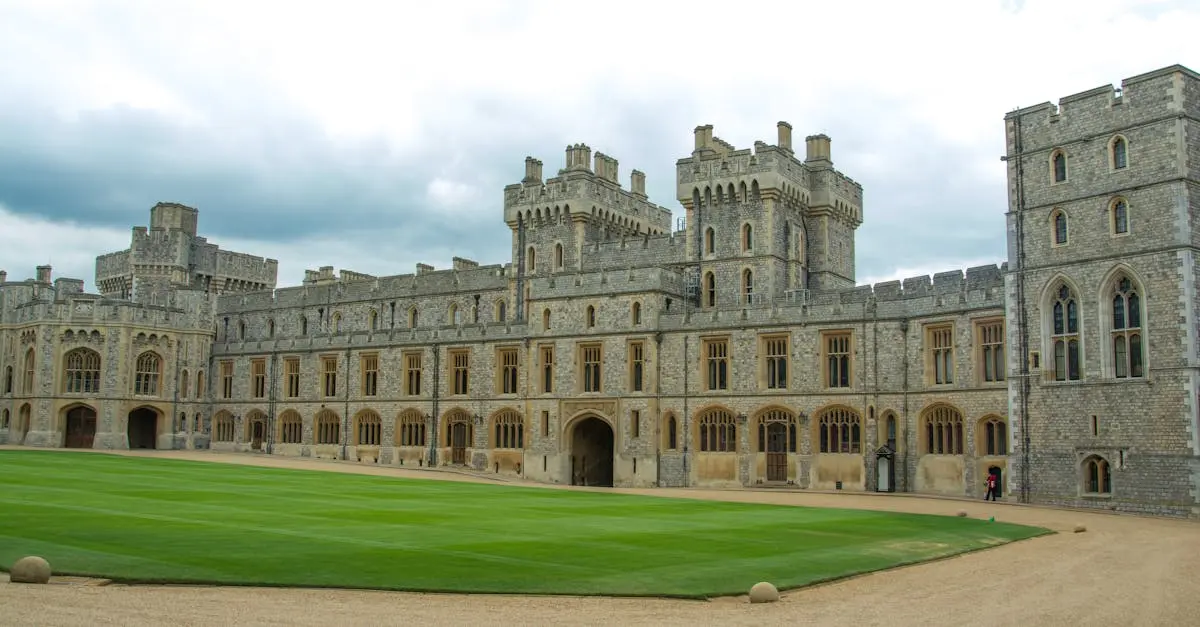
The Treaty of Windsor, signed in 1386 between England and Portugal, established a pact of mutual support and alliance. It solidified diplomatic, military, and economic cooperation, ensuring both nations would assist each other against common enemies. This treaty laid the foundation for one of the world’s oldest enduring alliances, fostering centuries of friendship, trade, and military collaboration between the two countries, and has had a lasting impact on their historical relationship.
The Treaty of Windsor
The Treaty of Windsor, signed in 1386 between England and Portugal, established a pact of mutual support and alliance. It solidified diplomatic, military, and economic cooperation, ensuring both nations would assist each other against common enemies. This treaty laid the foundation for one of the world’s oldest enduring alliances, fostering centuries of friendship, trade, and military collaboration between the two countries, and has had a lasting impact on their historical relationship.
💡 Key Takeaways
- Identify the key facts: the 1386 treaty between England and Portugal and its purpose as a mutual defense alliance.
- Explain how the treaty created diplomatic, military, and economic cooperation between the two nations.
- Understand that this agreement laid the groundwork for one of the oldest enduring alliances in world history.
- Recognize how the alliance aimed to counter common enemies and influenced later English-Portuguese relations.
❓ Frequently Asked Questions
When was the Treaty of Windsor signed and which countries were involved?
It was signed in 1386 between England and Portugal, establishing a formal bilateral alliance.
What was the main purpose of the treaty?
To create a mutual defense and cooperation pact—diplomatic, military, and economic—against common enemies.
Did the treaty include any dynastic alliance?
Yes. It helped secure a marriage alliance between Philippa of Lancaster (England) and John I of Portugal.
Why is the Treaty of Windsor considered historically significant?
It laid the foundation for the Anglo-Portuguese Alliance, often cited as the oldest active alliance in the world.