The Troubles in Northern Ireland were a violent conflict from the late 1960s to 1998, rooted in historical tensions between mainly Protestant Unionists, who favored remaining part of the UK, and mainly Catholic Nationalists, who sought unification with Ireland. Key events included civil rights marches, Bloody Sunday in 1972, bombings, and sectarian violence. The conflict ended with the 1998 Good Friday Agreement, which established a power-sharing government and reduced hostilities.
The Troubles in Northern Ireland: origins and key events
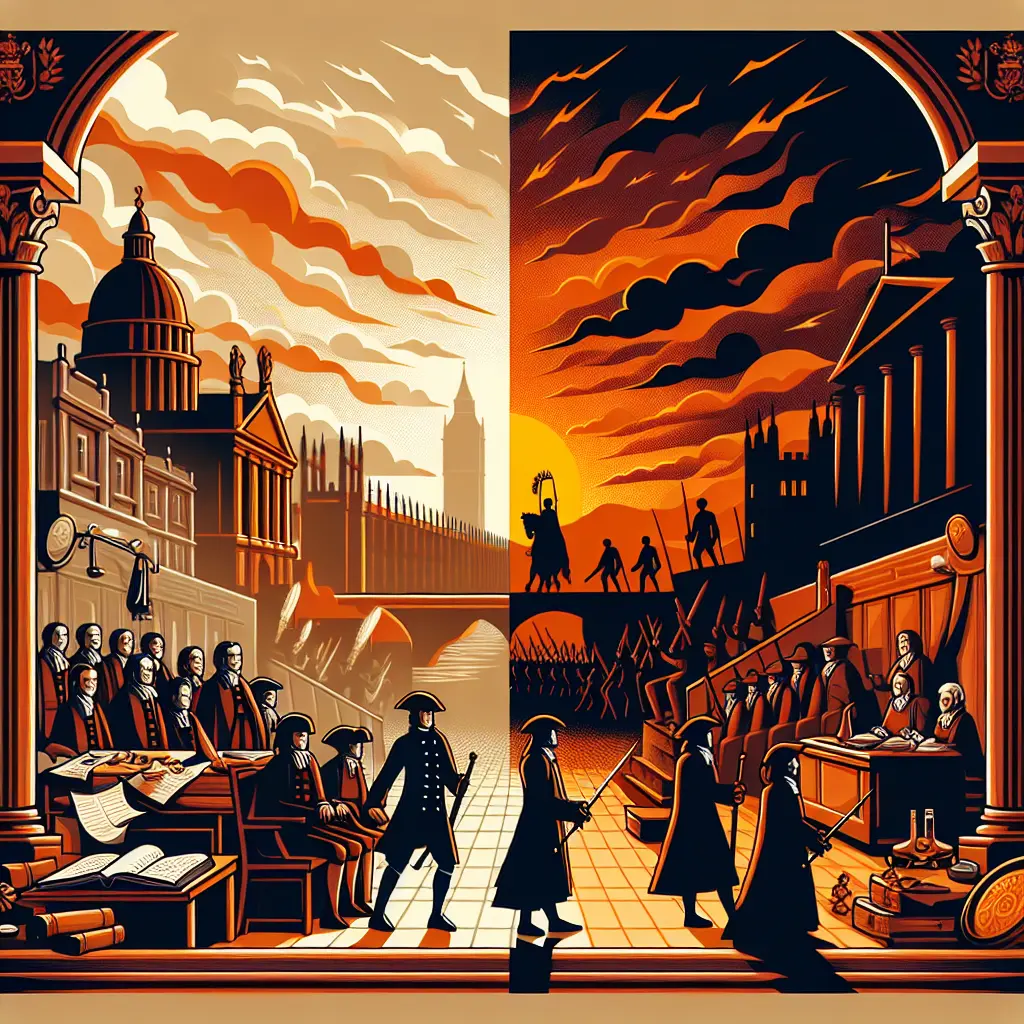
The Troubles in Northern Ireland were a violent conflict from the late 1960s to 1998, rooted in historical tensions between mainly Protestant Unionists, who favored remaining part of the UK, and mainly Catholic Nationalists, who sought unification with Ireland. Key events included civil rights marches, Bloody Sunday in 1972, bombings, and sectarian violence. The conflict ended with the 1998 Good Friday Agreement, which established a power-sharing government and reduced hostilities.
💡 Key Takeaways
- Understand how historical sectarian divides between Protestant Unionists and Catholic Nationalists, along with civil rights pressures, sparked The Troubles.
- Identify the main communities, paramilitary groups, and the role of civil rights marches in shaping the conflict.
- Trace the timeline from the late 1960s to the 1998 Good Friday Agreement, including major turning points like Bloody Sunday.
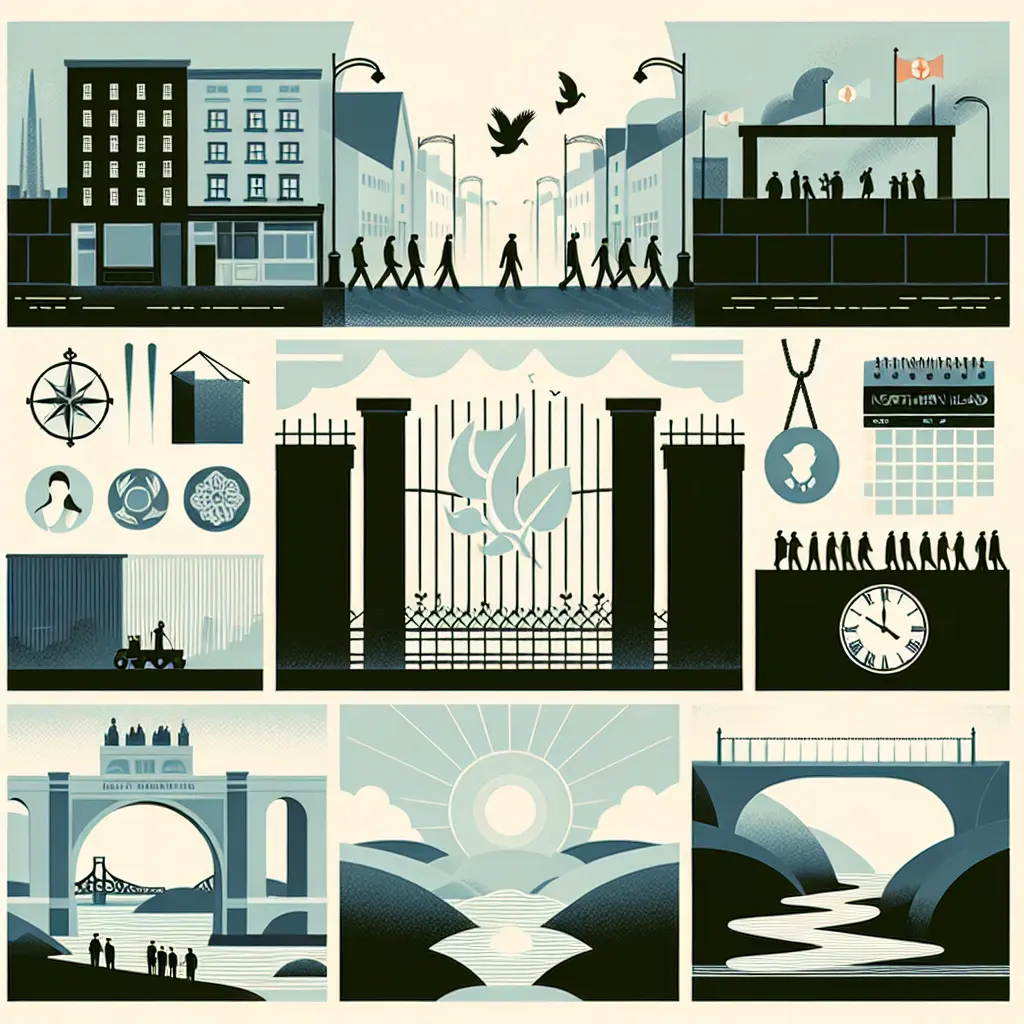
- Learn how The Troubles affected daily life and politics in Northern Ireland and how the Good Friday Agreement established a power-sharing peace framework.
❓ Frequently Asked Questions
What were The Troubles in Northern Ireland?
A violent political and sectarian conflict in Northern Ireland from the late 1960s to 1998, driven by tensions between mainly Protestant Unionists who wanted to remain in the UK and mainly Catholic Nationalists who sought unification with Ireland, involving paramilitary groups and state forces.
Who were the main sides and groups involved?
The conflict featured Protestant Unionists/Loyalists who favored staying in the UK and Catholic Nationalists/Republicans who desired a united Ireland, along with key armed groups like the IRA on the nationalist side, loyalist paramilitaries on the unionist side, and the British security forces.
What sparked the conflict, and what role did civil rights marches play?
Longstanding discrimination against Catholics and constitutional disputes sparked tensions; civil rights marches in the late 1960s highlighted grievances and helped trigger escalating violence.
How did the Troubles end, and what was the Good Friday Agreement?
The conflict largely ended with the Good Friday Agreement in 1998, which established a power-sharing government and reforms to cross-border cooperation, followed by ceasefires and ongoing peace-building.