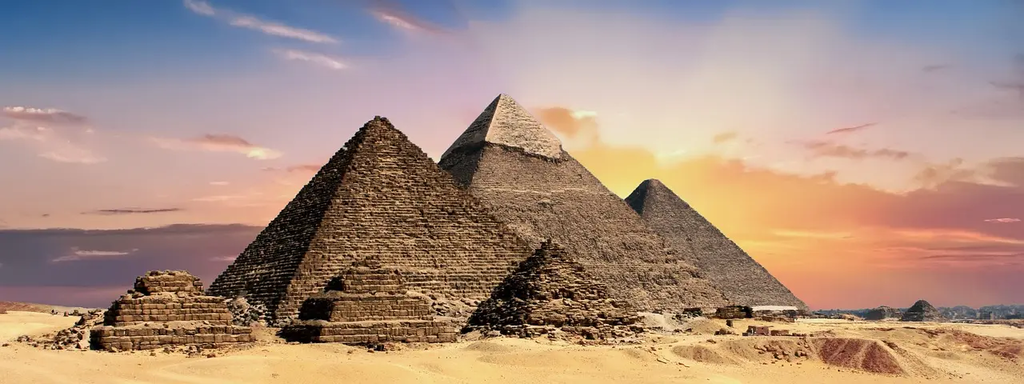
The Tunguska Explosion refers to a massive blast that occurred on June 30, 1908, near the Tunguska River in Siberia, Russia. It flattened around 2,000 square kilometers of forest, likely caused by the airburst of a meteoroid or comet fragment. The explosion released energy equivalent to 10–15 megatons of TNT, making it the largest impact event in recorded history, though no impact crater was found.
The Tunguska Explosion
The Tunguska Explosion refers to a massive blast that occurred on June 30, 1908, near the Tunguska River in Siberia, Russia. It flattened around 2,000 square kilometers of forest, likely caused by the airburst of a meteoroid or comet fragment. The explosion released energy equivalent to 10–15 megatons of TNT, making it the largest impact event in recorded history, though no impact crater was found.
💡 Key Takeaways
- Understand the basics of the 1908 Tunguska event: date, location, and the colossal forest destruction in Siberia.
- Learn why scientists believe it was an airburst caused by a meteoroid or comet fragment rather than a surface impact crater.
- Recognize the scale of the blast: about 2,000 square kilometers of forest flattened and an energy release estimated at 10–15 megatons.
- Explore the mysteries still surrounding the event, including the lack of a confirmed impact crater and ongoing scientific debates.
❓ Frequently Asked Questions
What happened at the Tunguska Explosion and when did it occur?
A massive blast on June 30, 1908, near the Tunguska River in Siberia that flattened about 2,000 square kilometers of forest. It’s thought to be caused by an airburst from a meteoroid or comet fragment, releasing about 10–15 megatons of energy.
Why do scientists believe it was an airburst rather than a ground impact?
No crater was found, and trees were felled in a wide, radial pattern with heat damage, consistent with an explosion high in the atmosphere spreading energy outward.
How strong was the explosion, in energy terms?
Estimated energy around 10–15 megatons of TNT, vastly more powerful than typical meteor events.
What evidence supports the meteoroid/comet airburst theory, and are there other ideas?
Key evidence includes the broad forest damage pattern and eyewitness reports of a bright sky and heat. While the leading view is an airburst from a space object, other ideas (e.g., nuclear devices or speculative theories) lack solid evidence.
What has the Tunguska event taught science?
It highlighted the hazards of atmospheric airbursts from asteroids/comets and helped spur research into impact risks, atmospheric physics, and early field study methods for remote, large-scale events.