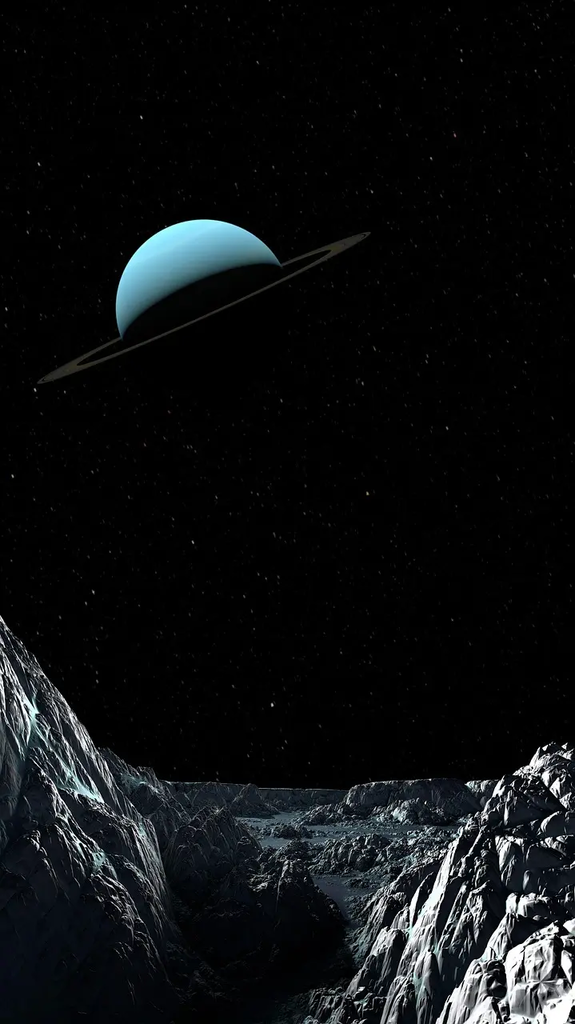
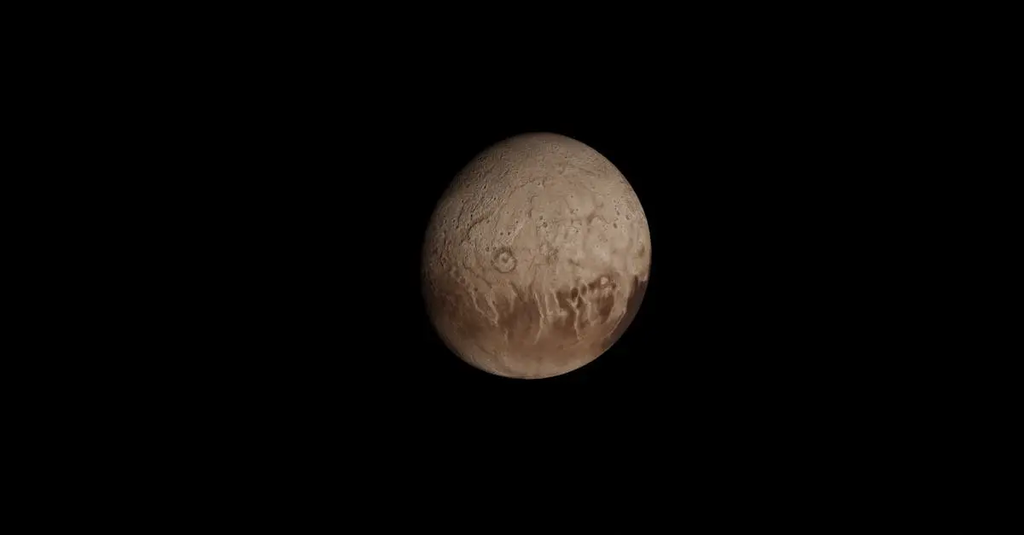
The Voyager Missions refer to NASA’s groundbreaking space probes, Voyager 1 and Voyager 2, launched in 1977 to explore the outer planets and beyond. These spacecraft conducted close-up studies of Jupiter, Saturn, Uranus, and Neptune, sending back detailed images and data. Their journey expanded our understanding of the solar system and interstellar space, making them iconic symbols of humanity’s quest to explore distant planets and stars.
The Voyager Missions
The Voyager Missions refer to NASA’s groundbreaking space probes, Voyager 1 and Voyager 2, launched in 1977 to explore the outer planets and beyond. These spacecraft conducted close-up studies of Jupiter, Saturn, Uranus, and Neptune, sending back detailed images and data. Their journey expanded our understanding of the solar system and interstellar space, making them iconic symbols of humanity’s quest to explore distant planets and stars.
💡 Key Takeaways
- Understand the Voyager mission goals and the visits to Jupiter, Saturn, Uranus, and Neptune.
- Learn how gravity assists enabled the Grand Tour and extended Voyager's reach.
- Identify key instruments and discoveries (images, magnetometers, plasma science) and the Golden Record’s purpose.
- Recognize how Voyager's design enables longevity (RTGs, Deep Space Network communications).
- Appreciate Voyager's ongoing journey as it travels into interstellar space and continues to relay data.
❓ Frequently Asked Questions
What are the Voyager missions?
NASA's Voyager 1 and Voyager 2 are twin spacecraft launched in 1977 to explore the outer planets and the edge of the solar system, carrying instruments to study planets, moons and interplanetary space.
Which planets did Voyager 1 and Voyager 2 visit, and in what order?
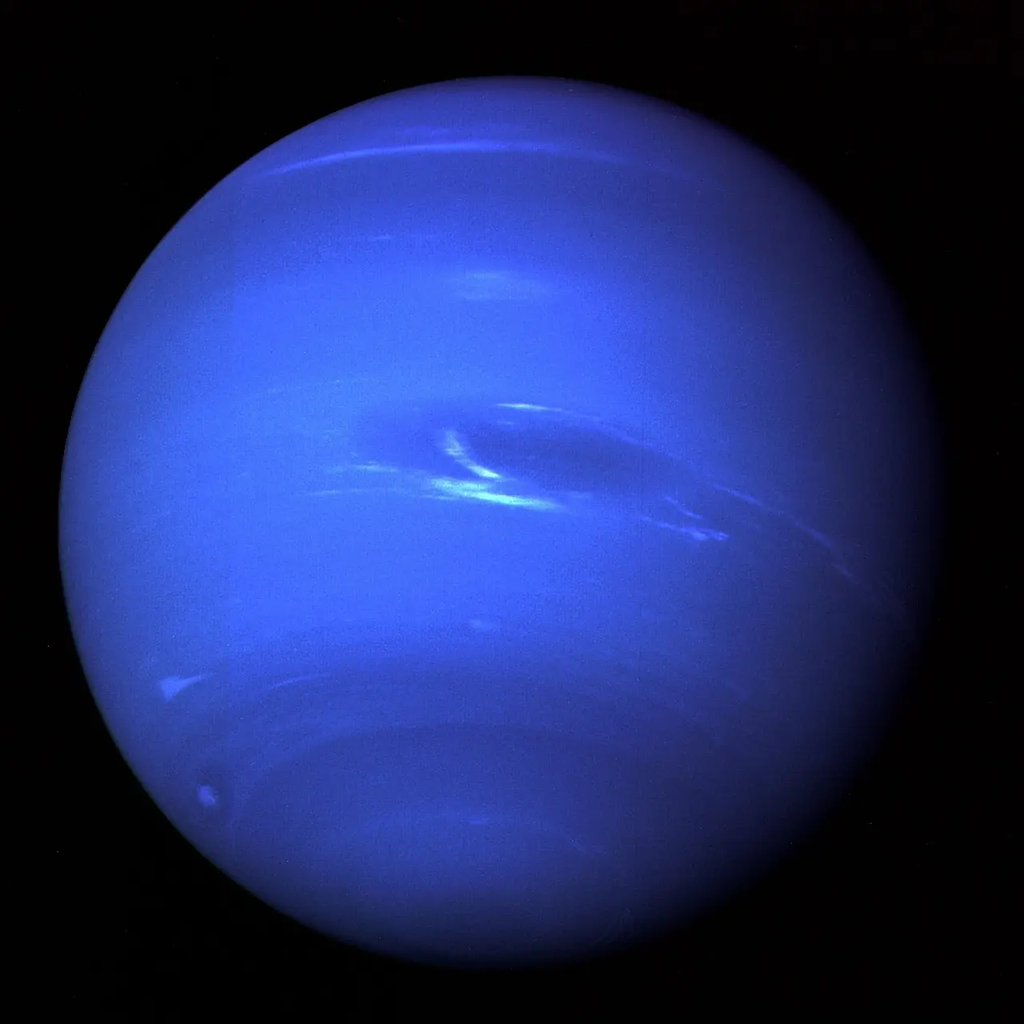
Voyager 1 flew by Jupiter and Saturn. Voyager 2 conducted a grand tour visiting Jupiter, Saturn, Uranus, and Neptune—the only spacecraft to visit Uranus and Neptune.
What is the Golden Record on the Voyager spacecraft?
The Golden Record is a 12-inch phonograph record containing sounds, music, and images intended to portray Earth and humanity to potential extraterrestrials.
Are the Voyager probes still active, and where are they now?
Yes. Both probes are still transmitting data from beyond the outer planets; Voyager 1 and Voyager 2 are in interstellar space, far from Earth.