The Weeknd’s career is marked by distinct alter egos and eras, each reflecting his evolving artistry. From the mysterious, shadowy persona of his early mixtapes as “The Weeknd,” to the tormented “Trilogy” figure, and later the red-suited, bruised “After Hours” character, he uses visual themes and personalities to embody different musical phases. These transformations allow him to explore new sounds, stories, and emotions throughout his discography.
The Weeknd Alter Egos and Eras
The Weeknd’s career is marked by distinct alter egos and eras, each reflecting his evolving artistry. From the mysterious, shadowy persona of his early mixtapes as “The Weeknd,” to the tormented “Trilogy” figure, and later the red-suited, bruised “After Hours” character, he uses visual themes and personalities to embody different musical phases. These transformations allow him to explore new sounds, stories, and emotions throughout his discography.
💡 Key Takeaways
- Identify The Weeknd’s major alter egos/eras (The Weeknd, the Trilogy figure, After Hours) and what each reveals about his artistry.
- See how visuals—color palettes, fashion, and imagery—signal each era and shape the listening experience.
- Note the shifts in production and style across eras, from moody R&B to synth-driven, cinematic sounds.
- Understand how storytelling and branding create a cohesive narrative arc across releases.
- Explore how alter egos influence fan engagement and critical reception.
❓ Frequently Asked Questions
What is The Weeknd's early alter ego?
A mysterious, shadowy persona used on his first mixtapes, often simply billed as 'The Weeknd,' emphasizing anonymity and dark, nocturnal themes.
What does 'Trilogy' refer to in his career?
A 2012–2013 collection compiling his first three mixtapes—House of Balloons, Thursday, Echoes of Silence—highlighting a tormented, sensual vibe.
Which era features a red suit and a bruised face?
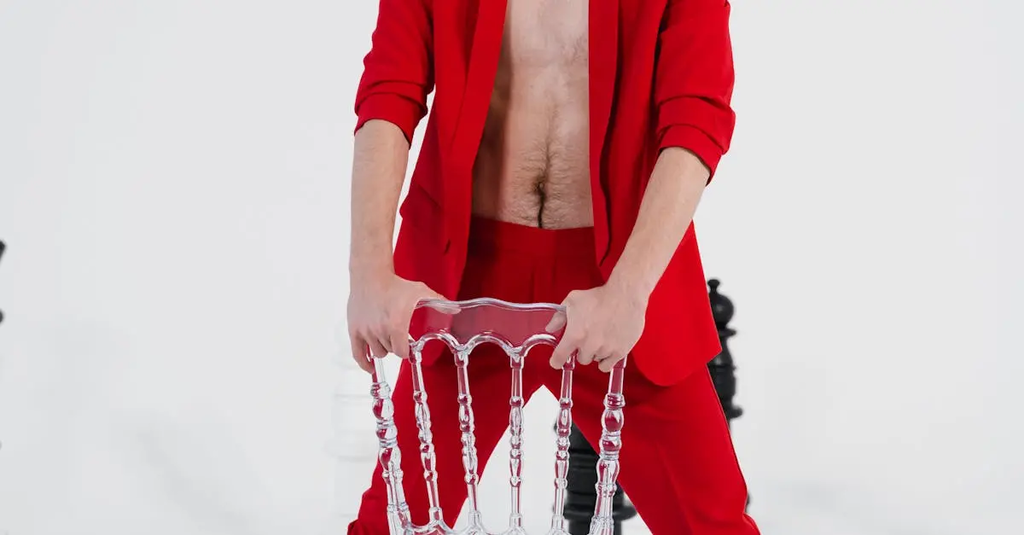
The After Hours era (around 2020), known for a cinematic red-suited look and the bruised-face motif in videos and performances.
How do alter egos shape The Weeknd's music and visuals?
Each persona marks shifts in theme, sound, and storytelling, guiding fashion, video direction, and production to fit the era's mood.
What is the Starboy era known for?
A more polished, pop-influenced sound and visuals tied to the Starboy album (2016), featuring distinct branding and sleek aesthetics.