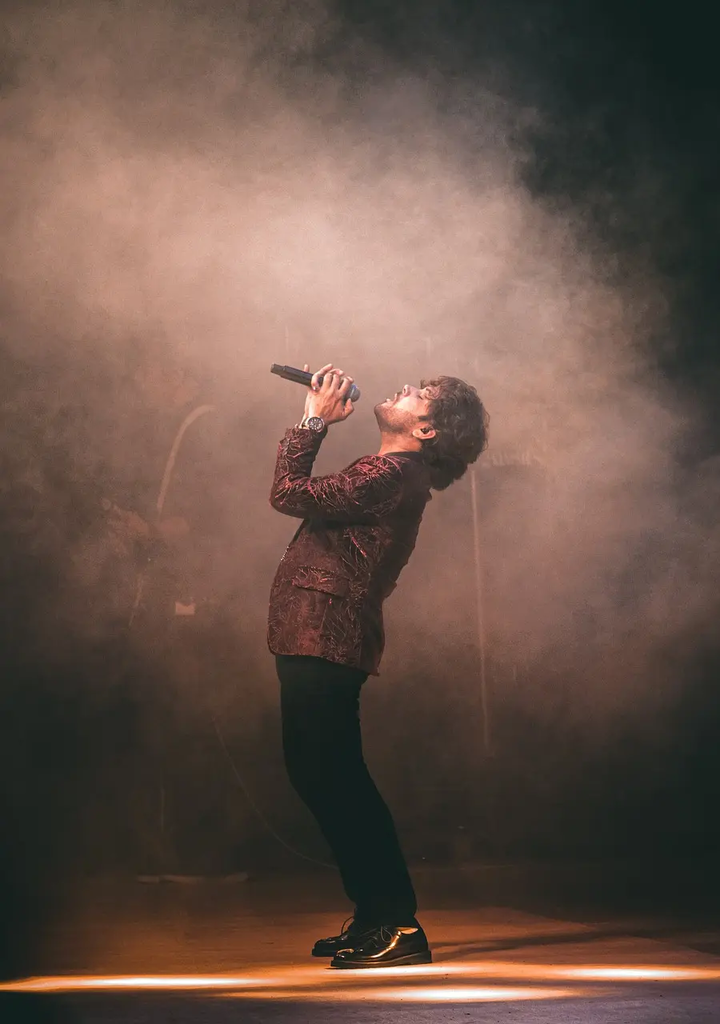
The Weeknd’s "Starboy" era marks a transformative period in his career, showcasing a shift from his dark, moody R&B roots to a more mainstream, synth-driven pop sound. Released in 2016, the "Starboy" album features collaborations with Daft Punk and explores themes of fame, excess, and personal reinvention. This era is defined by bold visuals, a signature red cross motif, and The Weeknd’s iconic hairstyle change, signifying both artistic and personal evolution.
The Weeknd Starboy Era Deep Dive
The Weeknd’s "Starboy" era marks a transformative period in his career, showcasing a shift from his dark, moody R&B roots to a more mainstream, synth-driven pop sound. Released in 2016, the "Starboy" album features collaborations with Daft Punk and explores themes of fame, excess, and personal reinvention. This era is defined by bold visuals, a signature red cross motif, and The Weeknd’s iconic hairstyle change, signifying both artistic and personal evolution.
💡 Key Takeaways
- Understand The Weeknd's shift from dark R&B to synth-driven pop and the key production choices.
- Learn how Daft Punk's collaboration shaped Starboy's sound and standout tracks.
- Explore themes of fame, excess, and personal identity across the era's lyrics and visuals.
- Compare Starboy's style and imagery with The Weeknd's earlier work to trace his mid-2010s evolution.
❓ Frequently Asked Questions
What is the Starboy era?
The Starboy era centers on The Weeknd's 2016 album Starboy, marking a shift from moody R&B to synth‑driven pop with brighter production and high‑profile collaborations.
Which artists collaborated on Starboy and how did they influence the sound?
Daft Punk co-produced and featured on tracks like 'Starboy' and 'I Feel It Coming,' giving the album a sleek, futuristic edge and blending electronic textures with pop and R&B.
What are the main themes of the Starboy era?
Themes include fame and celebrity life, excess and decadence, personal reinvention, and the tension between vulnerability and image.
How does Starboy compare to The Weeknd's earlier work?
Starboy moves from dark, moody R&B toward brighter, synth‑pop sounds with 80s influences, while still exploring introspective topics about identity and fame.
How does the Taylor Swift & Celebrity Superfan framing fit the quiz?
The title signals a pop‑culture, celebrity‑fan framing for the quiz—questions may reference famous fans or cross‑artist moments—without implying Swift contributed to the album.