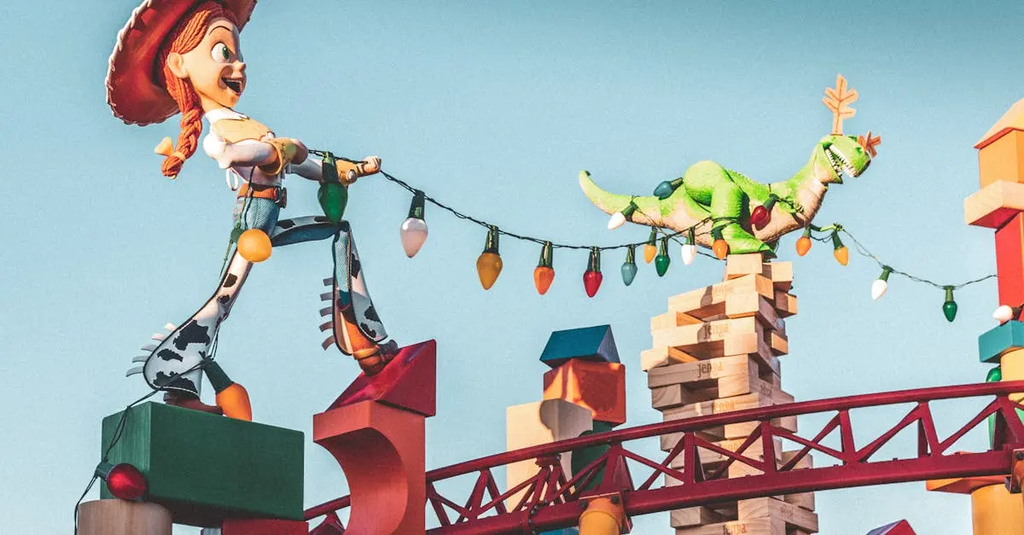
A Theme Park IP Integration Strategy involves incorporating well-known intellectual properties (IPs)—such as movies, TV shows, or characters—into a theme park’s attractions, shows, and environments. This approach leverages the popularity and emotional connection of established brands to attract visitors, enhance guest experiences, and differentiate the park from competitors. Successful integration requires careful planning to ensure the IP aligns with the park’s vision, storytelling, and operational needs, ultimately driving attendance and revenue growth.
Theme Park IP Integration Strategy
A Theme Park IP Integration Strategy involves incorporating well-known intellectual properties (IPs)—such as movies, TV shows, or characters—into a theme park’s attractions, shows, and environments. This approach leverages the popularity and emotional connection of established brands to attract visitors, enhance guest experiences, and differentiate the park from competitors. Successful integration requires careful planning to ensure the IP aligns with the park’s vision, storytelling, and operational needs, ultimately driving attendance and revenue growth.
💡 Key Takeaways
- Understand the core idea of an IP integration strategy and why established brands attract visitors.
- Learn how to translate an IP's storytelling into rides, shows, and park environments while preserving brand integrity.
- Identify licensing, partnerships, and governance steps needed to legally embed IP in attractions and experiences.
- Assess opportunities and risks of IP-driven experiences, including guest engagement, cross-promotions, IP fatigue, and refresh strategies.
❓ Frequently Asked Questions
What is a Theme Park IP Integration Strategy?
A strategy that incorporates well-known IPs (movies, TV shows, characters) into attractions, shows, and environments to leverage popularity and emotional connections to attract visitors.
Why do brands like Disney and Pixar use IPs in parks?
Using familiar brands helps attract fans, extends storytelling across media, increases dwell time, and supports merchandise and cross-promotion.
What are common elements of IP-based attractions?
Immersive themed lands, character meet-and-greets, rides inspired by films, storytelling arcs, and integrated dining and merchandise that reinforce the IP.
What are potential challenges of IP integration?
High licensing costs, creative restrictions, risk of brand fatigue, keeping content up-to-date, and ensuring the IP resonates with diverse guest groups.
How does IP integration affect guest experience and business outcomes?
It creates strong emotional connections, boosts anticipation and repeat visits, and enhances revenue through merchandising and cross-media engagement.