The phrase highlights an amusing and surprising fact: the number of artificial flamingos, such as plastic lawn ornaments, exceeds the actual population of living flamingos worldwide. This quirky statistic exemplifies how manufactured objects can outnumber their real-life counterparts, making it a perfect example of a fact that sounds unbelievable at first but is indeed true, illustrating humanity’s penchant for imitation and decoration.
There are more fake flamingos in the world than real ones
The phrase highlights an amusing and surprising fact: the number of artificial flamingos, such as plastic lawn ornaments, exceeds the actual population of living flamingos worldwide. This quirky statistic exemplifies how manufactured objects can outnumber their real-life counterparts, making it a perfect example of a fact that sounds unbelievable at first but is indeed true, illustrating humanity’s penchant for imitation and decoration.
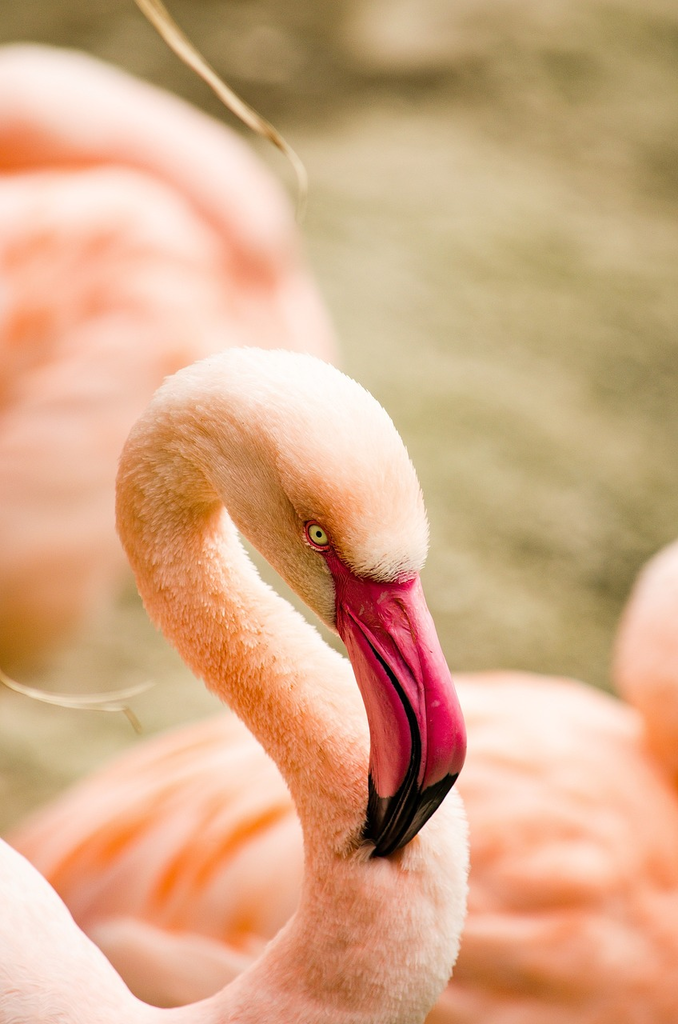
💡 Key Takeaways
- Differentiate real flamingos from decorative 'fake' flamingos and what the claim implies.
- Learn how scientists estimate flamingo populations and why figures can be surprising.
- Identify key threats to real flamingos (habitat loss, water quality, climate change, and food availability).
- Develop skills to verify wildlife statistics and avoid spreading sensational claims.
❓ Frequently Asked Questions
What does 'fake flamingos' mean in this article?
It usually refers to plastic lawn ornaments and other non-living representations of flamingos used for decoration.
Is it true there are more plastic flamingos than real flamingos?
It's a popular saying. Plastic flamingos are mass-produced, while real flamingo numbers vary and are harder to pin down. The phrase highlights the contrast between manufactured items and wildlife.
Why did plastic flamingos become popular as decorations?
They gained popularity in the mid-20th century for their bright color and playful look, becoming iconic, affordable lawn ornaments.
What can this fact teach us about real flamingos?
It underscores the importance of conserving flamingos' habitats, since many species depend on wetlands that face threats from pollution and development.