The phrase highlights the mind-boggling scale of the universe by comparing the estimated number of stars—about 100 sextillion or more—to the number of grains of sand on all the Earth’s beaches and deserts. Although it seems unbelievable, astronomical calculations suggest stars vastly outnumber sand grains, illustrating the vastness of the cosmos and how facts about space can often defy our everyday understanding or intuition.
There are more stars in the universe than grains of sand on Earth+50
The phrase highlights the mind-boggling scale of the universe by comparing the estimated number of stars—about 100 sextillion or more—to the number of grains of sand on all the Earth’s beaches and deserts. Although it seems unbelievable, astronomical calculations suggest stars vastly outnumber sand grains, illustrating the vastness of the cosmos and how facts about space can often defy our everyday understanding or intuition.
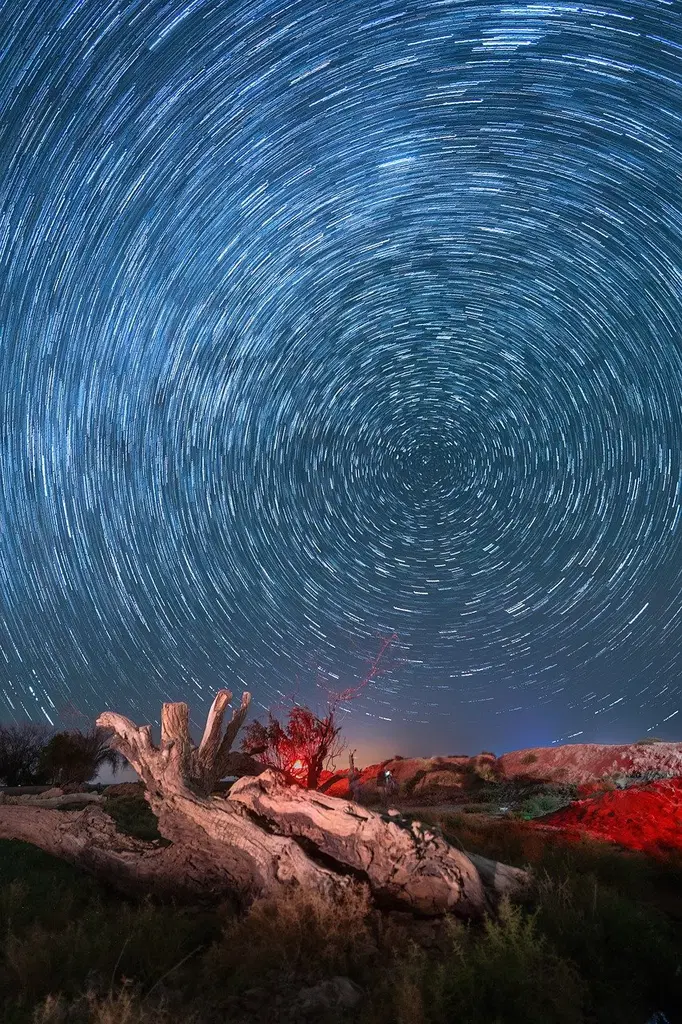
💡 Key Takeaways
- There are vastly more stars in the observable universe than grains of sand on Earth, illustrating the scale of the cosmos.
- Understand the rough estimation method scientists use to compare these numbers (galaxies, average stars per galaxy, and sand grain counts).
- Know the difference between the observable universe and the entire universe, and why counts are usually applied to what we can observe.
- Recognize that these figures are approximate and meant to convey scale rather than precise counts.
❓ Frequently Asked Questions
What does the statement 'There are more stars in the universe than grains of sand on Earth' mean?
It's a rough comparison: the observable universe likely has about 10^22–10^24 stars, while Earth's sand grains are estimated around 7.5×10^18—so stars outnumber grains by a large margin.
How many stars are estimated to be in the observable universe?
About 10^22–10^24 stars; estimates vary with how many galaxies exist and how many stars each contains.
How many grains of sand are there on Earth?
A rough estimate is about 7.5×10^18 grains of sand; it’s a ballpark figure based on beach and desert areas and grain size.
What is the observable universe?
The part of the universe we can see and measure; it spans about 93 billion light-years in diameter and contains roughly 2 trillion galaxies.