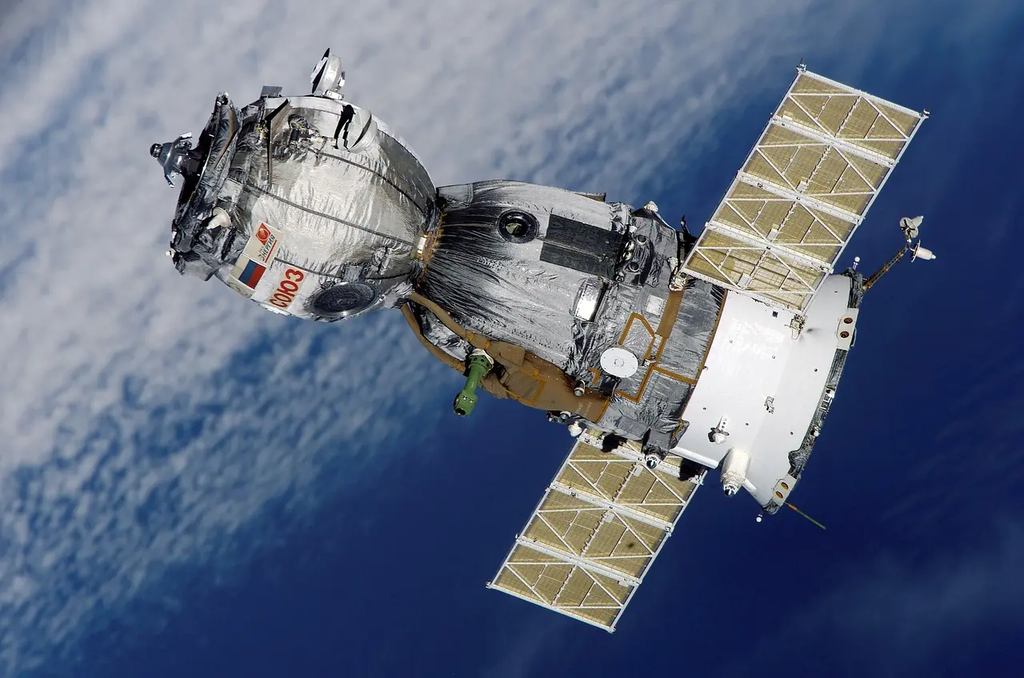
Thermal Control Systems are essential in spacecraft to manage heat. Radiators dissipate excess heat into space, preventing overheating. Specialized coatings are applied to surfaces to control the absorption and emission of thermal energy, optimizing temperature regulation. Multi-Layer Insulation (MLI) consists of multiple thin layers that reduce heat transfer, protecting spacecraft from extreme space temperatures. Together, these components maintain optimal operating temperatures for onboard instruments and systems.
Thermal Control Systems: Radiators, Coatings, and MLI
Thermal Control Systems are essential in spacecraft to manage heat. Radiators dissipate excess heat into space, preventing overheating. Specialized coatings are applied to surfaces to control the absorption and emission of thermal energy, optimizing temperature regulation. Multi-Layer Insulation (MLI) consists of multiple thin layers that reduce heat transfer, protecting spacecraft from extreme space temperatures. Together, these components maintain optimal operating temperatures for onboard instruments and systems.
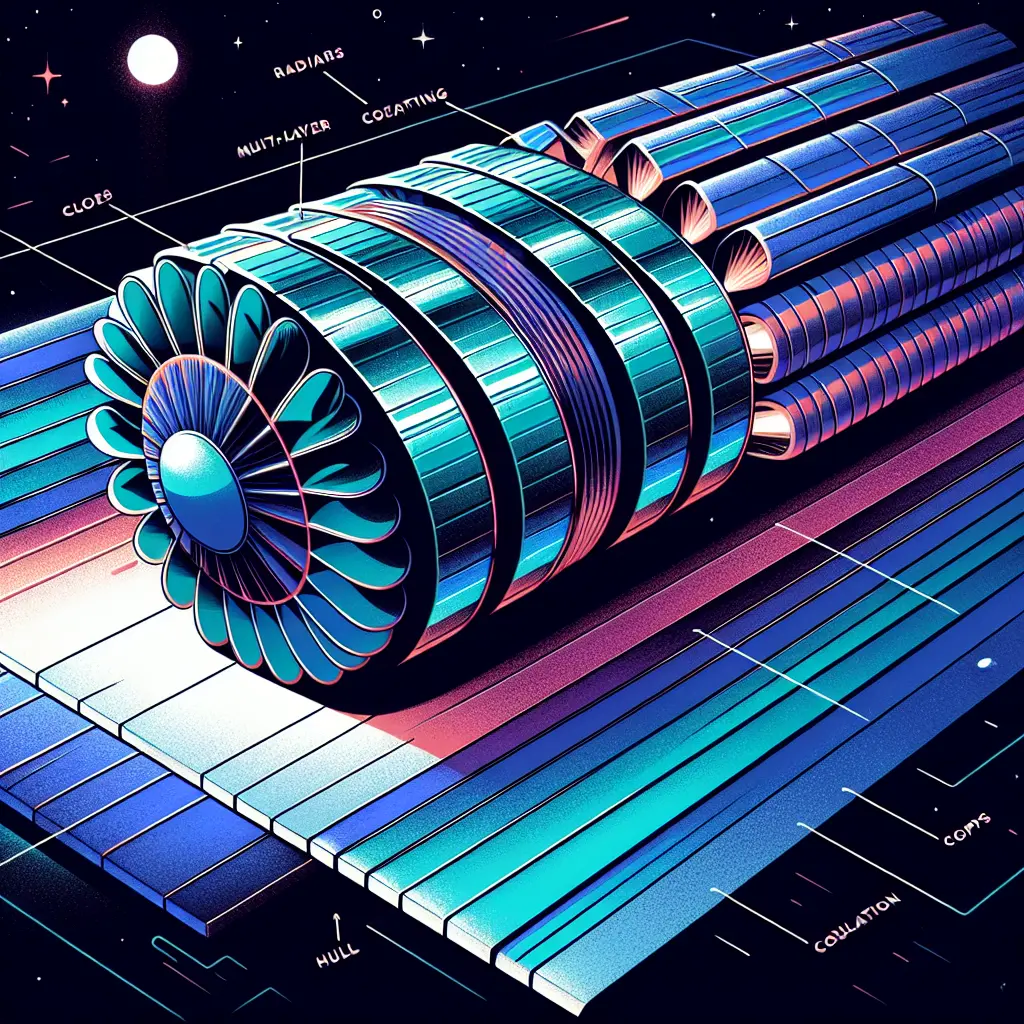
💡 Key Takeaways
- Understand the role of Thermal Control Systems in keeping spacecraft within safe temperatures.
- Learn how radiators dissipate excess heat to space and what affects radiator effectiveness.
- Explore how surface coatings control solar absorption and infrared emission for thermal regulation.
- Grasp what Multi-Layer Insulation (MLI) is and how its layered, reflective design minimizes heat transfer.
❓ Frequently Asked Questions
What is a Thermal Control System (TCS) in spacecraft?
A system that manages heat produced by and absorbed by the spacecraft to keep temperatures within safe ranges. It uses passive methods (insulation, coatings, MLI) and active methods (heaters, pumps, loop heat pipes) to move heat where needed.
How do radiators dissipate heat in space?
Radiators reject heat by emitting infrared radiation from their surfaces. Heat is moved from equipment to the radiator via heat pipes or fluid loops; in the vacuum of space, radiation—not convection—is the primary means of heat transfer.
Why are coatings used on spacecraft surfaces in thermal control?
Coatings control how much heat is absorbed and emitted. They can lower solar absorption to reduce heating and/or increase infrared emission to shed heat, helping keep surfaces and components at safe temperatures.
What is Multi-Layer Insulation (MLI) and how does it work?
MLI is a stack of thin reflective layers separated by spacers that minimizes radiative heat transfer between spacecraft surfaces in vacuum. It reduces heat gain from the Sun and heat loss to space, aiding temperature stability.