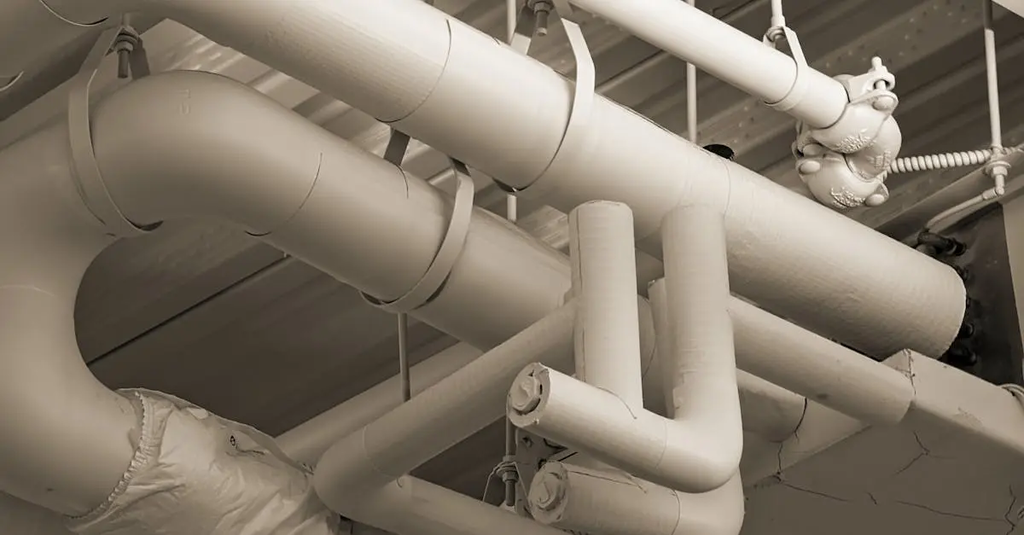
Thermal insulation and vapor control are essential aspects of construction technology aimed at improving energy efficiency and indoor comfort. Thermal insulation reduces heat transfer between the building’s interior and exterior, helping maintain stable indoor temperatures and lower energy costs. Vapor control involves using barriers or retarders to prevent moisture from penetrating walls, ceilings, or floors, which helps avoid condensation, mold growth, and structural damage. Together, these systems enhance building durability and occupant well-being.
Thermal Insulation and Vapor Control
Thermal insulation and vapor control are essential aspects of construction technology aimed at improving energy efficiency and indoor comfort. Thermal insulation reduces heat transfer between the building’s interior and exterior, helping maintain stable indoor temperatures and lower energy costs. Vapor control involves using barriers or retarders to prevent moisture from penetrating walls, ceilings, or floors, which helps avoid condensation, mold growth, and structural damage. Together, these systems enhance building durability and occupant well-being.
💡 Key Takeaways
- How insulation reduces heat transfer and lowers energy use.
- Common insulation materials and where to apply them.
- Vapor control basics to prevent condensation and moisture damage.
- When to use vapor barriers vs. vapor retarders and key installation considerations.
❓ Frequently Asked Questions
What is thermal insulation?
Thermal insulation slows heat transfer between indoors and outdoors, helping keep spaces comfortable and reducing energy use.
What does R-value mean and how does it affect performance?
R-value measures resistance to heat flow; higher values indicate better insulation. It depends on material type and thickness and is expressed in different units in different regions.
What is a vapor barrier/retarder and why is it important?
A vapor barrier retards the diffusion of water vapor through a wall or roof, reducing condensation, mold, and moisture damage. Placement depends on climate and wall design.
How can you ensure effective insulation and vapor control in a building?
Seal air leaks, select climate-appropriate materials, install insulation without gaps, and correctly place vapor barriers or permeable assemblies to allow drying.