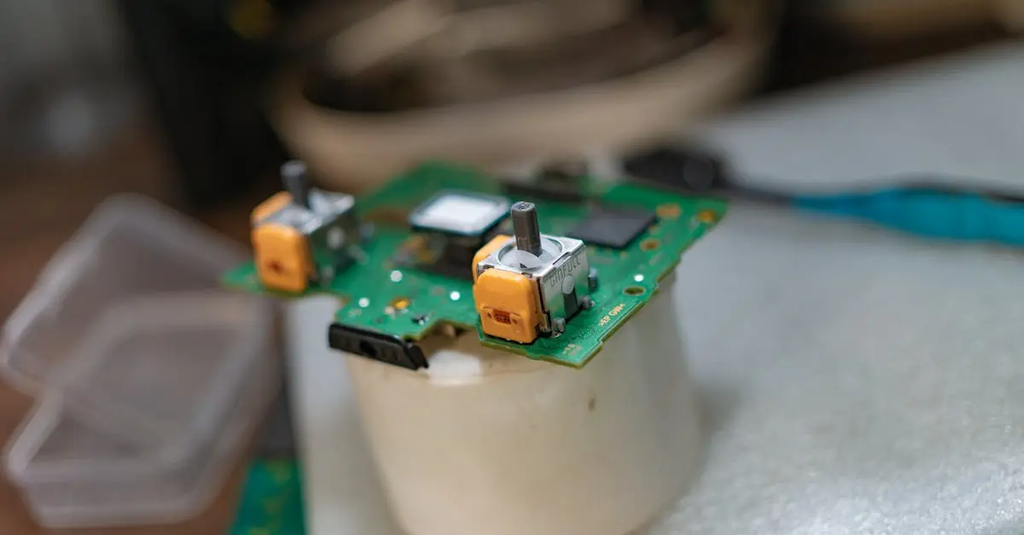
Thermal management for discrete semiconductors involves techniques and materials used to dissipate heat generated by electronic devices such as diodes, transistors, and integrated circuits. Effective thermal management ensures optimal performance, reliability, and longevity by preventing overheating, which can lead to device failure or reduced efficiency. Common methods include heat sinks, thermal pads, fans, and advanced packaging technologies that enhance heat transfer away from sensitive components within electronic circuits.
Thermal management for discrete semiconductors
Thermal management for discrete semiconductors involves techniques and materials used to dissipate heat generated by electronic devices such as diodes, transistors, and integrated circuits. Effective thermal management ensures optimal performance, reliability, and longevity by preventing overheating, which can lead to device failure or reduced efficiency. Common methods include heat sinks, thermal pads, fans, and advanced packaging technologies that enhance heat transfer away from sensitive components within electronic circuits.
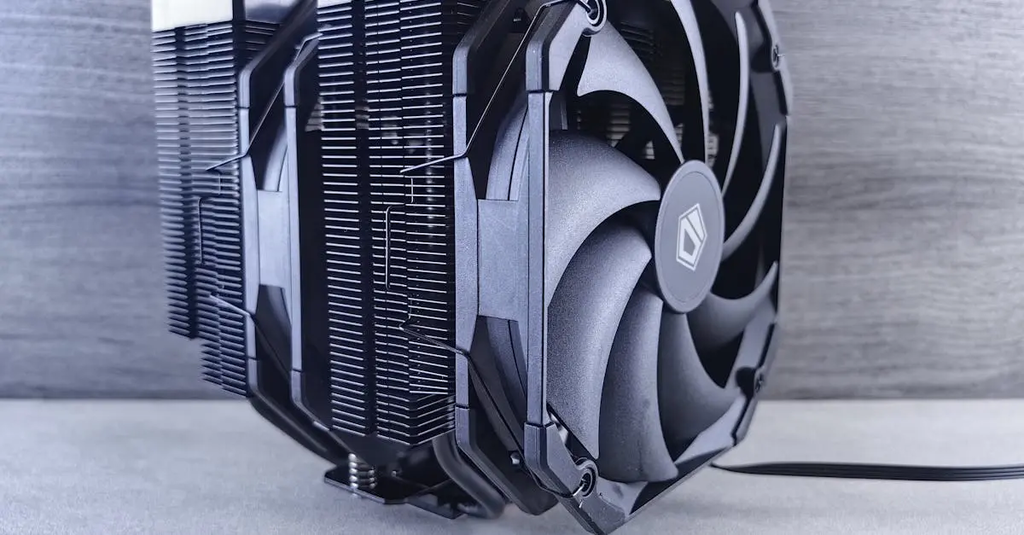
💡 Key Takeaways
- Identify heat sources in discrete semiconductors and why thermal management matters.
- Estimate junction temperature using ambient temperature, power dissipation, and thermal resistances.
- Compare passive cooling (heatsinks, pads) and active cooling (fans, forced convection) and when to use each.
- Apply design practices like PCB layout, thermal vias, material selection, and derating to improve thermal performance and reliability.
❓ Frequently Asked Questions
Why is thermal management important for discrete semiconductors?
Discrete semiconductors generate heat during operation. If the junction temperature exceeds its limit, reliability drops, performance can degrade, and failure may occur. Proper cooling keeps temperatures safe and extends device life.
What are the main ways to remove heat from a discrete semiconductor?
Use a heatsink to increase surface area, apply a thermal interface material (TIM) to reduce contact resistance, provide forced convection with a fan, and use board-level cooling (copper pours/heat spreaders). For high power, consider liquid cooling.
What is RθJA (junction-to-ambient) and how do you use it to predict temperature rise?
RθJA is the thermal resistance from the device’s junction to ambient. The junction temperature rise is ΔTj = P × RθJA. Knowing P and RθJA helps determine if the device stays below Tj(max). Lowering RθJA (e.g., with a heatsink) reduces ΔTj.
What is derating and why is it used in thermal management?
Derating means operating a device at less than its maximum rated power, especially at higher ambient temperatures, to keep the junction temperature safely below the limit. It improves reliability and extends device life.