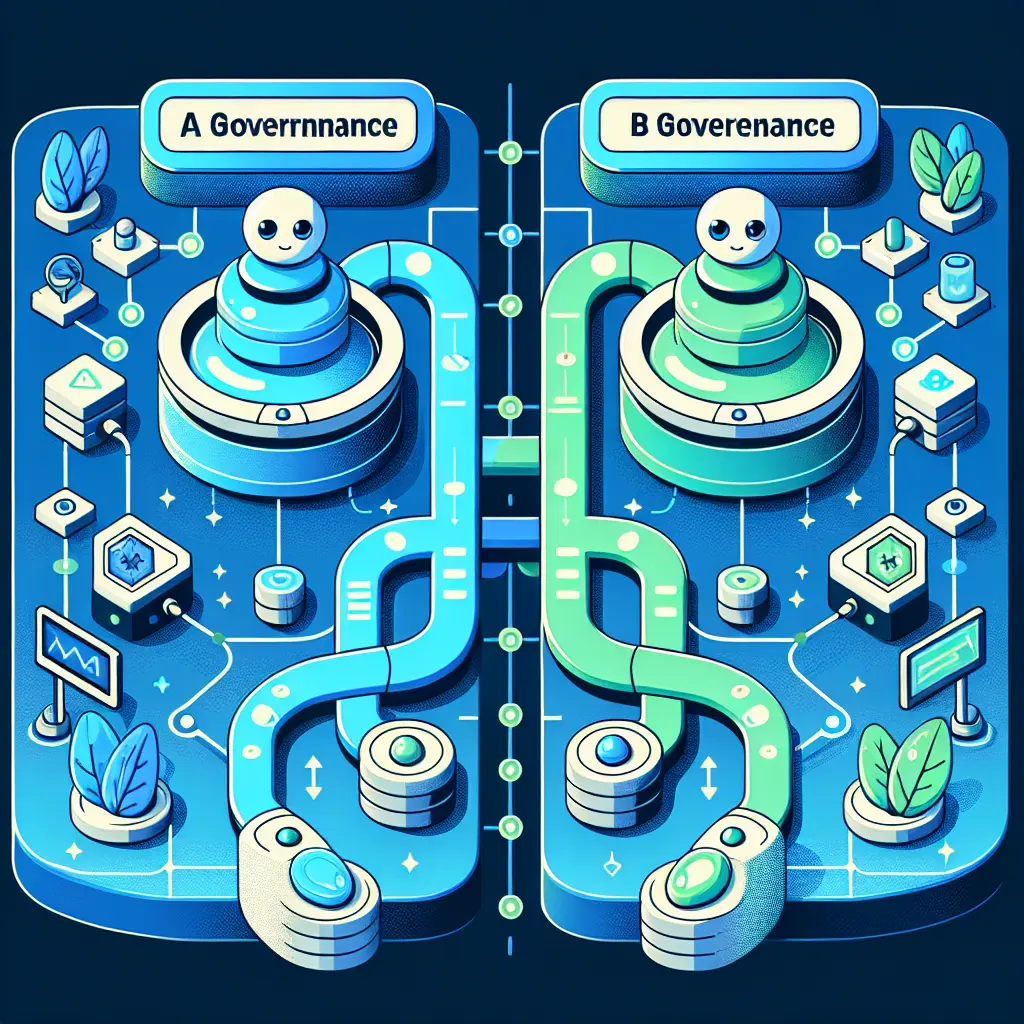
Third-party managed service oversight for AI refers to the process where an external organization supervises and monitors the implementation, operation, and performance of artificial intelligence systems. This oversight ensures compliance with regulations, ethical standards, and best practices. It helps organizations mitigate risks, maintain transparency, and improve accountability in AI deployment. By leveraging third-party expertise, companies can better manage complexities and potential biases associated with AI technologies.
Third-party managed service oversight for AI
Third-party managed service oversight for AI refers to the process where an external organization supervises and monitors the implementation, operation, and performance of artificial intelligence systems. This oversight ensures compliance with regulations, ethical standards, and best practices. It helps organizations mitigate risks, maintain transparency, and improve accountability in AI deployment. By leveraging third-party expertise, companies can better manage complexities and potential biases associated with AI technologies.

💡 Key Takeaways
- Define what third-party managed service oversight means for AI governance and control.
- Identify the roles and responsibilities of external providers in supervising AI systems (implementation, operation, performance).
- Explain regulatory, ethical, and risk-management considerations when outsourcing AI oversight.
- Describe practical oversight activities: monitoring, auditing, reporting, and incident response to maintain compliance and safety.
❓ Frequently Asked Questions
What is third-party managed service oversight for AI?
External organizations supervise the design, deployment, and operation of AI systems to ensure they meet performance, safety, regulatory, and ethical standards.
What does AI governance and control involve?
Policies, roles, and processes to oversee model development, data usage, risk management, auditing, and change control.
What are common elements of third-party oversight?
Contracts with clear SLAs, ongoing monitoring and audits, independent model validation, data governance, incident response plans, and transparent reporting.
How does third-party oversight support compliance and ethics?
It enforces regulatory requirements, privacy protections, bias mitigation, explainability, and accountability through independent checks and documentation.