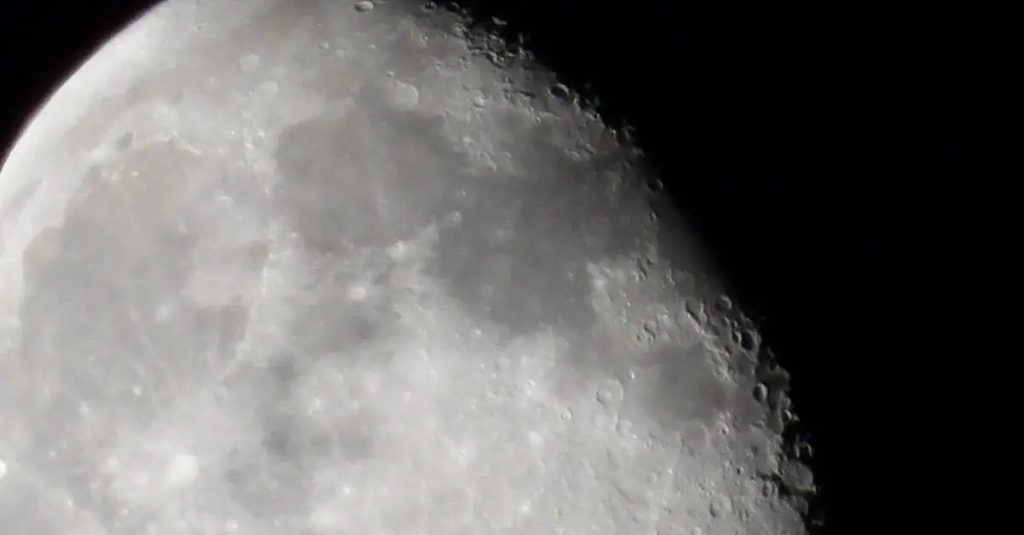
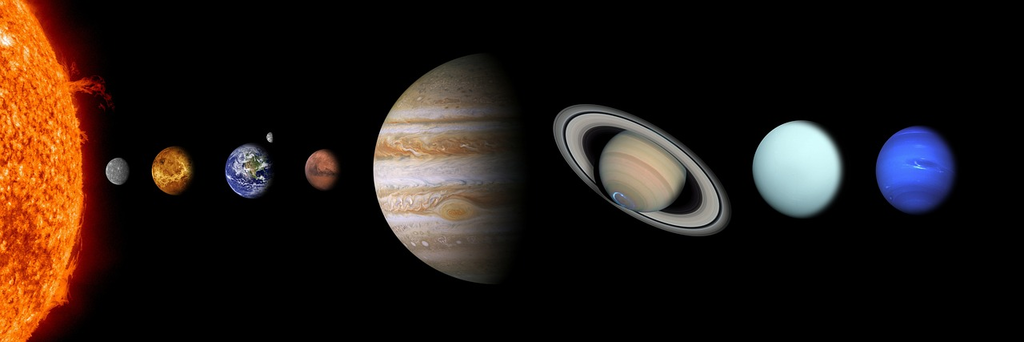
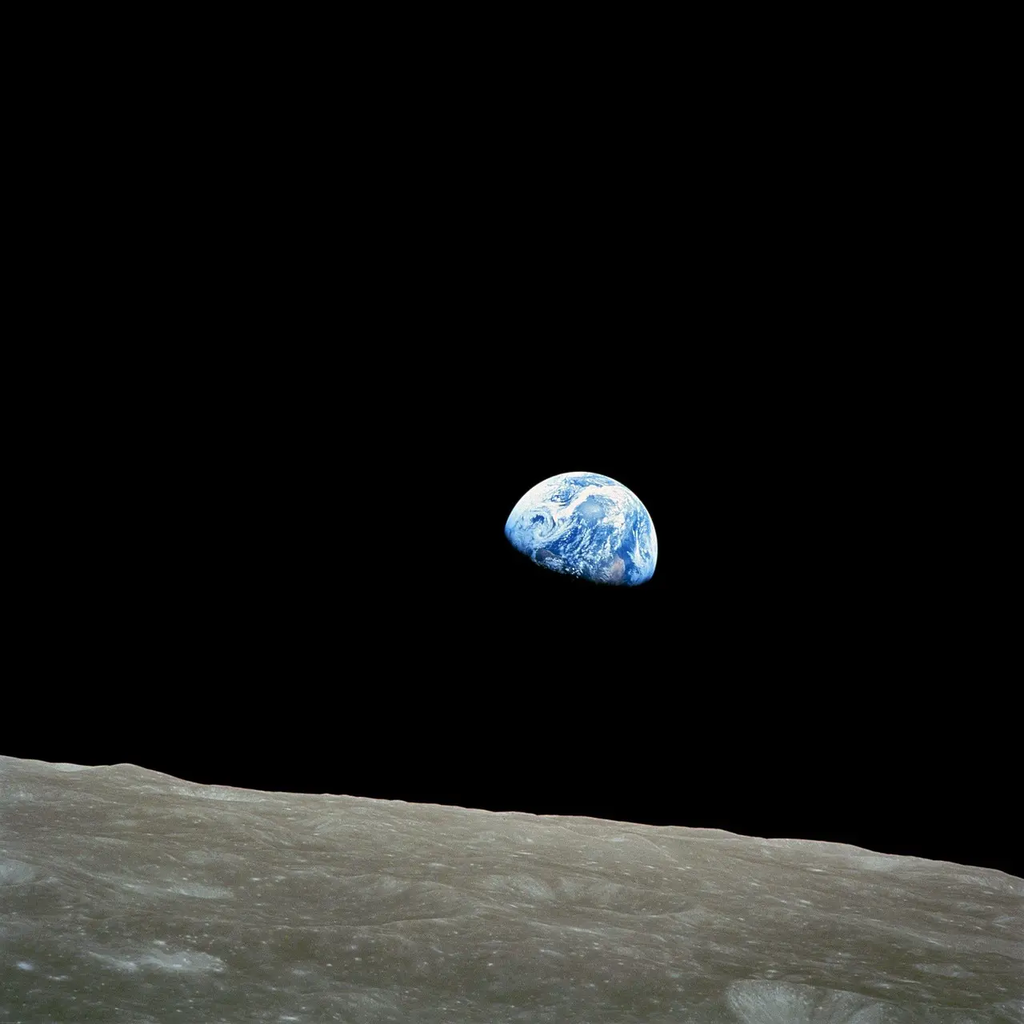
Tides are the regular rise and fall of sea levels on Earth, primarily caused by the gravitational pull of the Moon and, to a lesser extent, the Sun. As the Moon orbits Earth, its gravity pulls the water toward it, creating a bulge or high tide. On the opposite side, another high tide occurs due to inertia. The Sun’s gravity also influences tides, leading to variations such as spring and neap tides.
Tides and Their Causes
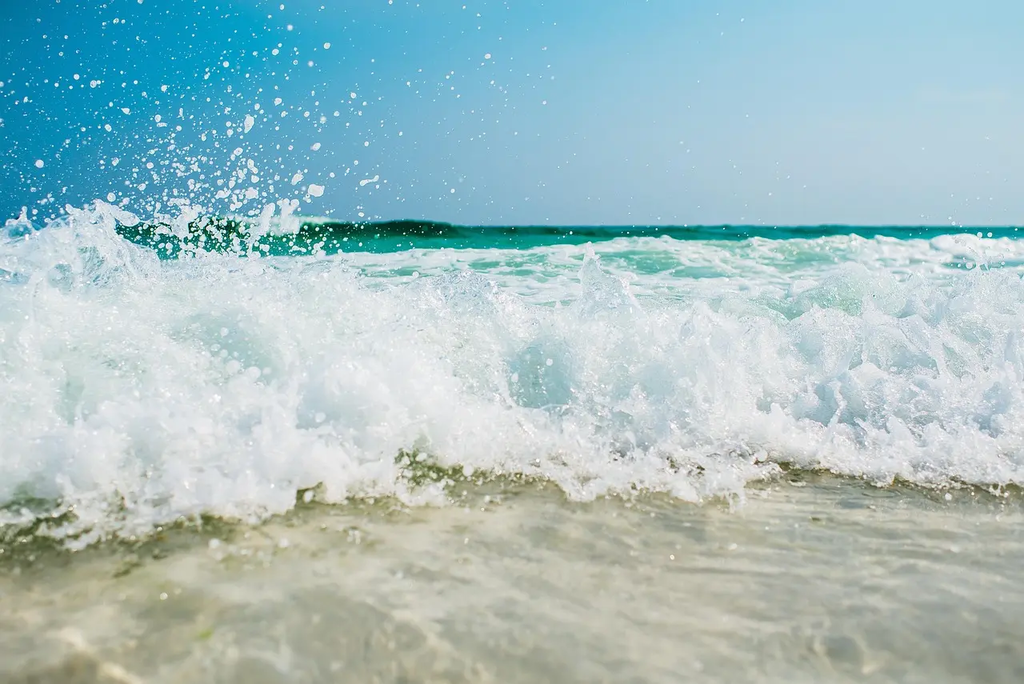
Tides are the regular rise and fall of sea levels on Earth, primarily caused by the gravitational pull of the Moon and, to a lesser extent, the Sun. As the Moon orbits Earth, its gravity pulls the water toward it, creating a bulge or high tide. On the opposite side, another high tide occurs due to inertia. The Sun’s gravity also influences tides, leading to variations such as spring and neap tides.
💡 Key Takeaways
- Understand what tides are and the basic mechanism behind ocean bulges caused by gravity.
- Learn how the Moon's gravity and the Sun's gravity interact to create high and low tides.
- Recognize the concepts of spring tides and neap tides and when they occur.
- Identify factors that affect tidal range, including coastline shape, ocean depth, and Earth's rotation.
❓ Frequently Asked Questions
What causes tides?
Tides are caused by the gravity of the Moon and the Sun acting on Earth's oceans. The Moon’s gravity creates bulges on the near and far sides of Earth, and as the planet rotates, you experience high and low tides.
What are spring tides and neap tides?
Spring tides occur when the Sun, Moon, and Earth are aligned, producing higher high tides and lower low tides. Neap tides happen when the Sun and Moon are at right angles to Earth, resulting in lower high tides and higher low tides.
Why do tides vary in height from place to place?
Local factors such as coastline shape, ocean floor depth, and seabed features amplify or dampen tides, so different locations can have very different tidal ranges.
How does the Sun influence tides compared to the Moon?
The Sun also pulls on Earth's oceans and contributes to tides. Its effect is weaker than the Moon's individually, but when aligned with the Moon, it increases tide heights; when at a right angle, it reduces them.