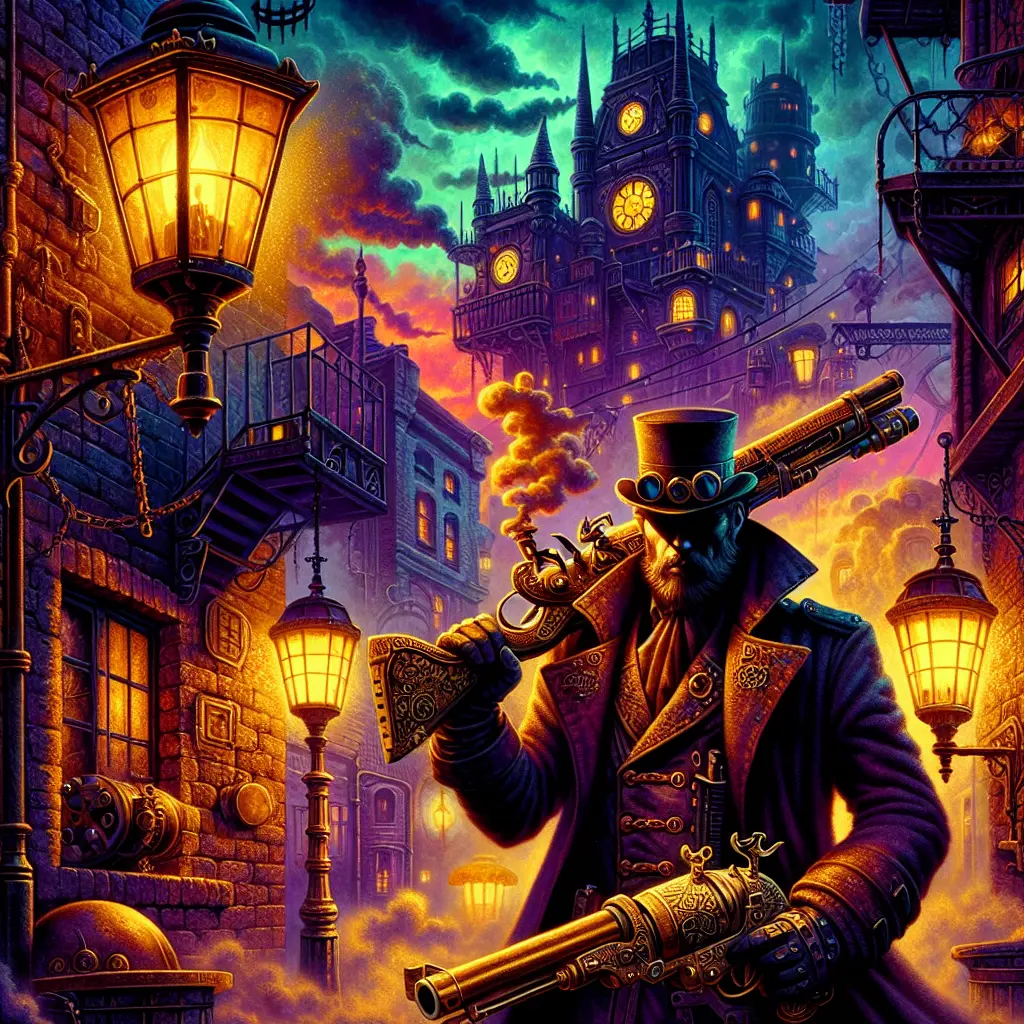
Time magic refers to the manipulation of time, such as traveling to the past or future, accelerating or reversing events, or freezing moments. Causality paradoxes arise when these actions disrupt the normal sequence of cause and effect, leading to contradictions like the grandfather paradox, where changing the past could prevent one's own existence. Such paradoxes challenge logical consistency and raise questions about fate, free will, and the fundamental nature of reality.
Time Magic & Causality Paradoxes
Time magic refers to the manipulation of time, such as traveling to the past or future, accelerating or reversing events, or freezing moments. Causality paradoxes arise when these actions disrupt the normal sequence of cause and effect, leading to contradictions like the grandfather paradox, where changing the past could prevent one's own existence. Such paradoxes challenge logical consistency and raise questions about fate, free will, and the fundamental nature of reality.
💡 Key Takeaways
- Differentiate time manipulation methods (time travel, time dilation, freezing) and their narrative implications.
- Explain causality paradoxes such as the grandfather paradox and why they threaten cause-and-effect consistency.
- Explore world-building strategies used to resolve paradoxes (immutable past, branching timelines, or parallel universes).
- Learn to analyze time-travel scenarios for logical coherence and potential paradoxes in fantasy stories.
❓ Frequently Asked Questions
What is time magic?
Time magic refers to abilities that manipulate time—travel to past or future, speed up or slow down events, or freeze moments—in fantasy settings.
What is a causality paradox?
A causality paradox occurs when manipulating time creates contradictions in cause and effect, such as actions that would negate the time travel in the first place.
What is the grandfather paradox?
A classic paradox where a time traveler goes back and prevents their grandparent from meeting, which could prevent the traveler's own birth and create a logical contradiction.
What timeline models are commonly used in fiction?
Common models include fixed timelines (history cannot be changed), branching timelines (changes create alternate realities), and bootstrap/paradox loops (events that loop back to cause themselves).
How can writers handle time-travel paradoxes in world-building?
Define clear rules, limit time-travel options, and implement safeguards or consequences to maintain internal consistency and avoid contradictions.