Time Value of Money (TVM) is a financial concept stating that a sum of money has greater value now than the same amount in the future, due to its potential earning capacity. This principle underlies the idea that money can earn interest or investment returns over time. TVM is fundamental to finance, influencing decisions on loans, investments, and savings by accounting for interest rates, inflation, and the opportunity cost of capital.
Time Value of Money (TVM) Basics
Time Value of Money (TVM) is a financial concept stating that a sum of money has greater value now than the same amount in the future, due to its potential earning capacity. This principle underlies the idea that money can earn interest or investment returns over time. TVM is fundamental to finance, influencing decisions on loans, investments, and savings by accounting for interest rates, inflation, and the opportunity cost of capital.

💡 Key Takeaways
- Understand that money today is worth more than the same amount in the future because it can earn returns.
- Learn the ideas of present value and future value and how time and rate change their size.
- See how compounding frequency and interest rate affect TVM outcomes.
- Apply TVM to common decisions like saving, borrowing, and investing.
❓ Frequently Asked Questions
What is Time Value of Money (TVM)?
TVM is the idea that money now is worth more than the same amount later because it can earn interest or returns over time.
What are Present Value (PV) and Future Value (FV) in TVM?
Present Value is the current worth of a future sum; Future Value is what current money will be worth after earning interest. Formulas: PV = FV / (1+i)^n and FV = PV*(1+i)^n.
How does compounding affect TVM?
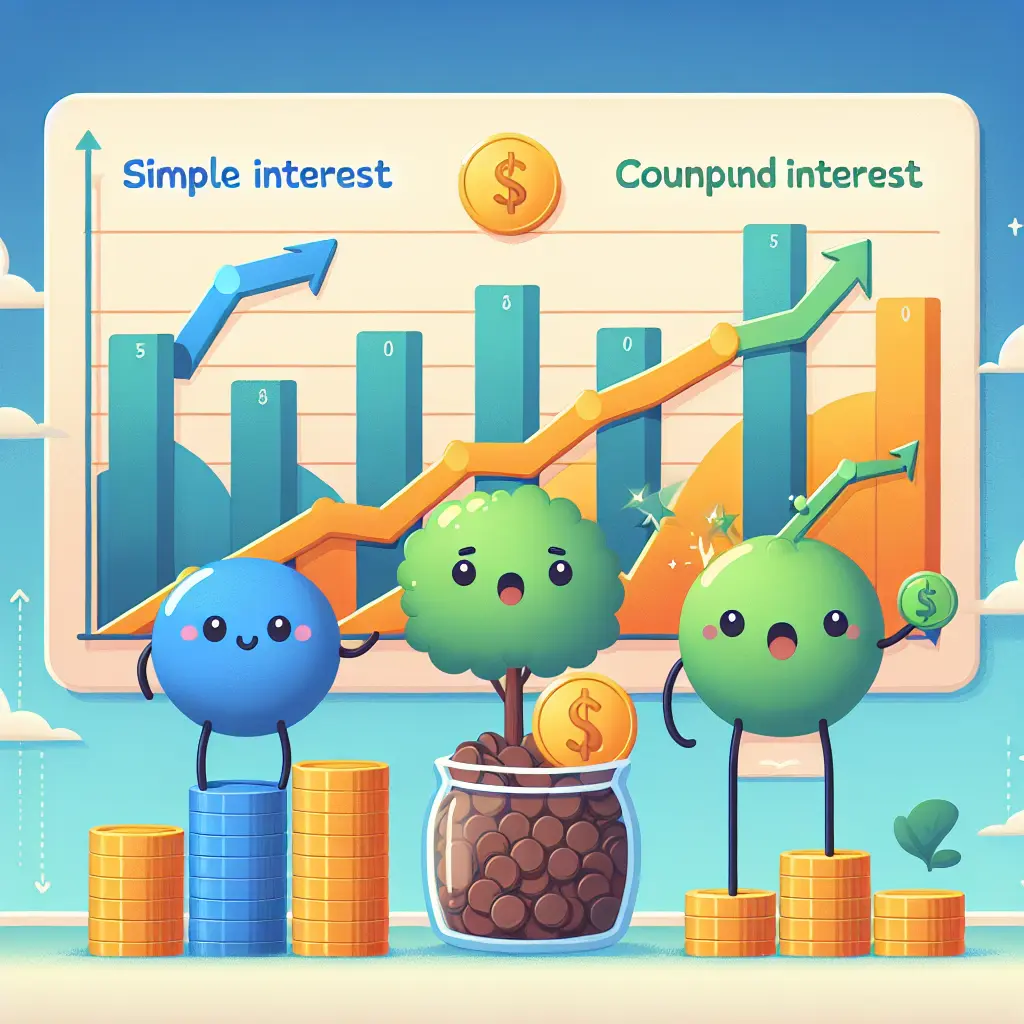
Compounding earns interest on previously earned interest, so more frequent compounding or higher rates lead to a higher future value.
Why is TVM important for investments and loans?
TVM lets you compare options by translating future cash flows to a common point in time (present value) and making decisions based on rate of return and the cost of money.