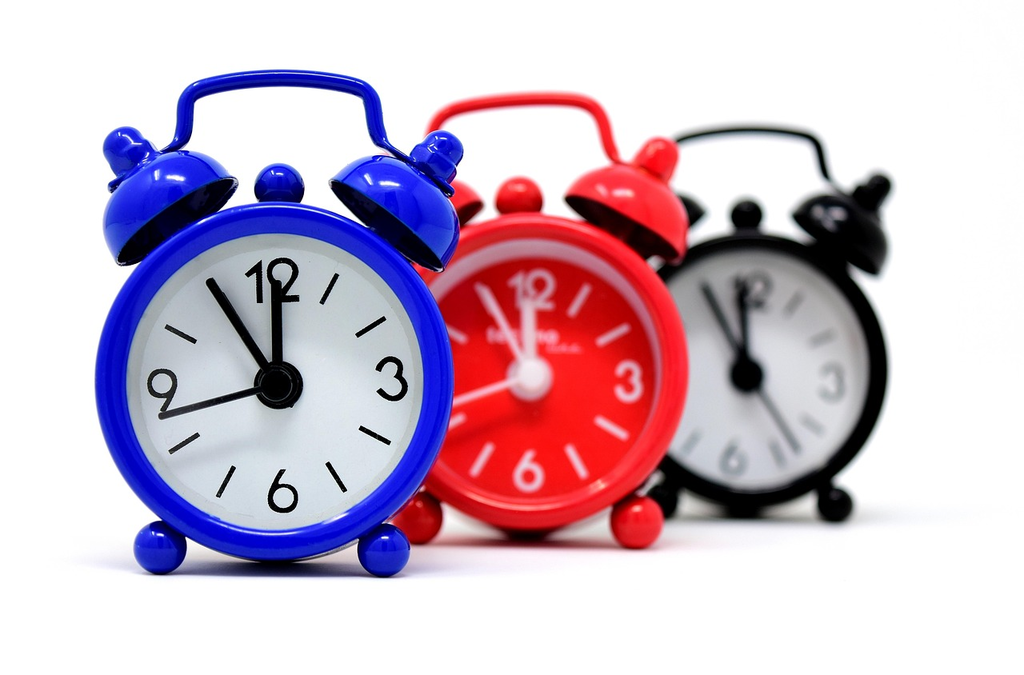
"Time Zones and Clocks" refers to the essential concept of dividing the world into different regions, each with its own standard time, to coordinate daily activities across the globe. Clocks are crucial tools for measuring and displaying time within these zones, ensuring synchronization in communication, travel, and business. Understanding time zones and clocks is fundamental for managing schedules, international interactions, and maintaining the rhythm of modern life.
Time Zones and Clocks
"Time Zones and Clocks" refers to the essential concept of dividing the world into different regions, each with its own standard time, to coordinate daily activities across the globe. Clocks are crucial tools for measuring and displaying time within these zones, ensuring synchronization in communication, travel, and business. Understanding time zones and clocks is fundamental for managing schedules, international interactions, and maintaining the rhythm of modern life.

💡 Key Takeaways
- Understand what a time zone is and why time is standardized worldwide.
- Learn how to convert times between time zones using UTC as a reference.
- Identify daylight saving time and how it shifts clocks in participating regions.
- Anticipate common cross-zone scheduling issues like date changes and the International Date Line.
❓ Frequently Asked Questions
What is a time zone?
A time zone is a region that uses the same standard time, usually based on a specific offset from Coordinated Universal Time (UTC) and aligned with longitude and local boundaries.
What is UTC and how does it relate to local time?
UTC is the global reference time at 0° longitude. Local time equals UTC plus the area's offset; daylight saving rules can make local time differ seasonally.
How does Daylight Saving Time affect clocks?
In DST regions, clocks are set one hour forward in spring and one hour back in autumn, changing local time but not UTC.
Why do some time zones have non-hour offsets?
Some regions use half- or quarter-hour offsets (for example UTC+5:30 or UTC+5:45) due to historical, geographic, or political reasons.