Timing solids around naps and bottles refers to strategically scheduling a child’s solid food meals in relation to their milk feeds and sleep routines. This approach ensures the child receives balanced nutrition while promoting healthy sleep patterns. Proper timing helps avoid overfeeding or hunger, supports digestion, and can ease the transition during night weaning by gradually reducing nighttime milk feeds as daytime nutrition from solids increases.
Timing solids around naps and bottles
Timing solids around naps and bottles refers to strategically scheduling a child’s solid food meals in relation to their milk feeds and sleep routines. This approach ensures the child receives balanced nutrition while promoting healthy sleep patterns. Proper timing helps avoid overfeeding or hunger, supports digestion, and can ease the transition during night weaning by gradually reducing nighttime milk feeds as daytime nutrition from solids increases.

💡 Key Takeaways
- Understand how timing solids around naps and bottle feeds can affect sleep, digestion, and appetite.
- Learn readiness cues for starting solids and how to plan the first foods around your baby's bottle schedule.
- Explore a simple starter routine: offer solids after a bottle when the baby is rested and showing hunger cues.
- Know how to adapt timing as nap patterns, bottle intake, and growth alter feeding needs.
❓ Frequently Asked Questions
When is it appropriate to start solids, especially around naps and bottle feeds?
Most babies are ready to start solids around 4–6 months. Look for readiness signs (good head control, ability to sit with support, interest in foods) and continue milk (breast or formula) as the main nutrition.
Should solids be offered before or after a bottle, and how should I space them around naps?
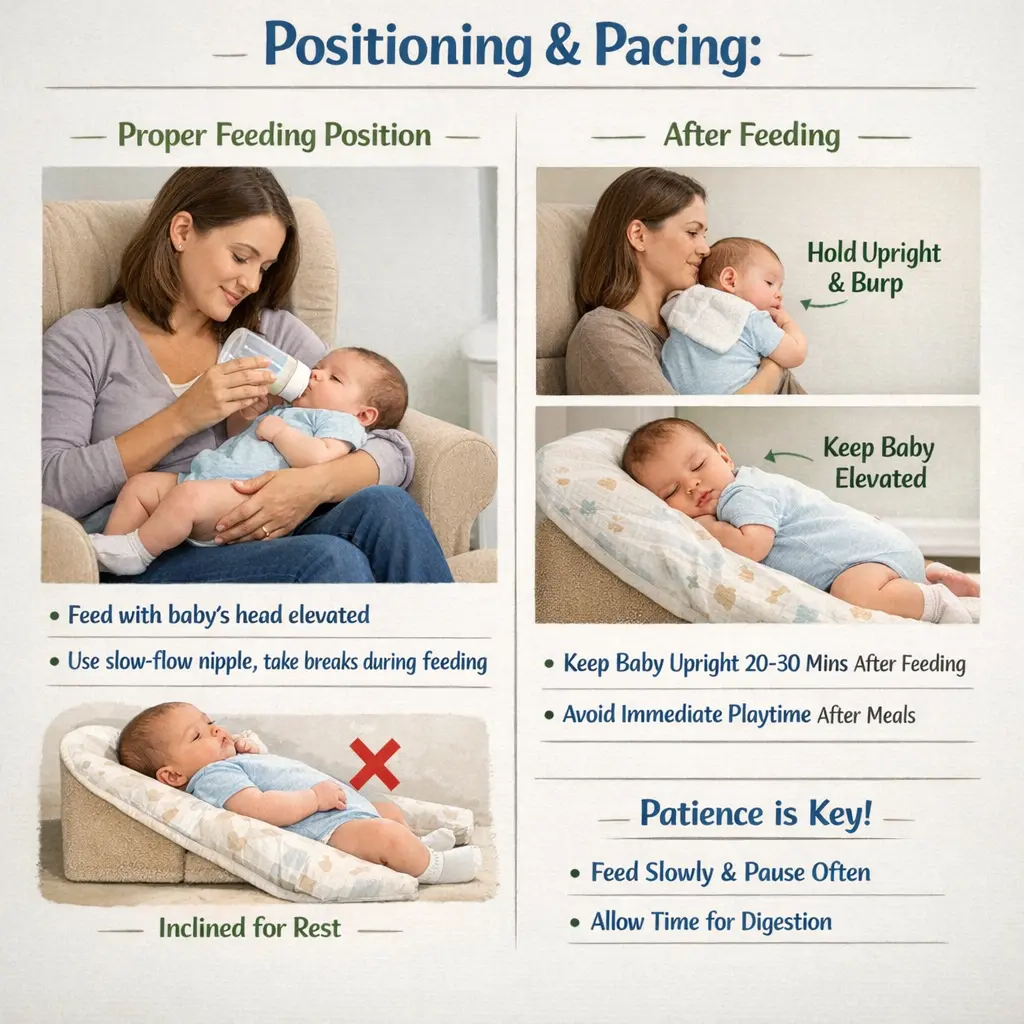
Offer solids after a milk feed and when the baby is awake and not too tired. Schedule meals between bottle feeds and avoid solids right before a nap or bedtime; wait about 15–30 minutes after a bottle before starting solids.
What should I serve as a first solid, and how should I introduce new foods?
Start with tiny portions of iron‑rich, single‑ingredient foods (e.g., iron‑fortified cereal or pureed vegetables). Introduce one new food at a time and wait 3–5 days before trying another to watch for reactions.
What safety and allergy-monitoring tips should I keep in mind when timing solids around naps and bottles?
Always supervise and keep the baby upright while eating. Never prop a bottle or feed solids from a bottle. Start with small portions and progress slowly; introduce one new food at a time and watch for signs of intolerance or allergy.