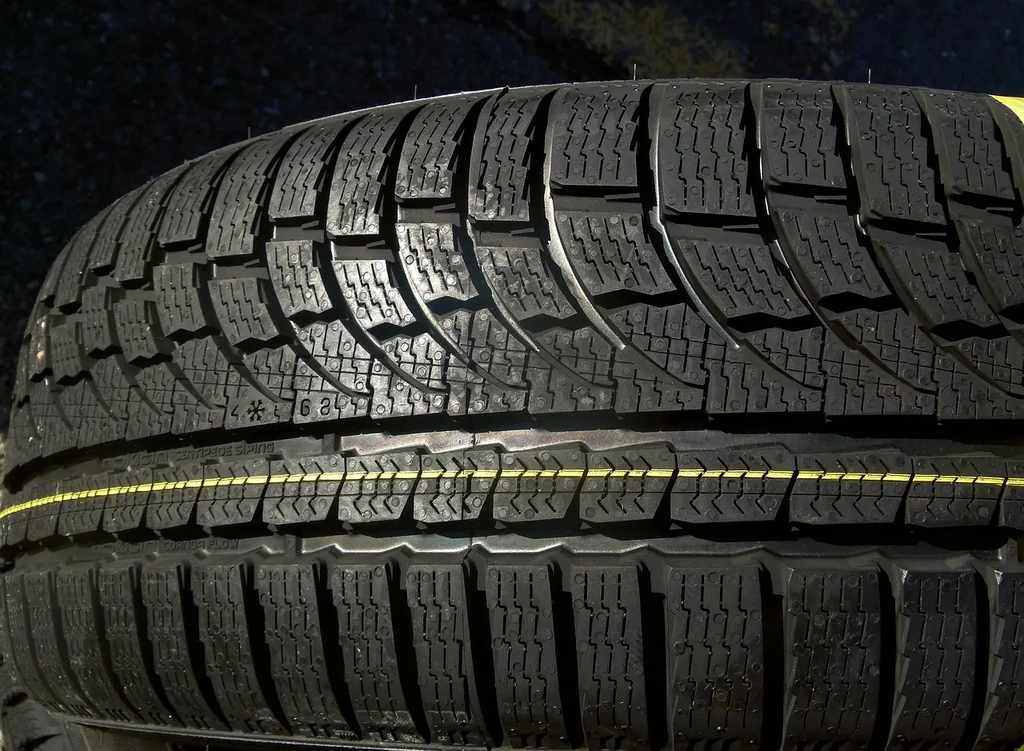
Tire pressure and tread checks are essential maintenance tasks for vehicle safety and performance. Regularly inspecting tire pressure ensures that tires are inflated to the manufacturer’s recommended levels, which improves fuel efficiency, handling, and tire lifespan. Checking tread depth helps identify worn tires that may compromise traction, especially in wet or slippery conditions. Together, these checks help prevent blowouts, uneven wear, and accidents, contributing to a safer driving experience.
Tire Pressure and Tread Checks
Tire pressure and tread checks are essential maintenance tasks for vehicle safety and performance. Regularly inspecting tire pressure ensures that tires are inflated to the manufacturer’s recommended levels, which improves fuel efficiency, handling, and tire lifespan. Checking tread depth helps identify worn tires that may compromise traction, especially in wet or slippery conditions. Together, these checks help prevent blowouts, uneven wear, and accidents, contributing to a safer driving experience.
💡 Key Takeaways
- Explain how correct tire pressure impacts safety, fuel efficiency, handling, and tire life.
- Learn the steps to check tire pressure using a gauge and where to find the recommended PSI (vehicle door placard and tire sidewall).
- Understand how to assess tread depth, what minimum depths indicate, and when tires should be replaced.
- Recognize common signs of uneven wear or damage and how to maintain tires through regular checks.
❓ Frequently Asked Questions
Why is it important to keep tire pressure at the manufacturer's recommended level?
Proper inflation improves fuel efficiency, handling, and tire life, and reduces the risk of blowouts. Check cold tires and use the PSI listed on the door jamb label or in the owner's manual.
How do I check tread depth and know when to replace tires?
Use a tread depth gauge or the penny test: insert the gauge into the groove or place a penny with Lincoln's head down. If you can see Lincoln's head or the tread wears to 2/32 inch, replace the tire.
How often should I check tire pressure and tread?
Check tire pressure at least monthly and before long trips when the tires are cold. Inspect tread wear regularly and check the spare tire as well.
What maintenance steps help tires last longer and stay safe besides checks?
Rotate tires every 5,000–7,500 miles, have wheels aligned if wear is uneven, and replace tires when tread is worn down to the minimum.