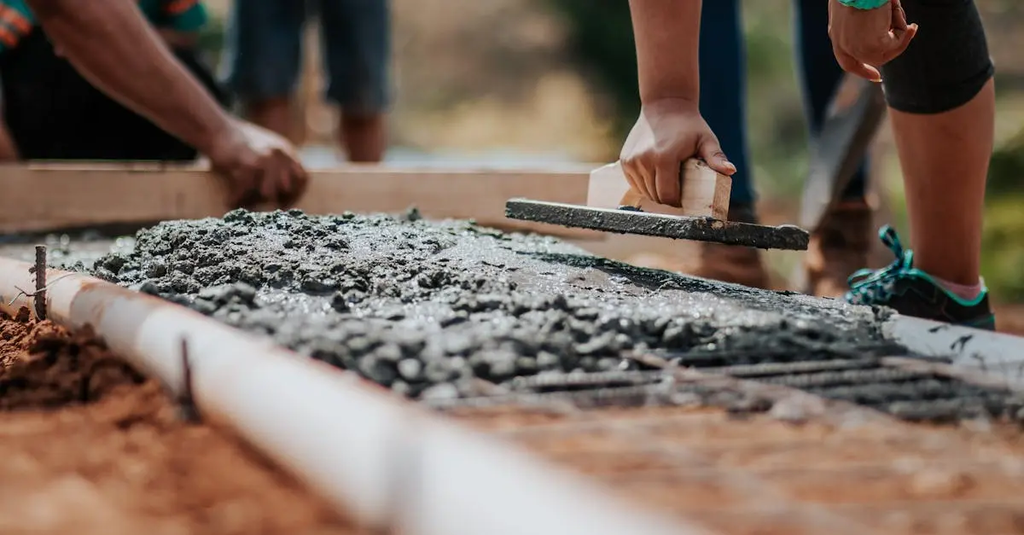
Top-down construction is a building method where the superstructure and substructure are constructed simultaneously, allowing for faster project completion and efficient use of space. Underpinning refers to strengthening or stabilizing an existing building’s foundation, often necessary when new construction affects neighboring structures. Both techniques are integral in urban environments, enabling deep basements or underground levels while maintaining structural integrity and minimizing disruption to surrounding buildings.
Top-Down Construction and Underpinning
Top-down construction is a building method where the superstructure and substructure are constructed simultaneously, allowing for faster project completion and efficient use of space. Underpinning refers to strengthening or stabilizing an existing building’s foundation, often necessary when new construction affects neighboring structures. Both techniques are integral in urban environments, enabling deep basements or underground levels while maintaining structural integrity and minimizing disruption to surrounding buildings.
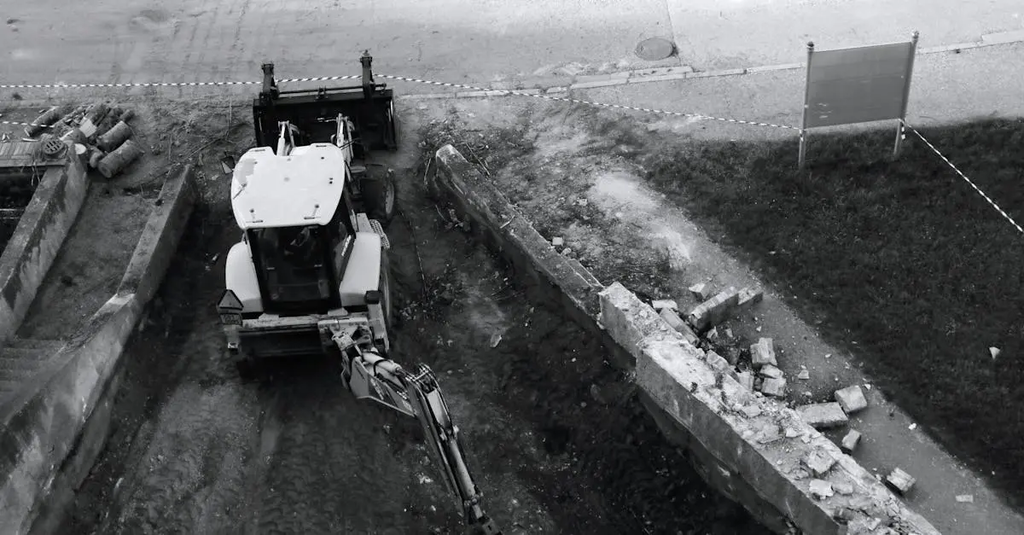
💡 Key Takeaways
- Understand the concept of top-down construction and how the superstructure and basement are constructed concurrently.
- Learn the typical sequence of a top-down project, including excavation support and the erection of permanent works.
- Explain underpinning methods used to strengthen or extend existing foundations and identify when underpinning is required.
- Recognize the advantages, limitations, and safety considerations of top-down construction in urban settings.
❓ Frequently Asked Questions
What is top-down construction?
A method where the building’s upper levels are constructed first, and basement or lower levels are created later by excavating beneath the existing structure, using the completed upper frame to support loads during excavation.
What is underpinning?
A technique to strengthen or stabilize a foundation by extending its depth or redistributing loads, typically using new footings, piles, or other supports to reach stable bearing.
How do top-down construction and underpinning relate?
Top-down methods may require underpinning to support existing foundations during excavation for basements, ensuring safety as lower levels are formed.
When is top-down construction typically used?
In tight sites or near existing structures where basements or deep excavations are needed, allowing upper floors to be built while ground is prepared below.
What are common challenges in these methods?
Managing temporary supports, ensuring soil and groundwater control, maintaining structural stability during sequencing, and handling higher complexity and cost.