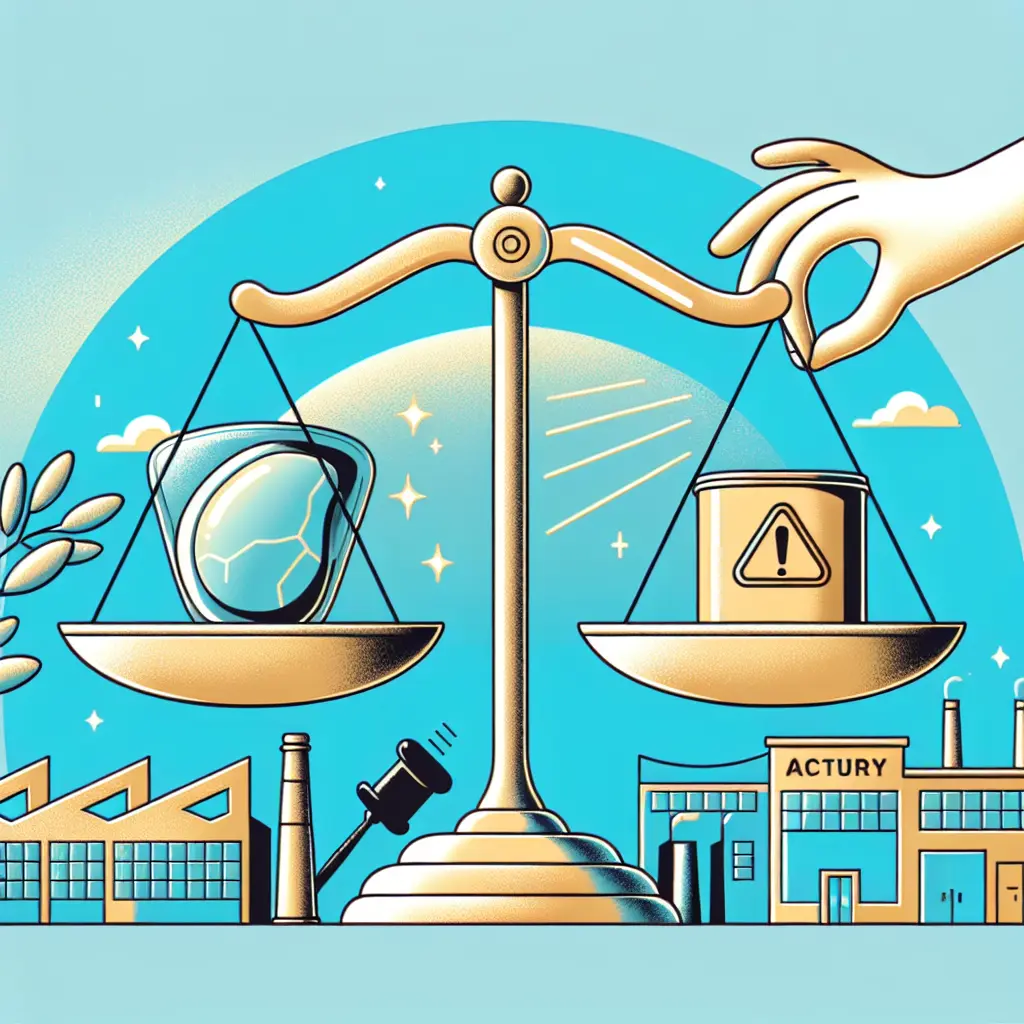
Torts, negligence, and product liability are key concepts in civil law. A tort is a wrongful act causing harm to another, leading to legal liability. Negligence refers to the failure to exercise reasonable care, resulting in damage or injury. Product liability holds manufacturers or sellers responsible for defective products that cause harm. Together, these principles protect individuals from harm and ensure accountability for unsafe actions or products in society.
Torts, Negligence & Product Liability
Torts, negligence, and product liability are key concepts in civil law. A tort is a wrongful act causing harm to another, leading to legal liability. Negligence refers to the failure to exercise reasonable care, resulting in damage or injury. Product liability holds manufacturers or sellers responsible for defective products that cause harm. Together, these principles protect individuals from harm and ensure accountability for unsafe actions or products in society.
💡 Key Takeaways
- Define torts and distinguish between intentional torts, negligence, and strict liability.
- Explain the four elements of negligence: duty, breach, causation, and damages.
- Describe product liability theories—negligence, strict liability, and breach of warranty—and how they apply in real cases.
- Identify common defenses in negligence and product liability claims and the typical remedies and limitations.
❓ Frequently Asked Questions
What is a tort?
A tort is a civil wrong that causes harm to a person or property and can lead to a lawsuit for damages, not a criminal offense.
What are the four elements of a negligence claim?
Duty of care, breach of that duty, causation (actual and proximate), and damages.
What is product liability?
Product liability is the legal responsibility of manufacturers and sellers for injuries or damages caused by defective or unsafe products, potentially arising under negligence, strict liability, or breach of warranty.
How does strict liability differ from negligence in product liability?
Strict liability holds manufacturers liable for defects regardless of fault, often for design, manufacturing, or warning defects; negligence requires proving duty, breach, causation, and damages due to the defendant's conduct.