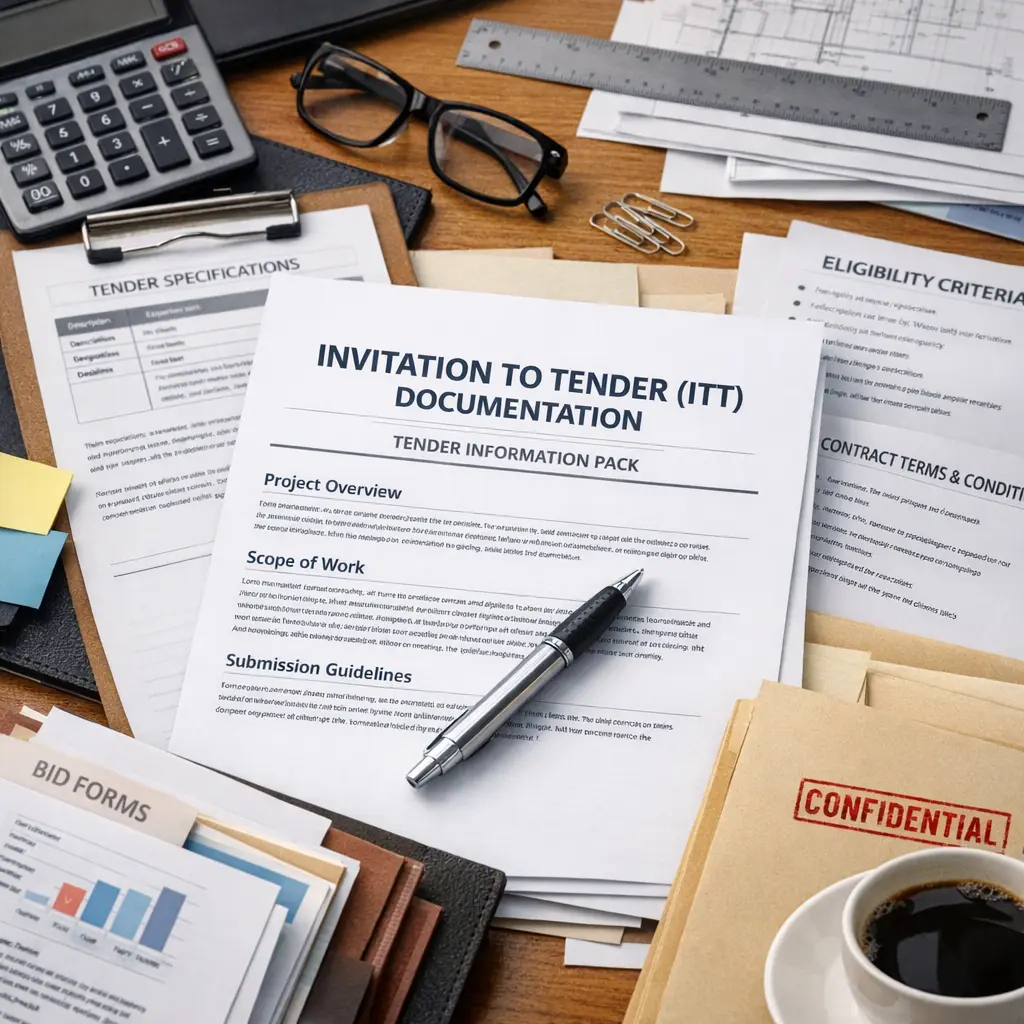
Total Cost of Ownership Analysis (Tender & Procurement) is a comprehensive evaluation process used during procurement to assess all direct and indirect costs associated with acquiring, operating, maintaining, and disposing of a product or service over its entire lifecycle. This analysis helps organizations make informed purchasing decisions by considering not just the initial purchase price, but also ongoing costs such as maintenance, support, training, and eventual disposal, ensuring long-term value and cost-effectiveness.
Total Cost of Ownership Analysis
Total Cost of Ownership Analysis (Tender & Procurement) is a comprehensive evaluation process used during procurement to assess all direct and indirect costs associated with acquiring, operating, maintaining, and disposing of a product or service over its entire lifecycle. This analysis helps organizations make informed purchasing decisions by considering not just the initial purchase price, but also ongoing costs such as maintenance, support, training, and eventual disposal, ensuring long-term value and cost-effectiveness.
💡 Key Takeaways
- Define Total Cost of Ownership (TCO) and why it matters beyond the upfront price.
- Identify and categorize TCO components such as purchase price, operating costs, maintenance, downtime, training, disposal, and taxes.
- Learn methods to calculate TCO, including selecting a time horizon, applying discounting, and collecting reliable data.
- Use TCO to compare alternatives and make informed procurement decisions, including performing sensitivity analysis.
❓ Frequently Asked Questions
What is Total Cost of Ownership (TCO) analysis?
A method to estimate all costs associated with owning and using an asset over its life, not just the upfront price.
What costs are included in TCO?
Purchase price, financing, installation, maintenance, energy, consumables, labor, downtime, upgrades, support, training, and end-of-life disposal or resale.
How does TCO differ from the purchase price?
Purchase price is the initial outlay. TCO adds ongoing and hidden costs over the asset’s life to show true long-term cost.
How do you calculate TCO (simple approach)?
List all cost categories, estimate annual costs, multiply by the asset’s lifespan, and sum them. For comparison, consider present value or net cost of ownership.
Why is TCO analysis useful in decision making?
It reveals true long-term costs, helps compare options, reduces surprises, and supports budgeting and ROI assessments.