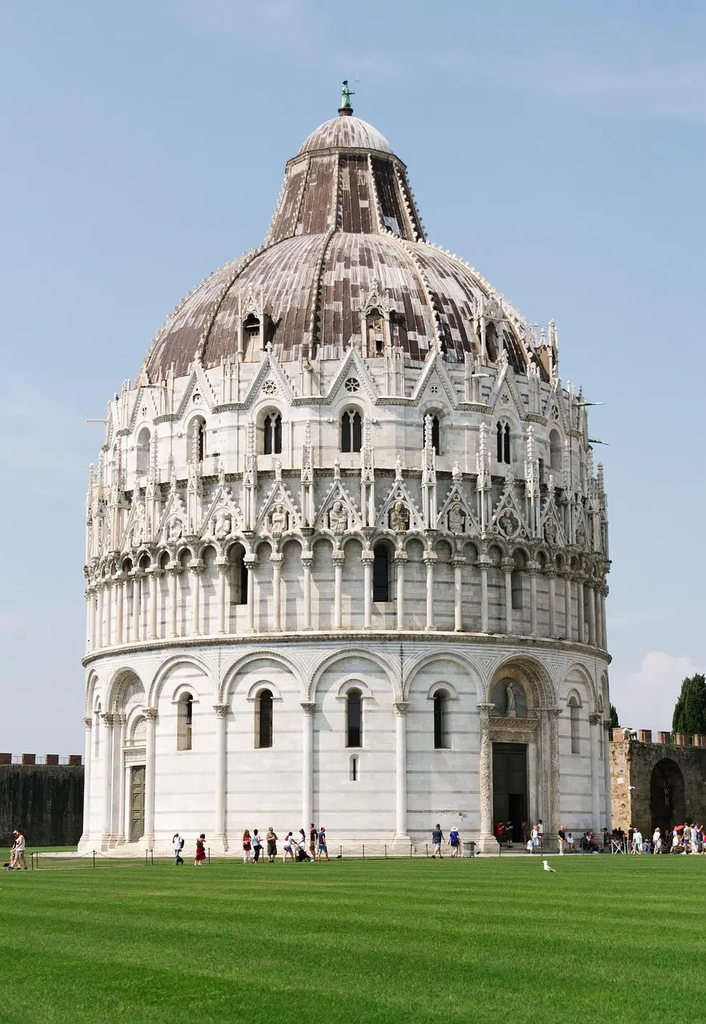
The Tower of Pisa, also known as the Leaning Tower of Pisa, is a famous freestanding bell tower located in Pisa, Italy. Renowned for its unintended tilt caused by unstable foundation soil, it is a remarkable example of medieval European architecture. Built in the 12th century, the tower is part of the cathedral complex known as the Piazza dei Miracoli and attracts millions of tourists each year for its unique appearance and historical significance.
Tower of Pisa
The Tower of Pisa, also known as the Leaning Tower of Pisa, is a famous freestanding bell tower located in Pisa, Italy. Renowned for its unintended tilt caused by unstable foundation soil, it is a remarkable example of medieval European architecture. Built in the 12th century, the tower is part of the cathedral complex known as the Piazza dei Miracoli and attracts millions of tourists each year for its unique appearance and historical significance.
💡 Key Takeaways
- Understand why the Leaning Tower of Pisa began to tilt and the historical factors involved
- Identify the tower's Romanesque architectural features and structural design
- Explore the engineering methods used to stabilize and preserve the tower
- Recognize the tower's cultural significance and its impact on tourism and UNESCO heritage
❓ Frequently Asked Questions
What is the Leaning Tower of Pisa and where is it located?
A freestanding bell tower that is part of Pisa's cathedral complex in the Piazza dei Miracoli, Pisa, Italy; it is famous for its unintended tilt.
Why does it lean, and when did the tilt begin?
It sits on soft ground that settled unevenly; construction began in the 12th century and the tilt started during building, worsening over time.
How tall is the tower and how far does it lean today?
The tower is about 57 meters tall and currently leans by roughly 4 degrees, causing a top offset of several meters.
What has been done to stabilize it and is it safe to visit?
Stabilization (1990s–2000s) involved soil adjustments and counterweights, reducing the tilt and making it safe for visitors; it is open to tourists with ongoing maintenance.