Track and Field World Records (Sports Legends) refers to the exceptional achievements set by athletes in various track and field events, such as sprints, distance runs, jumps, and throws. These records represent the best performances ever recorded in the sport’s history, often achieved by legendary athletes. They serve as benchmarks of human capability, inspiring current and future competitors to push their limits and strive for greatness on the global stage.
Track and Field World Records
Track and Field World Records (Sports Legends) refers to the exceptional achievements set by athletes in various track and field events, such as sprints, distance runs, jumps, and throws. These records represent the best performances ever recorded in the sport’s history, often achieved by legendary athletes. They serve as benchmarks of human capability, inspiring current and future competitors to push their limits and strive for greatness on the global stage.
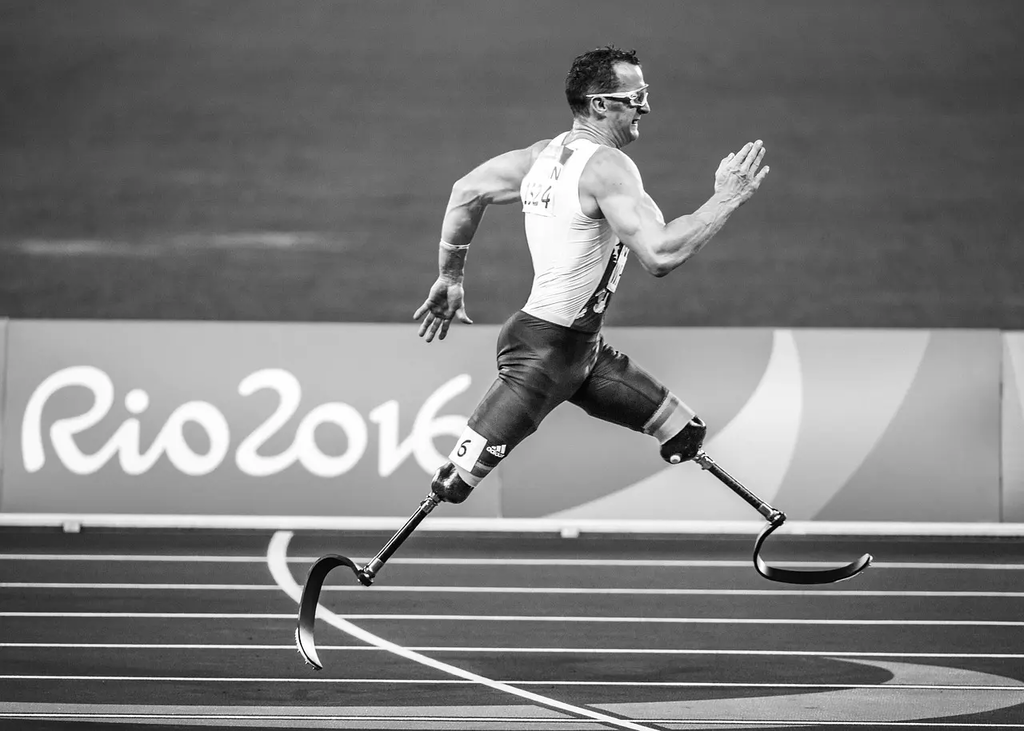
💡 Key Takeaways
- Identify the current official outdoor and indoor track and field world records recognized by World Athletics.
- Understand the rules that validate a world record, including wind limits, timing methods, and whether the event is indoor or outdoor.
- Learn how wind, track surfaces, and equipment influence sprint and jump records and why wind gauges matter.
- Explore how world records have evolved over time and who some of the most notable record holders are.
❓ Frequently Asked Questions
What qualifies as a Track and Field World Record?
A world record is the best performance ever officially recorded in a sanctioned World Athletics competition under current rules, including proper timing, measurement, equipment, wind limits, and doping controls.
How are World Records ratified by World Athletics?
World Athletics verifies timing and measurement data, checks wind readings when applicable, confirms the competition was certified, and ensures doping tests were completed before publishing the record.
What wind conditions are required for sprint and long jump world records?
Wind must be +2.0 meters per second or less. A wind above this limit invalidates the world record (though the performance may be noted as wind-legal or a 'world best' in some cases).
Do world records require automatic timing and how are field records measured?
Yes, track events typically require fully automatic timing for a world record. Field records rely on precise measurements (tape, laser, etc.) and standard equipment checks to ensure accuracy.