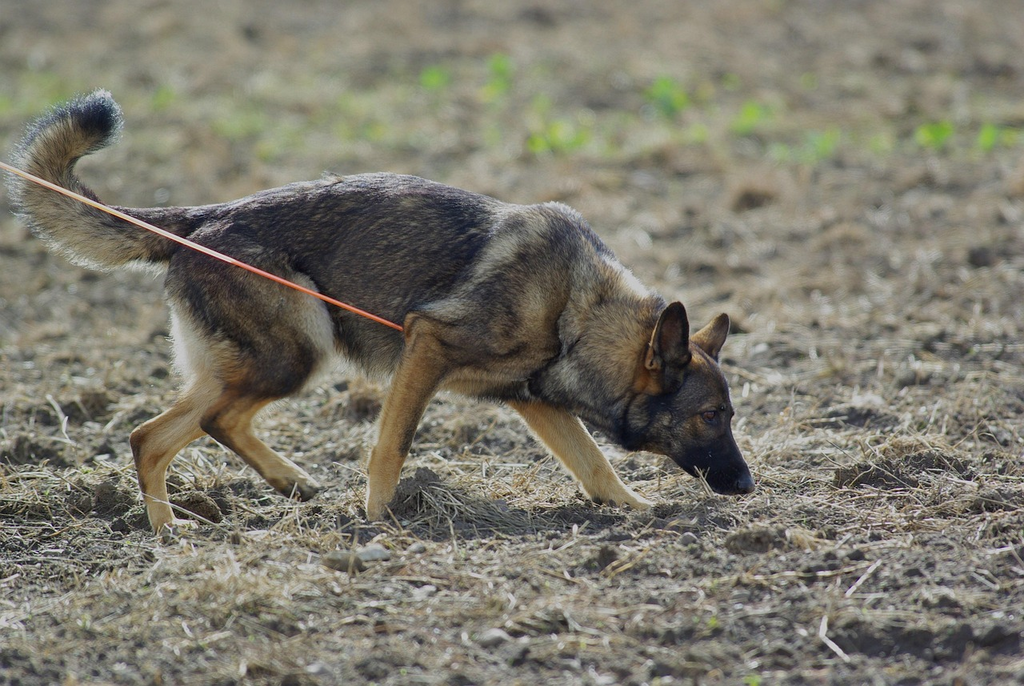
"Tracking Animals (Survival Stories)" refers to the practice of observing and following signs left by animals—such as footprints, scat, broken branches, or disturbed vegetation—to locate them in the wild. In survival situations, tracking is a crucial skill, enabling individuals to find food, avoid predators, or rescue lost companions. These survival stories often highlight resilience, keen observation, and adaptability in challenging environments, showcasing the vital role animal tracking plays in overcoming adversity.
Tracking Animals
"Tracking Animals (Survival Stories)" refers to the practice of observing and following signs left by animals—such as footprints, scat, broken branches, or disturbed vegetation—to locate them in the wild. In survival situations, tracking is a crucial skill, enabling individuals to find food, avoid predators, or rescue lost companions. These survival stories often highlight resilience, keen observation, and adaptability in challenging environments, showcasing the vital role animal tracking plays in overcoming adversity.
💡 Key Takeaways
- Identify and interpret common signs of animals (tracks, scat, fur, bedding) to determine species, age, and behavior.
- Read and analyze tracks and trackways in different habitats and conditions to estimate movement and activity patterns.
- Use basic field techniques for tracking, including measurement, mapping, documentation, and recording observations.
- Understand how weather, season, and time of day influence animal activity and sign visibility, and adjust tracking methods accordingly.
- Employ simple tools (GPS, camera traps, field notes) to monitor wildlife while minimizing disturbance and ethical impact.
❓ Frequently Asked Questions
What is animal tracking and why is it used?
Animal tracking monitors where animals go, how far they move, and their behavior over time to study ecology, migration, and conservation needs.
What is GPS tracking and why is it useful?
GPS tracking uses satellite signals to locate animals at set intervals, producing movement maps, home ranges, and migration routes to support research and conservation.
What are camera traps and how do they help?
Camera traps are motion- or heat-triggered cameras placed in habitats to capture photos or videos of animals without human presence, aiding species identification and behavior study.
What ethical considerations should be kept in mind when tracking animals?
Researchers should use the least invasive methods, obtain necessary approvals, minimize handling and stress, monitor animal welfare, and consider potential impacts on behavior and ecosystems.