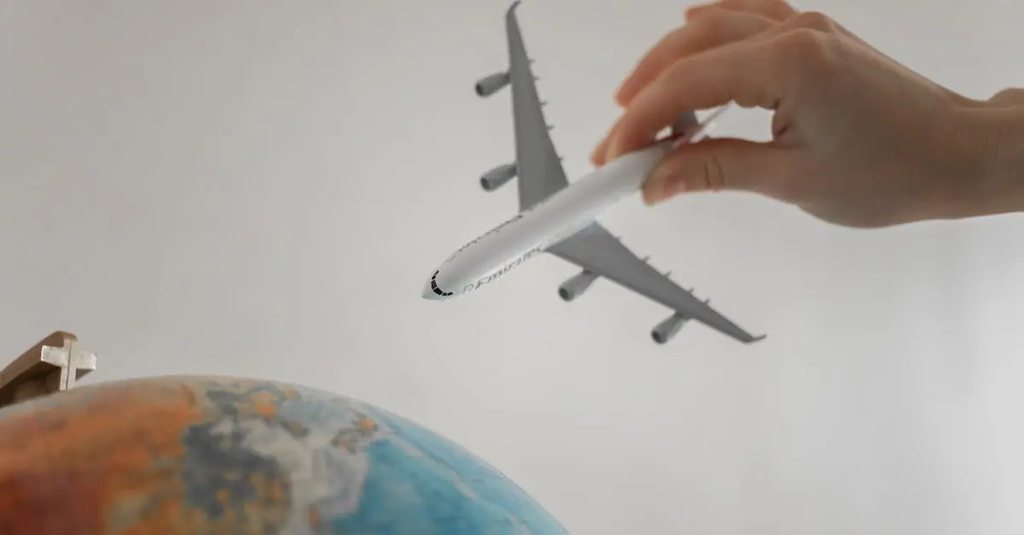
Trade, maps, and global economy basics refer to the foundational concepts of how countries exchange goods and services, the use of maps to understand geographic connections and trade routes, and the basic principles that govern economic interactions worldwide. These elements are essential for understanding how resources, products, and wealth move across borders, how geography influences economic activity, and how nations participate in the interconnected global marketplace.
Trade, Maps, and Global Economy Basics
Trade, maps, and global economy basics refer to the foundational concepts of how countries exchange goods and services, the use of maps to understand geographic connections and trade routes, and the basic principles that govern economic interactions worldwide. These elements are essential for understanding how resources, products, and wealth move across borders, how geography influences economic activity, and how nations participate in the interconnected global marketplace.
💡 Key Takeaways
- Trade basics: countries exchange goods and services to get what they need.
- Maps show where products come from and how far they travel on trade routes.
- The global economy connects people worldwide through money, production, and exchange.
- Geography matters: distance, oceans, and borders shape trade routes.
❓ Frequently Asked Questions
What is trade?
Trade is when people, companies, or countries buy and sell goods or services with each other.
What are imports and exports?
Exports are goods or services sent to other countries; imports are goods or services brought in from other countries.
How do maps help with trade and the economy?
Maps show where places are, where oceans and borders lie, and where resources and ports are, helping us understand trade routes and connections.
What is a trade route?
A trade route is the path goods take from producer to consumer, often crossing oceans or borders by ship, train, or truck.
What is the global economy?
The global economy is the worldwide system of buying, selling, and moving money between countries, so nations depend on each other for goods and services.