

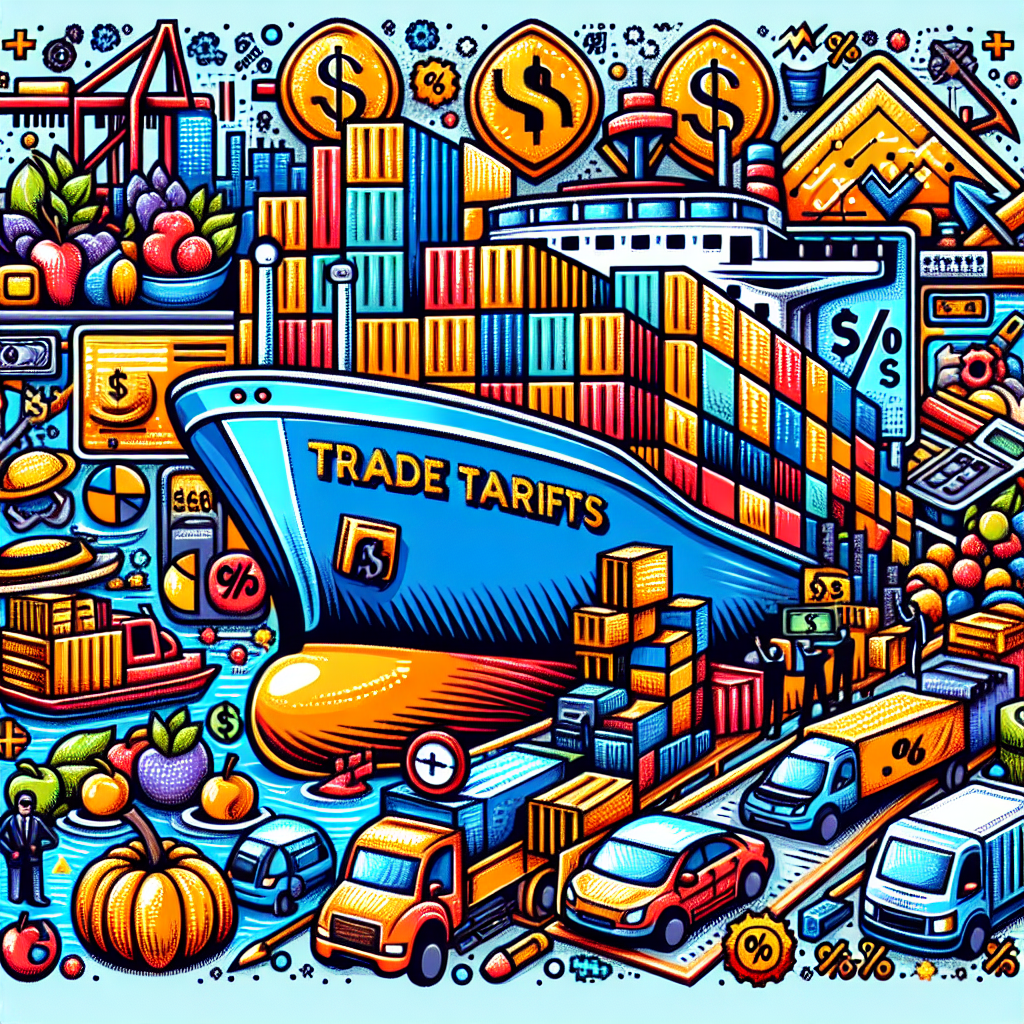
Trade tariffs are taxes imposed on imported goods by a country's government. These tariffs are meant to protect domestic industries by making foreign products more expensive for consumers. They can also be used as a tool in trade negotiations or to address trade imbalances. However, trade tariffs can also lead to retaliatory measures from other countries and ultimately harm global trade.
Trade tariffs+50
Trade tariffs are taxes imposed on imported goods by a country's government. These tariffs are meant to protect domestic industries by making foreign products more expensive for consumers. They can also be used as a tool in trade negotiations or to address trade imbalances. However, trade tariffs can also lead to retaliatory measures from other countries and ultimately harm global trade.
💡 Key Takeaways
- Understand what trade tariffs are and why governments use them as a policy tool.
- See how tariffs raise the cost of imported goods to protect domestic industries.
- Explore how tariffs can affect prices for consumers and influence international trade, including the possibility of retaliatory measures.
- Learn about the trade-offs and potential downsides of tariffs, such as higher prices, market distortions, and disrupted supply chains.
❓ Frequently Asked Questions
What is a trade tariff?
A tax imposed by a government on imported goods, used to raise revenue, protect domestic industries, or influence trade terms.
Why do governments impose tariffs?
To shield local industries and jobs from foreign competition, raise government revenue, and gain leverage in trade negotiations.
How do tariffs affect consumers and domestic producers?
Tariffs typically raise the price of imported goods, helping domestic producers but making consumers pay more and potentially reducing choices.
What are potential drawbacks of tariffs?
Higher prices for consumers, potential retaliation by trading partners, disrupted supply chains, and reduced economic efficiency.
How can tariffs be used in trade negotiations?
Tariffs can serve as leverage to obtain concessions or stabilize terms, and may be adjusted or removed as part of a deal.