

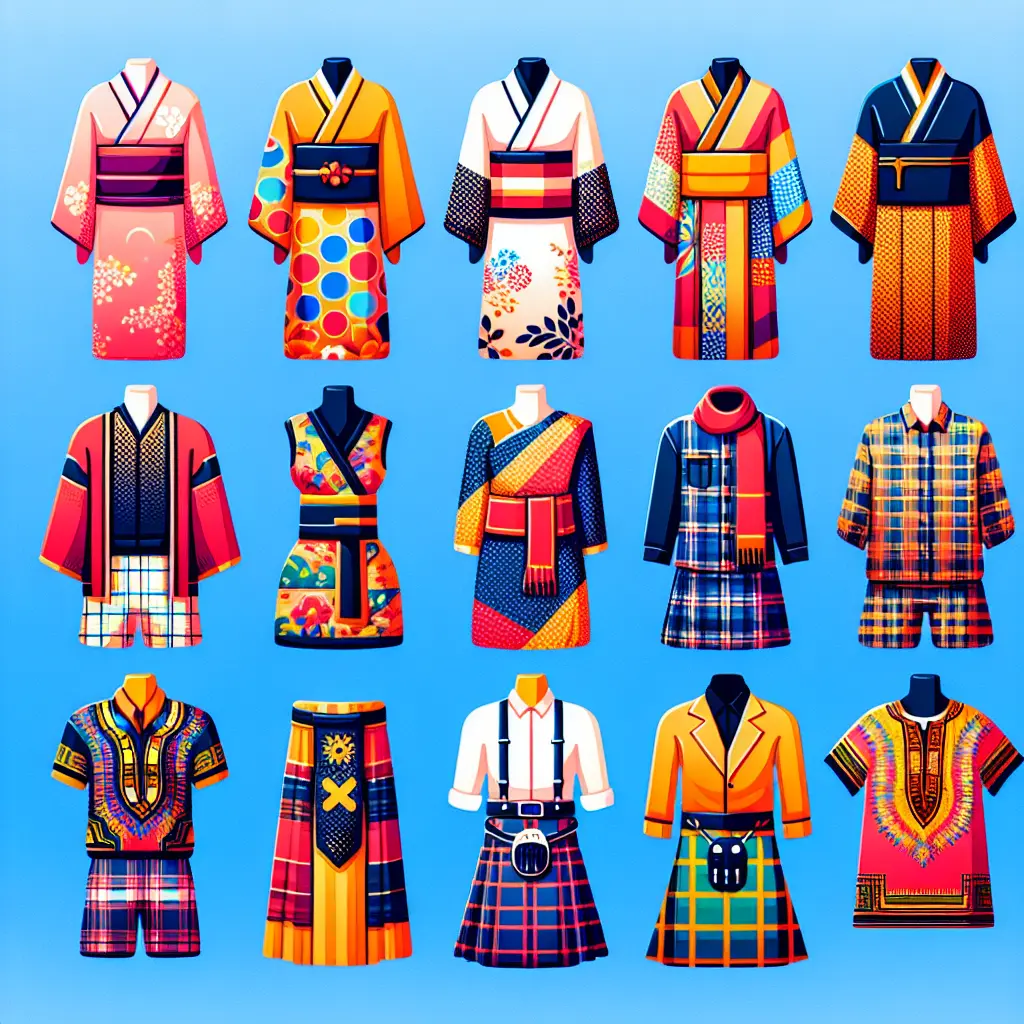
Traditional clothing refers to garments that are worn as a representation of cultural heritage and identity. These clothing items are often passed down through generations and hold significant meaning within a community. They can vary greatly in style, design, and materials used, showcasing the unique customs and traditions of a particular group of people. Traditional clothing plays a key role in preserving and celebrating cultural heritage.
Traditional clothing+35
Traditional clothing refers to garments that are worn as a representation of cultural heritage and identity. These clothing items are often passed down through generations and hold significant meaning within a community. They can vary greatly in style, design, and materials used, showcasing the unique customs and traditions of a particular group of people. Traditional clothing plays a key role in preserving and celebrating cultural heritage.
💡 Key Takeaways
- Understand how traditional clothing represents cultural heritage and community identity.
- Learn about the materials, designs, and craftsmanship used in traditional garments.
- Explore how traditional attire is passed down through generations and preserved.
- Recognize how regional styles and modern influences shape traditional clothing today.
❓ Frequently Asked Questions
What is traditional clothing?
Garments that express cultural heritage and identity, often handed down through generations and tied to a community's history and meaning.
How does traditional clothing differ from modern fashion?
Traditional clothing emphasizes heritage, symbols, and craftsmanship using local materials, while modern fashion focuses on current trends and novelty.
Why are traditional clothes passed down?
They preserve history, skills, ceremonies, and family or community identity across generations.
What factors influence the design of traditional clothing?
Climate, available materials, local crafts, rituals, and symbolic motifs tied to a region or group.
When is traditional clothing typically worn?
This varies by culture—some wear them daily, others for weddings, rites, festivals, or ceremonial events.