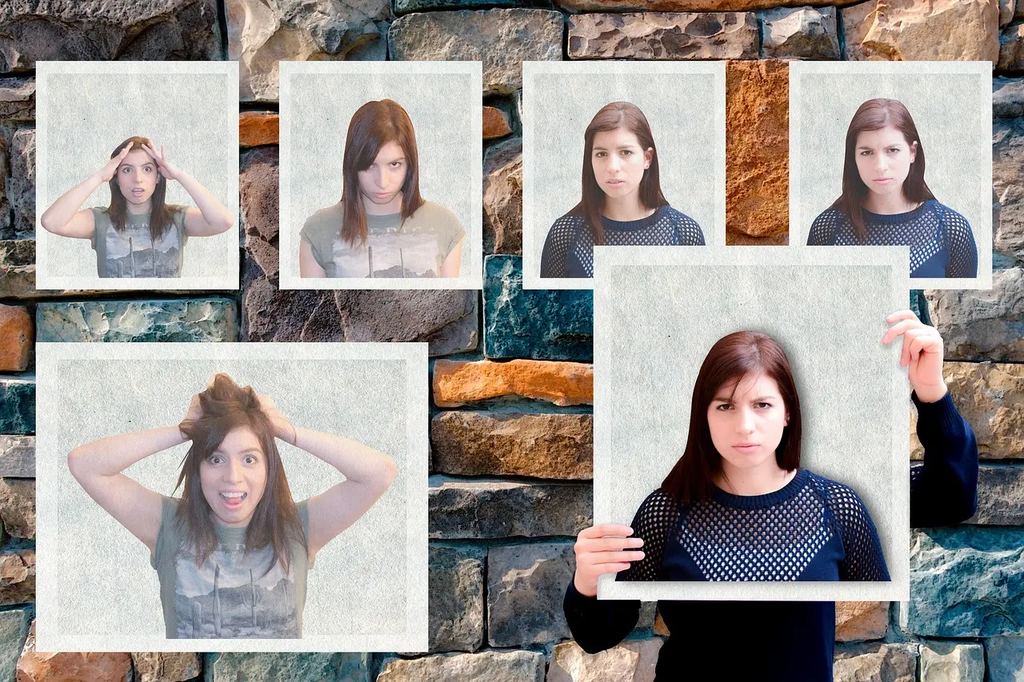
Trait vs State Personality refers to two perspectives in understanding human behavior. Traits are enduring characteristics that are consistent over time and across situations, such as introversion or conscientiousness. They represent stable aspects of personality. In contrast, states are temporary conditions influenced by specific situations or environments, such as feeling anxious before an exam. While traits define a person’s general disposition, states reflect momentary feelings or behaviors.
Trait vs State Personality
Trait vs State Personality refers to two perspectives in understanding human behavior. Traits are enduring characteristics that are consistent over time and across situations, such as introversion or conscientiousness. They represent stable aspects of personality. In contrast, states are temporary conditions influenced by specific situations or environments, such as feeling anxious before an exam. While traits define a person’s general disposition, states reflect momentary feelings or behaviors.
💡 Key Takeaways
- Distinguish between trait explanations (stable, enduring characteristics) and state explanations (temporary conditions) of behavior.
- Identify examples of traits (e.g., introversion, conscientiousness) and their cross-time, cross-situational stability.
- Understand states as temporary changes in behavior driven by mood, stress, or context.
- Learn how traits are measured (trait inventories like the Big Five) versus states (momentary self-reports or ecological momentary assessment).
- Explore how traits and states interact to shape behavior and the limitations of each perspective.
❓ Frequently Asked Questions
What is a personality trait?
A trait is a stable, enduring aspect of personality that tends to stay consistent across time and most situations (e.g., introversion or conscientiousness).
What is a personality state?
A state is a temporary pattern of thoughts, feelings, or behavior that can change from moment to moment due to mood, environment, or circumstances.
How do traits differ from states?
Traits describe long-term, stable patterns; states describe short-term, context-dependent conditions that can vary over time.
Can both trait and state influence behavior in the same situation?
Yes. A person may usually act in line with a trait, but a temporary state like stress or fatigue can alter actions at that moment.