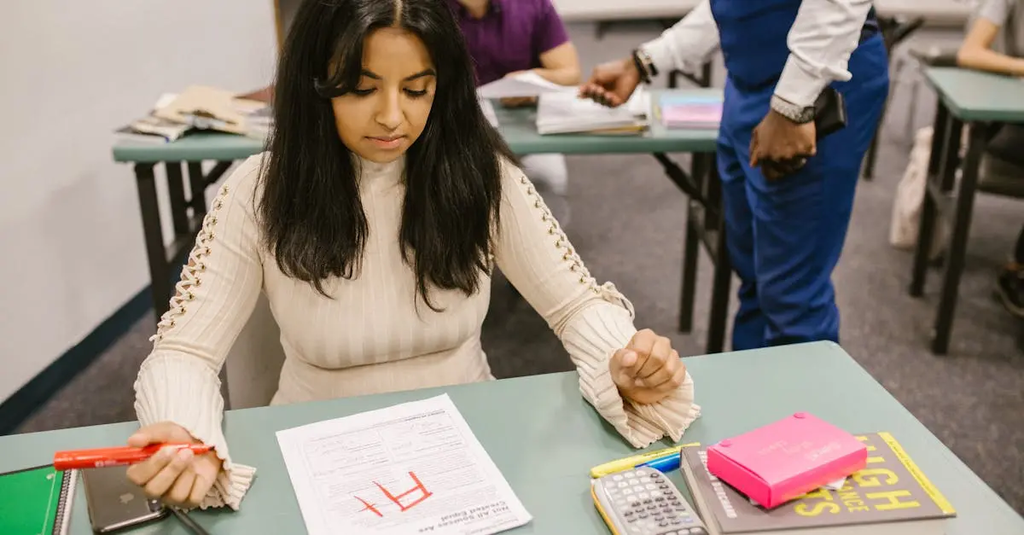
Transitioning to school routines and expectations involves children adapting to structured schedules, following classroom rules, and engaging in group activities. This process supports their social, emotional, and cognitive development by fostering independence, cooperation, and responsibility. Children learn to manage time, interact with peers and teachers, and handle new tasks, which are essential skills for academic success and overall growth during the early years of childhood.
Transition to school routines and expectations
Transitioning to school routines and expectations involves children adapting to structured schedules, following classroom rules, and engaging in group activities. This process supports their social, emotional, and cognitive development by fostering independence, cooperation, and responsibility. Children learn to manage time, interact with peers and teachers, and handle new tasks, which are essential skills for academic success and overall growth during the early years of childhood.
💡 Key Takeaways
- Understand the daily school routine (arrival, transitions, meals, breaks, dismissal).
- Recognize classroom expectations and respectful behavior.
- Learn how to prepare and organize belongings for school days.
- Know how to ask for help and communicate with teachers when needed.
❓ Frequently Asked Questions
What does a typical day look like during the transition to school routines?
A typical day includes arrival, attendance, lessons, short breaks, lunch, and dismissal. Following the timetable helps you stay organized and on time.
What are common behavior expectations for new students?
Be prepared, listen respectfully, raise your hand to speak, follow directions, complete tasks, and return materials on time.
How can I prepare the night before to ease the transition?
Pack your bag with required supplies, check your timetable, lay out clothes, set alarms, and review homework or notes.
What should I do if I don't understand something in class?
Ask questions, take notes, use teacher office hours or peer help, and review the material after class.