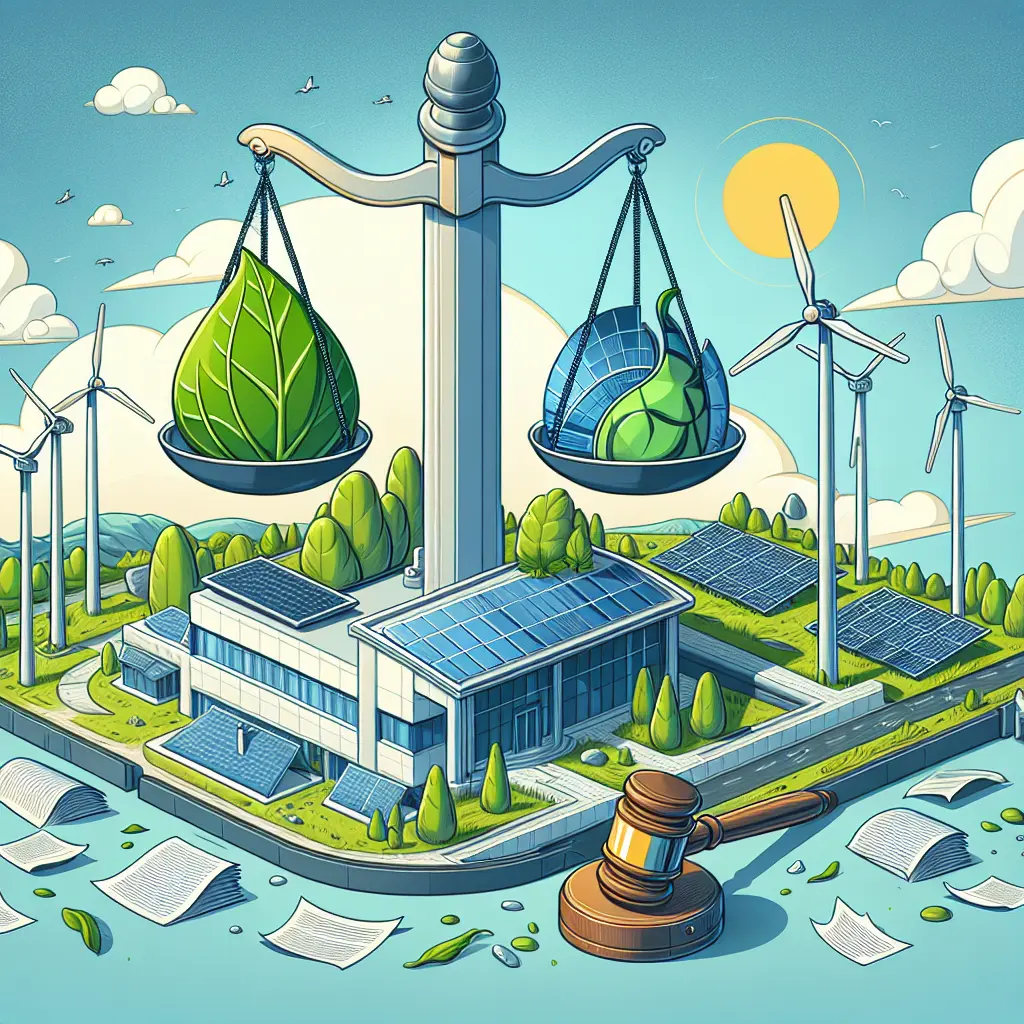
Transitional justice refers to the set of judicial and non-judicial measures implemented by countries to redress legacies of massive human rights abuses, often after conflict or authoritarian rule. Post-conflict reconstruction involves rebuilding a nation’s institutions, infrastructure, and social fabric after conflict ends. Together, they aim to promote accountability, reconciliation, and lasting peace by addressing past injustices, supporting victims, and creating conditions for sustainable development and democratic governance.
Transitional Justice & Post-Conflict Reconstruction
Transitional justice refers to the set of judicial and non-judicial measures implemented by countries to redress legacies of massive human rights abuses, often after conflict or authoritarian rule. Post-conflict reconstruction involves rebuilding a nation’s institutions, infrastructure, and social fabric after conflict ends. Together, they aim to promote accountability, reconciliation, and lasting peace by addressing past injustices, supporting victims, and creating conditions for sustainable development and democratic governance.
💡 Key Takeaways
- Define transitional justice and its objectives after conflict or authoritarian rule.
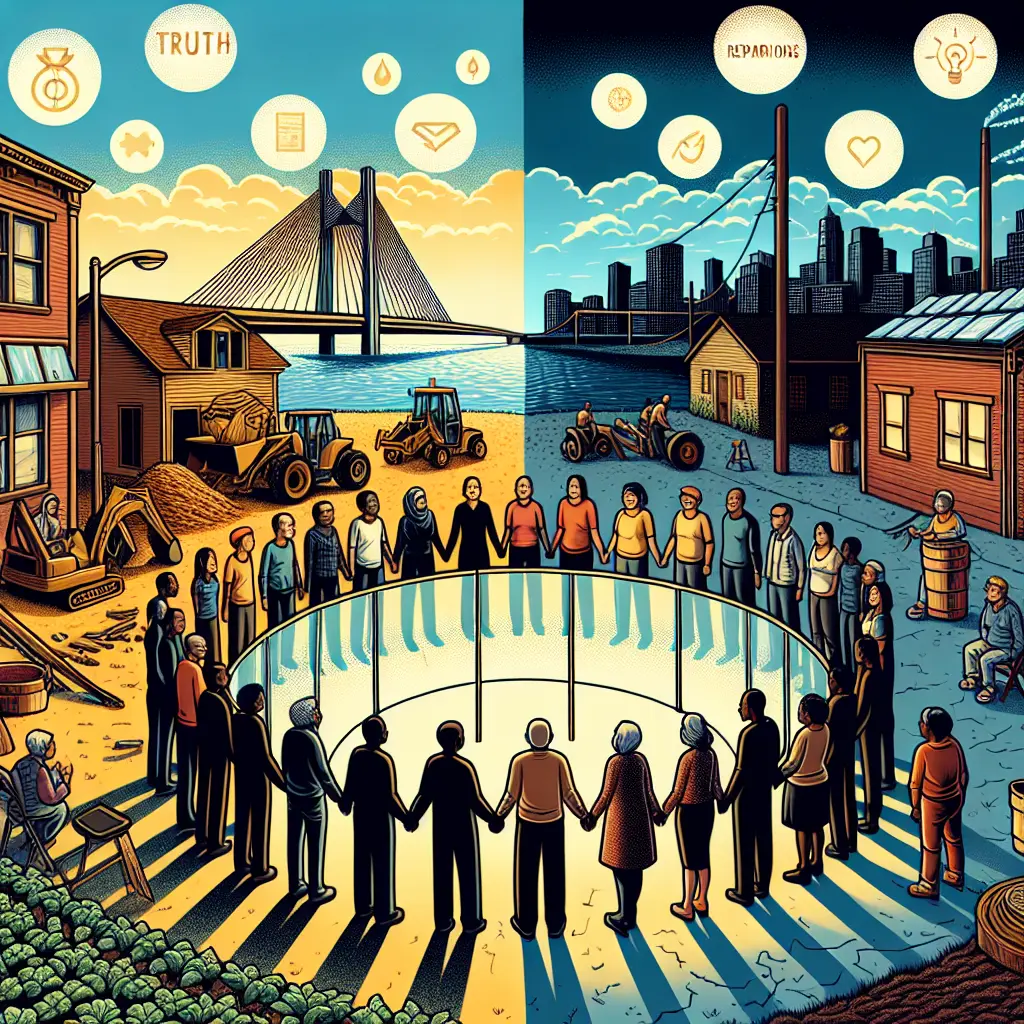
- Identify core mechanisms: prosecutions, truth-seeking, reparations, and institutional reforms to prevent recurrence.
- Explain how post-conflict reconstruction rebuilds institutions, infrastructure, and governance to sustain peace and justice.
- Discuss common challenges and the role of national and international actors in implementing justice and reconstruction.
❓ Frequently Asked Questions
What is transitional justice?
A set of judicial and non-judicial measures used after conflict or authoritarian rule to address legacies of massive human rights abuses, aiming for accountability, truth, reparations, and guarantees of non-recurrence.
What are the main components of transitional justice?
Prosecutions and accountability for perpetrators; truth-seeking through commissions; reparations to victims; and reforms to prevent recurrence, such as vetting and security-sector reform.
What is post-conflict reconstruction?
The process of rebuilding a country’s institutions, infrastructure, and social fabric to restore governance, public services, and economic stability after conflict.
How are transitional justice and post-conflict reconstruction connected?
Transitional justice addresses past abuses to build trust and legitimacy, while reconstruction rebuilds governance and infrastructure; together they support durable peace.