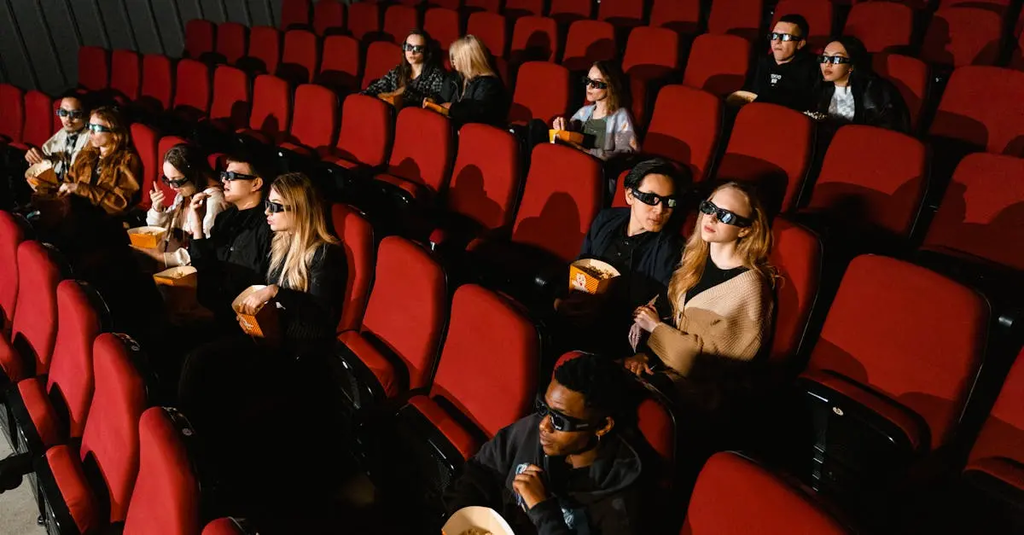
Transmedia Storyworlds & Expanded Cinema refer to storytelling approaches that transcend traditional media boundaries. Transmedia storyworlds involve narratives unfolding across multiple platforms—films, comics, games, and more—each contributing uniquely to a cohesive universe. Expanded cinema broadens the cinematic experience beyond the movie screen, integrating interactive, immersive, or multimedia elements. Together, they create richer, more engaging narratives, inviting audiences to explore stories from diverse perspectives and formats.
Transmedia Storyworlds & Expanded Cinema
Transmedia Storyworlds & Expanded Cinema refer to storytelling approaches that transcend traditional media boundaries. Transmedia storyworlds involve narratives unfolding across multiple platforms—films, comics, games, and more—each contributing uniquely to a cohesive universe. Expanded cinema broadens the cinematic experience beyond the movie screen, integrating interactive, immersive, or multimedia elements. Together, they create richer, more engaging narratives, inviting audiences to explore stories from diverse perspectives and formats.

💡 Key Takeaways
- Define transmedia storyworlds and expanded cinema as storytelling beyond a single medium.
- Describe how narratives unfold across films, comics, games, and more to build a cohesive universe.
- Explain how expanded cinema uses nontraditional formats and installations to broaden the storytelling experience.
- Identify design principles for creating interconnected, multi-platform narratives with consistent worldbuilding and audience participation.
❓ Frequently Asked Questions
What is transmedia storytelling?
A narrative approach where a single story world unfolds across multiple platforms (films, comics, games, websites), with each medium offering unique pieces that together form a cohesive universe.
How do different platforms contribute to a transmedia storyworld?
Each platform adds different content—films present the central plot, comics expand backstory, games offer interactive experiences, and online content reveals details—creating a fuller, connected world.
What is expanded cinema?
A concept that broadens cinema beyond the traditional screen, incorporating installations, live performances, video art, sound, and audience participation to expand how stories are experienced.
Why are transmedia storyworlds useful for audiences?
They deepen immersion, allow exploring diverse narrative angles, encourage cross-platform engagement, and build a larger, interconnected universe.