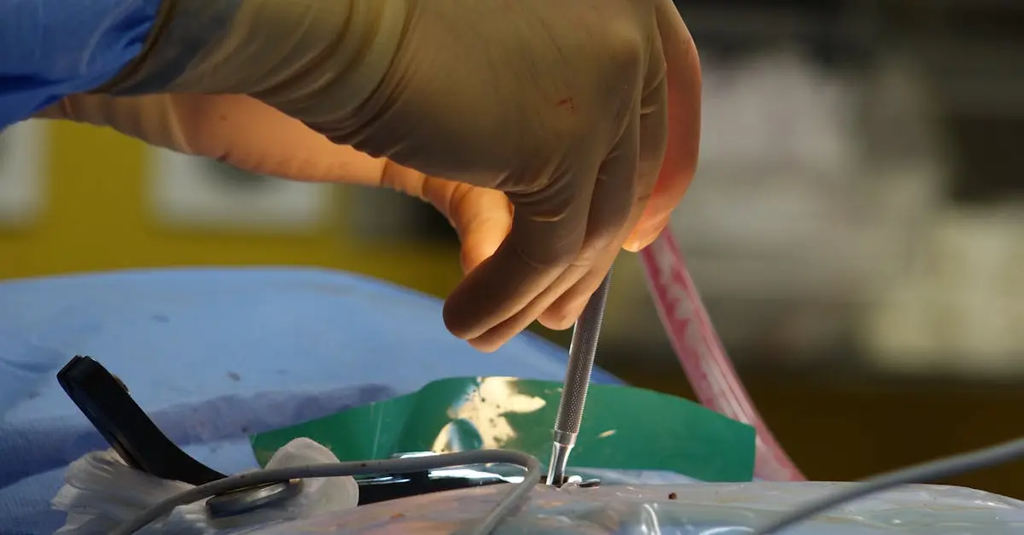
Transplant surgery principles refer to the fundamental guidelines and practices that ensure successful organ or tissue transplantation. These include careful donor and recipient selection, thorough compatibility testing, meticulous surgical techniques, and effective immunosuppression to prevent rejection. Ethical considerations, infection prevention, and long-term patient monitoring are also essential. The goal is to maximize graft survival, minimize complications, and improve the recipient’s quality of life while maintaining safety and ethical standards throughout the process.
Transplant Surgery Principles
Transplant surgery principles refer to the fundamental guidelines and practices that ensure successful organ or tissue transplantation. These include careful donor and recipient selection, thorough compatibility testing, meticulous surgical techniques, and effective immunosuppression to prevent rejection. Ethical considerations, infection prevention, and long-term patient monitoring are also essential. The goal is to maximize graft survival, minimize complications, and improve the recipient’s quality of life while maintaining safety and ethical standards throughout the process.
💡 Key Takeaways
- Explain how donor and recipient selection affects transplant outcomes.
- Describe how compatibility testing (ABO typing, HLA matching, crossmatching) reduces rejection risk.
- Outline the main steps of transplant surgery to minimize graft injury and complications.
- Discuss immunosuppression strategies (induction and maintenance) and their impact on graft survival and side effects.
- Identify postoperative care and surveillance needs to monitor graft function and detect rejection early.
❓ Frequently Asked Questions
What factors are considered in donor and recipient selection for transplantation?
Donor-recipient selection weighs compatibility (blood type and HLA), organ size, urgency and overall health, and contraindications; psychosocial readiness may also be evaluated.
What is compatibility testing in transplantation and why is it important?
Compatibility testing includes blood type matching, HLA typing, and antibody screening (crossmatching) to reduce rejection risk and ensure the organ will function in the recipient.
How does immunosuppression help after a transplant?
Immunosuppressive therapy prevents rejection by dampening the immune response to the transplanted organ, used both around transplantation (induction) and long-term (maintenance), while balancing infection and drug side effects.
What are core surgical principles in transplant procedures?
Key principles include rapid organ preservation, precise connections of blood vessels and ducts, minimizing ischemia time, and strict sterile technique.