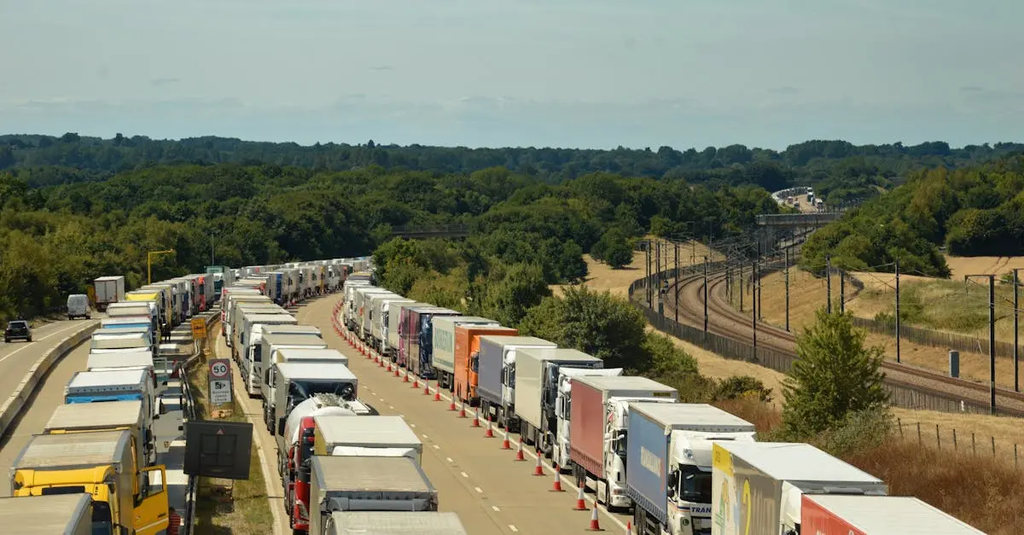
Transport infrastructure planning involves the strategic development and organization of systems like railways, roads, and major projects such as HS2 (High Speed 2). It encompasses assessing current and future transport needs, optimizing connectivity, and ensuring efficient movement of people and goods. Planners consider factors like environmental impact, cost, technology, and urban growth to design networks that support economic development and sustainability, while addressing public demand and minimizing disruption.
Transport infrastructure planning (rail, road, HS2)
Transport infrastructure planning involves the strategic development and organization of systems like railways, roads, and major projects such as HS2 (High Speed 2). It encompasses assessing current and future transport needs, optimizing connectivity, and ensuring efficient movement of people and goods. Planners consider factors like environmental impact, cost, technology, and urban growth to design networks that support economic development and sustainability, while addressing public demand and minimizing disruption.

💡 Key Takeaways
- Understand what transport infrastructure planning involves across rail, road, and major projects like HS2, and how it aims to improve movement of people and goods.
- Learn how planners assess current and future transport needs to set priorities and guide investment.
- Explore the HS2 project: its goals, potential benefits and criticisms, and its role in UK transport strategy.
- Identify key planning considerations such as funding, environmental impact, capacity, reliability, and integration with existing networks.
❓ Frequently Asked Questions
What is transport infrastructure planning?
The process of assessing current and future transport needs and designing and sequencing rail, road, and related projects to improve movement, connectivity, and economic efficiency.
What is HS2?
A planned high-speed rail project in the UK intended to speed up long-distance travel, increase network capacity, and drive regional growth, with debate over cost and benefits.
How do rail and road planning differ in approach?
Rail planning tends to prioritise long-distance capacity and timetable efficiency, while road planning often focuses on local congestion relief, safety, maintenance, and accessibility.
What factors are considered when prioritising transport projects?
Demand forecasts, cost–benefit analysis, environmental impact and carbon goals, delivery times, funding sources, and regional equity of access.
What are common criticisms of major projects like HS2?
High costs, uncertain benefits, potential disruption during construction, environmental concerns, and debates about value for money and regional balance.