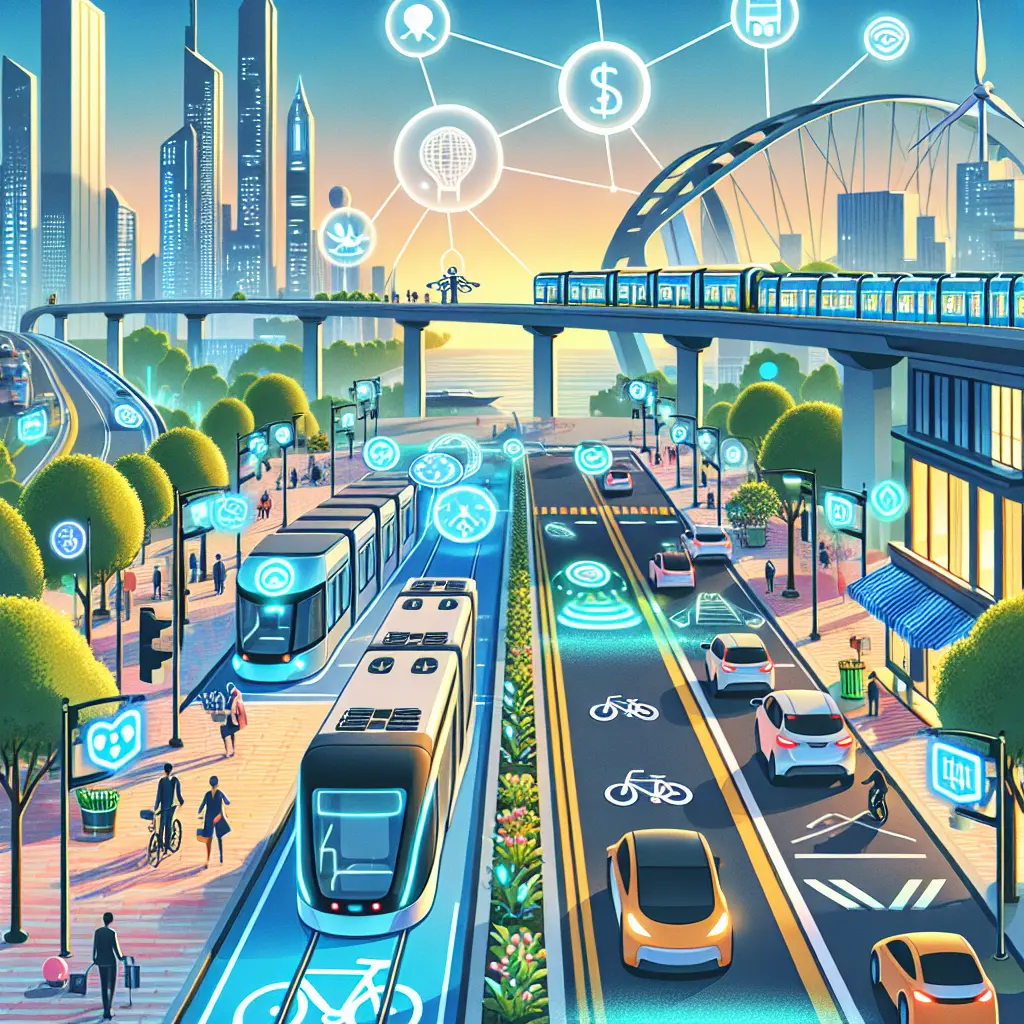
Transportation & Infrastructure Policy refers to the strategic planning, development, regulation, and management of systems that facilitate the movement of people and goods, such as roads, railways, airports, and public transit. It encompasses decisions on funding, safety standards, environmental impact, and technological integration to ensure efficient, sustainable, and equitable transportation networks. Effective policies support economic growth, improve connectivity, and enhance quality of life by maintaining and upgrading essential infrastructure.
Transportation & Infrastructure Policy
Transportation & Infrastructure Policy refers to the strategic planning, development, regulation, and management of systems that facilitate the movement of people and goods, such as roads, railways, airports, and public transit. It encompasses decisions on funding, safety standards, environmental impact, and technological integration to ensure efficient, sustainable, and equitable transportation networks. Effective policies support economic growth, improve connectivity, and enhance quality of life by maintaining and upgrading essential infrastructure.
💡 Key Takeaways
- Understand the roles of federal, state, and local agencies in transportation policy, including planning, regulation, and oversight.
- Learn how funding mechanisms—budgets, bonds, user fees, and public-private partnerships—finance transportation infrastructure.
- Explore how safety standards, environmental considerations, and sustainability shape the design and operation of roads, rail, airports, and transit.
- Recognize how multi-modal planning, resilience, and equity influence infrastructure investment and policy decisions.
❓ Frequently Asked Questions
What is transportation and infrastructure policy?
The government framework for planning, funding, regulating, and managing networks that move people and goods—such as roads, rail, airports, and transit—to promote safety, efficiency, and resilience.
What are the main components involved in this policy area?
Physical networks (roads, rails, airports, ports, transit) plus governance aspects like funding, safety standards, environmental rules, land use, investment planning, and asset maintenance.
How is transportation infrastructure funded?
Through a mix of federal, state, and local funds, user fees (tolls, fuel taxes), grants, and sometimes public-private partnerships; funding decisions weigh costs, benefits, and priorities.
Why are safety and environmental standards important in policy?
They set rules to protect people and the environment, require compliance, influence design and operation, and guide investments toward safer, cleaner transportation systems.
How do policymakers decide which projects to pursue?
By using planning processes, performance metrics, cost-benefit analyses, stakeholder input, and aligning with goals like mobility, safety, equity, and emissions reductions.