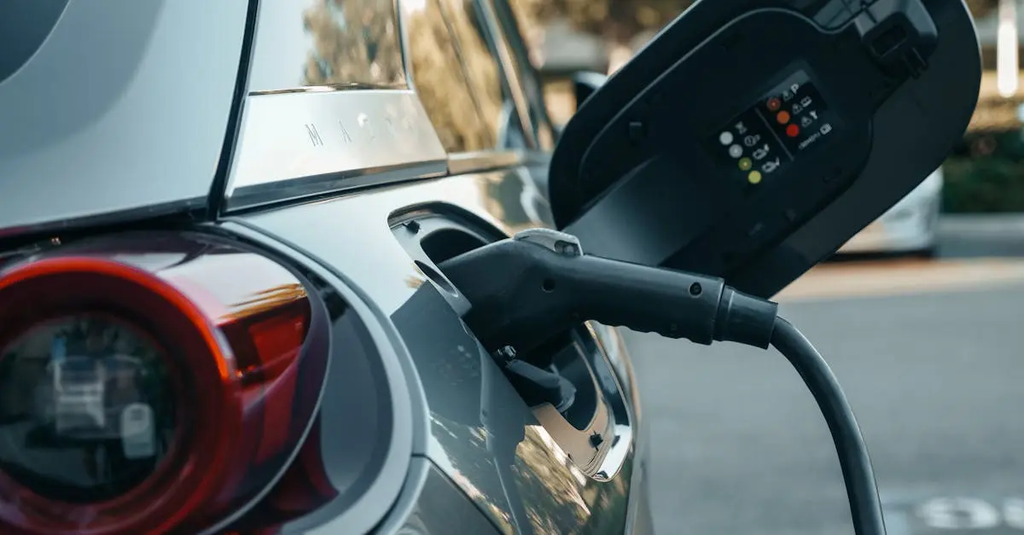
Transportation innovations have dramatically transformed society, beginning with the advent of railroads in the 19th century, which revolutionized long-distance travel and commerce. Over time, advancements such as automobiles, airplanes, and subways further enhanced mobility and connectivity. In recent years, the emergence of electric vehicles (EVs) represents a significant shift towards sustainable, eco-friendly transportation, reflecting ongoing efforts to reduce emissions and modernize how people and goods move globally.
Transportation Innovations from Railroads to EVs
Transportation innovations have dramatically transformed society, beginning with the advent of railroads in the 19th century, which revolutionized long-distance travel and commerce. Over time, advancements such as automobiles, airplanes, and subways further enhanced mobility and connectivity. In recent years, the emergence of electric vehicles (EVs) represents a significant shift towards sustainable, eco-friendly transportation, reflecting ongoing efforts to reduce emissions and modernize how people and goods move globally.
💡 Key Takeaways
- Trace how railroads, cars, airplanes, subways, and EVs transformed mobility and commerce.
- Compare the key drivers of each leap—propulsion, infrastructure, and policy—and how they unlocked new possibilities.
- Explain how transportation innovations shaped urban development, travel behavior, and economic growth.
- Assess current and future trends in sustainable mobility, including electrification, automation, and multimodal networks.
❓ Frequently Asked Questions
What made railroads a turning point in 19th-century transportation?
Railroads connected distant regions, enabling faster travel and efficient movement of large goods, which spurred commerce and national integration.
How did automobiles change mobility compared to rail transport?
Automobiles provided door-to-door travel and flexible routing, expanding personal mobility and driving the growth of road networks, while rails handled long-haul travel and bulk freight.
What impact did airplanes have on global connectivity?
Airplanes drastically cut travel time over long distances, enabling rapid business, tourism, and the exchange of ideas and goods worldwide.
What role do subways play in urban transportation?
Subways offer fast, high-capacity transit within cities, reducing street congestion and enabling dense urban growth.
Why are electric vehicles (EVs) important in modern transportation?
EVs use electric propulsion and advanced batteries to cut emissions, improve efficiency, and work with cleaner energy sources and charging infrastructure.