Travel safety and planning regarding health and vaccines involves researching potential health risks at your destination, ensuring routine vaccinations are up to date, and obtaining any required or recommended immunizations specific to the region. It also includes packing necessary medications, understanding local healthcare facilities, and following guidelines to prevent illness or injury. Proper preparation helps travelers stay healthy, avoid travel disruptions, and respond effectively to medical emergencies while abroad.
Travel Safety & Planning: Health & Vaccines
Travel safety and planning regarding health and vaccines involves researching potential health risks at your destination, ensuring routine vaccinations are up to date, and obtaining any required or recommended immunizations specific to the region. It also includes packing necessary medications, understanding local healthcare facilities, and following guidelines to prevent illness or injury. Proper preparation helps travelers stay healthy, avoid travel disruptions, and respond effectively to medical emergencies while abroad.
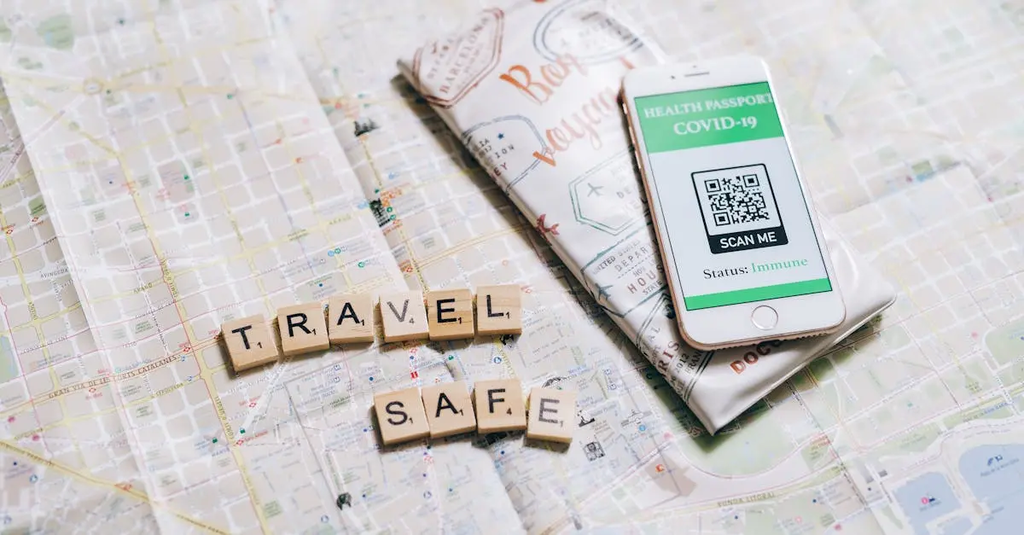
💡 Key Takeaways
- Identify destination-specific health risks and how to research them from reliable sources (e.g., CDC/WHO) before you travel.
- Ensure routine vaccines are up to date and learn which region-specific immunizations may be recommended or required.
- Pack a compact travel medical kit with essential medications, prescriptions, and basic first-aid supplies.
- Plan for healthcare abroad, including how to obtain vaccines and prescriptions and what to do in a medical emergency.
❓ Frequently Asked Questions
What vaccines should I check before traveling?
Review routine vaccines (MMR, DTaP, polio, varicella, influenza, and COVID-19 as advised) and look up destination-specific vaccines (e.g., hepatitis A/B, typhoid, yellow fever, meningitis). Bring vaccination records and consult a travel clinic for personalized guidance.
How far in advance should I schedule vaccines and visits to a travel clinic?
Ideally at least 4–6 weeks before departure, since some vaccines require multiple doses or take time to become protective. If time is short, a travel clinic can still help with urgent vaccination and advice.
What is the difference between required vs. recommended vaccines?
Required vaccines are mandated by some countries for entry (proof may be requested). Recommended vaccines are advised based on destination risk but are not necessarily required for entry.
What should I pack in a travel health kit?
Prescription meds with labels, pain/fever relievers, anti‑diarrheal, electrolyte powders, basic first‑aid items, insect repellent, sunscreen, a thermometer, hand sanitizer, copies of vaccination records, and any destination‑specific items (e.g., malaria prophylaxis).
How can I assess health risks at my destination and stay safe?
Check official sources (CDC/WHO and government advisories) for health risks and vaccination requirements, research water/food safety and climate, know local healthcare options, and consider travel health insurance with medical coverage.